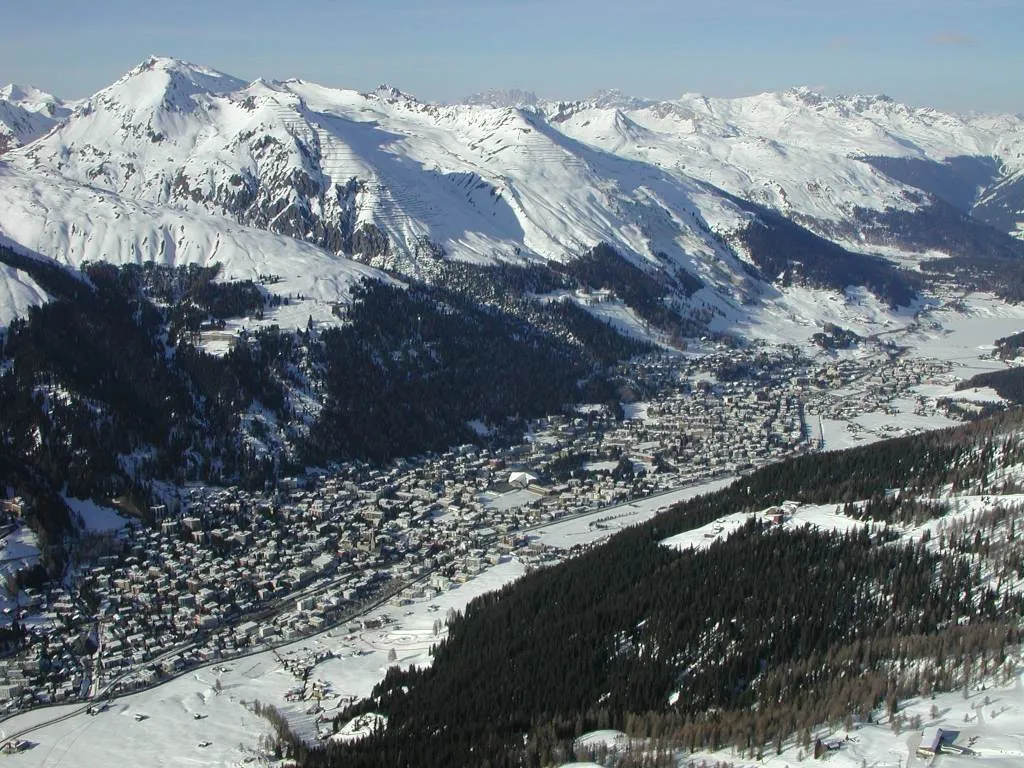
Europe has thousands of tourist attractions. The Eiffel Tower, the Colosseum, the Sagrada Família, these are not secrets. These ten are the ones your guidebook missed. Each one is worth the detour.
In This Article
- 1. The Bone Church, Kutná Hora, Czech Republic
- 3. The Gnome Reserve, Devon, UK
- 4. The Abandoned Village of Craco, Italy
- 5. The Museum of Broken Relationships, Zagreb, Croatia
- 6. The Wieliczka Salt Mine Chapel, Poland
- 7. The Abandoned Submarine Base, Saint-Nazaire, France
- 8. The Lost Gardens of Heligan, Cornwall, UK
- 9. The Catacombs of Paris
- 10. The Dwarf Village, Wrocław, Poland
1. The Bone Church, Kutná Hora, Czech Republic
The Sedlec Ossuary, a small chapel beneath the Cemetery Church of All Saints, contains the bones of between 40,000 and 70,000 people artistically arranged into chandeliers, pyramids, and a coat of arms by woodcarver František Rint in 1870. The ossuary is in Kutná Hora, 70 km east of Prague. Entry costs approximately €4, and the site draws visitors fascinated by the macabre medieval tradition of displaying skeletal remains as a reminder of mortality.
A house built entirely upside down in the village of Szymbark in northern Poland, with furniture bolted to the ceiling and doors that open downwards, creating a disorienting experience that induces vertigo. The house was constructed as a symbolic statement about the upside-down nature of life under the communist regime. The entry fee is around €5, and the attraction is part of a larger complex worth a half-day visit from Gdańsk. A four-acre woodland in rural Devon housing over 1,000 garden gnomes, along with a wildfowl collection, a museum of gnome history, and a picnic area. The reserve has been running since 1979. Every visitor is loaned a gnome hat to wear. Entry costs £6 for adults, and the eccentric charm has made it a beloved destination for families. A medieval village in Basilicata, abandoned in 1963 after a series of landslides. The stone houses and narrow streets still stand, frozen in time. Craco has appeared in several films including The Passion of the Christ. Guided tours cost approximately €10, and the views across the eroded clay hills are as haunting as the abandoned streets themselves. Dedicated to failed relationships, this unique museum in Zagreb displays objects donated by the public, each accompanied by a personal story. The exhibits range from a toaster to a wedding dress, all transformed into artifacts by the narratives surrounding them. The museum won the Kenneth Hudson Award for the most innovative museum in Europe. Entry costs approximately €7. The Chapel of St. Kinga, 135 metres underground in the Wieliczka Salt Mine near Kraków, is a subterranean wonder where everything from the chandeliers to the altar is carved from salt. The mine has produced salt since the 13th century, and the chapel was carved by miners over decades. The standard tour takes two hours. Entry costs approximately €25. A Nazi U-boat base built in 1942 on the Atlantic coast of France, with a roof nine metres thick. Today, the submarine pens have been repurposed as an art installation and cultural centre. The rooftop is accessible free of charge. The site stands as a striking example of brutalist industrial architecture, provoking reflection on war, memory, and cultural renewal. A Victorian estate garden in Cornwall rediscovered in 1990, having been completely overgrown for decades. The restoration uncovered a pineapple pit, melon yard, and Italian garden. The Mud Maid, a sculpture of a sleeping woman created from clay and moss, has become the symbol of Heligan’s romantic rediscovery. Entry costs approximately £16.50. The remains of six million Parisians line the walls of tunnels beneath the city. The ossuary was created in the late 18th century when overflowing cemeteries were emptied into abandoned limestone quarries. Book online weeks ahead as queues are long. Entry costs approximately €29. Not recommended for the claustrophobic. Over 400 bronze dwarf statues scattered across Wrocław. The first appeared in 2005 as a tribute to the Orange Alternative, an anti-communist movement that used dwarfs as a symbol of peaceful resistance. The hunt to find them all is a free, self-guided treasure hunt through the historic city. Dwarf maps are available from the tourist office. What is the strangest attraction you have ever visited, the one that made you pull over the car and say \”what is that?\” Explore all our Europe travel guides, discover the best of the continent. If you enjoyed this article, you might also like:3. The Gnome Reserve, Devon, UK
4. The Abandoned Village of Craco, Italy
5. The Museum of Broken Relationships, Zagreb, Croatia
6. The Wieliczka Salt Mine Chapel, Poland
7. The Abandoned Submarine Base, Saint-Nazaire, France
8. The Lost Gardens of Heligan, Cornwall, UK
9. The Catacombs of Paris
10. The Dwarf Village, Wrocław, Poland
Explore More
