The shutters on the gîte, heavy, wooden, painted a shade of blue that has faded to exactly the right colour over four decades of Provençal sun, close with a satisfying thunk that says: the heat is outside, the cool is inside, and nothing is happening until at least 5pm. The French summer holiday is built around the shutters. The rhythm of the day, market in the morning while the air is still fresh, lunch that stretches from 12.30pm to 2.30pm, the sacred hours of 2pm to 5pm when the countryside falls silent, the evening apéro that stretches from 6pm until someone decides to cook, is not laziness. It is strategic. The French understand heat. They have been dealing with it for millennia. They close the shutters and wait.
France: The Art of Doing Nothing, Deliberately
The French holiday is not about attractions. It is about place, the particularity of a village, a market, a stretch of river, a restaurant that has been in the same family since 1923 and serves exactly six dishes. The British approach the French holiday as a checklist (châteaux, museums, the beach, the restaurant with the Michelin star); the French approach it as a rhythm. Learn the rhythm. The checklist can wait.
The Geography of French Holidays
The Dordogne (Dordogne Valley, southwest France): The river winds through limestone cliffs, past castles that cling to the rock (Beynac, Castelnaud, the fortress of Commarque), past villages classified among the Plus Beaux Villages de France (La Roque-Gageac, built into the cliff face; Domme, a bastide town with a view of the valley that makes you put down your coffee). The canoe is the essential Dordogne transport, rent a kayak in Vitrac or La Roque-Gageac (€18-25 for a half-day) and paddle the stretch to Beynac, passing under the cliff castles, drifting past the riverside châteaux, stopping on a gravel bank for a picnic of bread, cheese, and the peach you bought from the market that morning. The river is shallow (rarely deeper than 2 metres in summer), the current is gentle, and the experience, floating through a landscape that has been fortified since the Hundred Years’ War, is the Dordogne at its best.
Provence (the Luberon, Vaucluse): The hilltop villages, Gordes, Roussillon (the ochre cliffs, the buildings painted in shades of red and orange from the local pigment, the Sentier des Ocres a walking trail through the old quarries that looks like a landscape from another planet), Ménerbes (where Peter Mayle wrote A Year in Provence, and the village has never quite forgiven him), are best visited in the early morning or late afternoon, when the tour buses have moved on. The market in Apt (Saturday mornings, the largest in the Luberon, held since the 12th century) is a sensory assault: lavender, olives, cheeses sweating in the heat, the melons de Cavaillon that taste the way melons are supposed to taste, the honey vendors who will let you sample six varieties before you buy. Rent a house with a pool. The pool is not a luxury. It is survival equipment. The daily rhythm, market, lunch, pool, apéro, dinner, is the Provençal holiday distilled to its essentials.
Brittany (Côtes-d’Armor, Finistère): The Celtic coast, wilder, greener, the weather more temperamental, the crêpes made from buckwheat (sarrasin) rather than wheat flour, the cider served in ceramic bowls, is France with a different accent. The Pink Granite Coast (Côte de Granit Rose, between Trébeurden and Perros-Guirec) is a geological oddity: massive boulders of rose-coloured granite, sculpted by wind and sea into shapes that look deliberate but are entirely natural. The Sentier des Douaniers (the customs officers’ path, a coastal trail that circles the entire Breton peninsula, 2,000 km total) offers clifftop walking with the Atlantic hammering the rocks below. The tides here are among the highest in Europe, 13 metres between low and high water at Saint-Malo, the sea retreating to reveal a lunar landscape of rock pools and the advancing back at walking speed. Check the tide tables. Walk out to the Île de Bréhat at low tide. Do not be on the causeway when the water returns.
The Atlantic Coast (Île de Ré, Vendée): The Île de Ré, connected to La Rochelle by a 3 km bridge (toll €8 in summer), is the French holiday island par excellence: whitewashed villages with green shutters, the salt marshes where the fleur de sel (the delicate surface crystals, hand-harvested by sauniers using traditional methods) is produced, the oyster beds in the clear, shallow water of the Pertuis Breton. The bicycle is the essential transport, 110 km of cycle paths crisscross the island, flat, shaded by pine trees, and connecting the ten villages. The market in La Flotte (daily in summer) is a morning ritual; the oysters at the port in Ars-en-Ré (€8 for a dozen, opened in front of you, eaten standing at a barrel with a glass of Muscadet) are the midday ritual. The lighthouse at the western tip, Phare des Baleines, 57 metres, built 1854, offers a view of the island that explains the geography and the appeal: flat, green, surrounded by the glittering Atlantic.
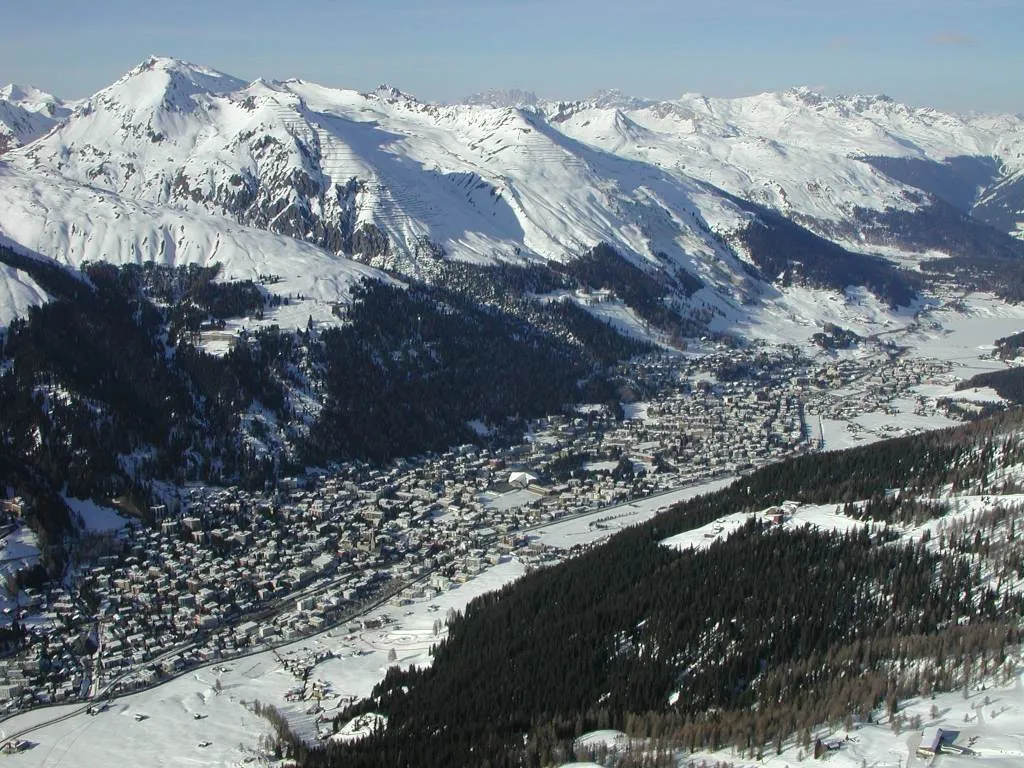
The Alps in Summer (Haute-Savoie): The ski resorts empty from May to November, and the mountains, the same peaks, the same lifts, the same restaurants, become a summer playground at a fraction of the winter cost. Chamonix in July and August: the hiking trails are open, the Montenvers train (built 1909, climbing to the Mer de Glace glacier at 1,913 metres) runs daily, and the mountain restaurants that charge €35 for a tartiflette in February serve the same dish for €18 with a terrace view that is, if anything, better, the mountains green rather than white, the air warm, the valley floor a patchwork of pastures and villages. The Tour du Mont Blanc (170 km, 11 days) is the classic alpine trek; day hikes from the valley (Lac Blanc, 2,352 m, the reflection of Mont Blanc in the lake on a still morning is the photograph that will define your holiday) are achievable with a moderate level of fitness. The cable cars and lifts that are open in summer are listed on the Chamonix website; the Summer Multipass (€25/day, unlimited lift access including the Aiguille du Midi) is exceptionally good value.
The Top 10 European Ski Resorts
Europe remains a key continent for ski enthusiasts, with a proliferation of resorts. It’s fair to say that new resorts are being opened at regular intervals, although the quality of those destinations can vary somewhat. I enjoy a variety of winter sports and have been fortunate enough to visit a number of leading resorts. Here […]
