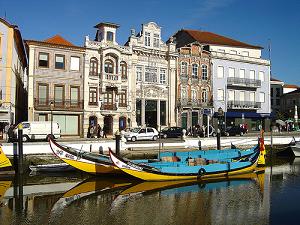
Aveiro is known as the Venice of Portugal, a charming city on the country’s central coast, south of Porto, whose network of picturesque canals, colourful moliceiro boats (traditional flat-bottomed vessels once used for harvesting seaweed, now converted to gondola-like tourist boats), and elegant Art Nouveau architecture make it one of the most photogenic small cities on the Iberian Peninsula. Aveiro’s compact, walkable centre, its beautiful beaches at nearby Costa Nova (famous for its striped wooden beach houses), and its reputation for the best ovos moles (sweet egg-yolk pastries) in Portugal make it a delightful stop on any Portuguese itinerary.
In This Article
Quick Facts: Aveiro, Portugal
- Best time to visit: April-October; summer for the best weather and the beaches at Costa Nova; Aveiro’s canals and Art Nouveau buildings look their best in spring sunshine
- How to get there: ~45 minutes from Porto by train (frequent regional service); ~1 hour by car
- Top experiences: A moliceiro boat tour on the canals (~EUR 13, 45 min), the Aveiro Museum in the former Convent of Jesus, and the Costa Nova striped houses (10 min by car)
Exploring the Canals and Moliceiro Boats
The best way to experience Aveiro is from the water. A moliceiro boat tour takes you through the city’s network of canals, passing under graceful bridges and alongside colourful Art Nouveau buildings that line the waterways. These traditional boats were originally used to harvest molico, a type of seaweed that was dried and used as fertiliser in the surrounding agricultural fields. Today they have been beautifully restored and decorated with hand-painted scenes depicting local legends and daily life. The 45-minute tour provides a unique perspective on the city, with guides pointing out landmarks such as the Aveiro Cathedral, the Municipal Museum, and the elegant fish market building. The boats operate year-round, though the experience is at its best on a sunny day when the colourful facades are reflected in the calm waters of the canals. Aveiro is home to approximately 55,000 inhabitants and attracts visitors with its unique atmosphere blending coastal charm with urban sophistication.
Costa Nova and the Striped Beach Houses
Just ten minutes from Aveiro’s city centre lies Costa Nova, a coastal village famous for its stunning stretch of golden sand and its iconic striped wooden beach houses. These palheiros, as they are known locally, were originally built as simple fishing sheds but have been transformed into colourful holiday homes painted in bold vertical stripes of red, blue, green, and yellow. The beach at Costa Nova is one of the finest on Portugal’s central coast, with clean waters and excellent conditions for swimming and surfing. A promenade runs along the beachfront, lined with restaurants serving fresh seafood, including the region’s famous caldeirada, a rich fish stew made with the daily catch. The beach is easily accessible by bus from Aveiro or by bicycle along the dedicated cycle path that runs through the salt pans and wetlands separating the city from the coast. The nearby salt pans are themselves a sight worth seeing, with mountains of white salt glittering under the Portuguese sun.
Culture, Cuisine, and Nearby Attractions
The region around Aveiro is also famous for its salt production, and the traditional salt pans are still in operation today. Visitors can tour the salt flats and learn about the centuries-old techniques used to harvest sea salt. The nearby nature reserve of Sao Jacinto, with its sand dunes, pine forests, and lagoon ecosystems, offers excellent birdwatching and peaceful walking trails. These natural attractions complement the city’s cultural and architectural highlights, making Aveiro a well-rounded destination that appeals to beach lovers, nature enthusiasts, and urban explorers alike.
Aveiro’s cultural highlights include the Aveiro Museum, housed in the former Convent of Jesus, which contains the magnificent tomb of Princess Santa Joana and a collection of religious art spanning several centuries. The city’s Art Nouveau heritage is celebrated in the Museu Arte Nova, and walking tours of the historic centre reveal beautiful facades decorated with intricate wrought iron and colourful azulejo tiles. No visit to Aveiro is complete without trying ovos moles, the city’s signature sweet made from egg yolks and sugar, traditionally encased in a thin wafer shaped like seashells. The nearby Ilhavo Maritime Museum and the Vista Alegre porcelain factory are both worth a detour, and the lighthouse at Barra is the tallest in Portugal and the entire Iberian Peninsula. The nature reserve of Sao Jacinto, consisting of small islands, sand dunes, and abundant vegetation, provides a peaceful escape into nature just a short distance from the city centre.
Have you ridden a moliceiro boat through Aveiro’s canals or discovered the Venice of Portugal? Share your Portuguese canal-city discoveries in the comments! ⛵
Explore all our Portugal travel guides, from Lisbon hills to the Algarve coast.
Explore More
If you enjoyed this article, you might also like:
