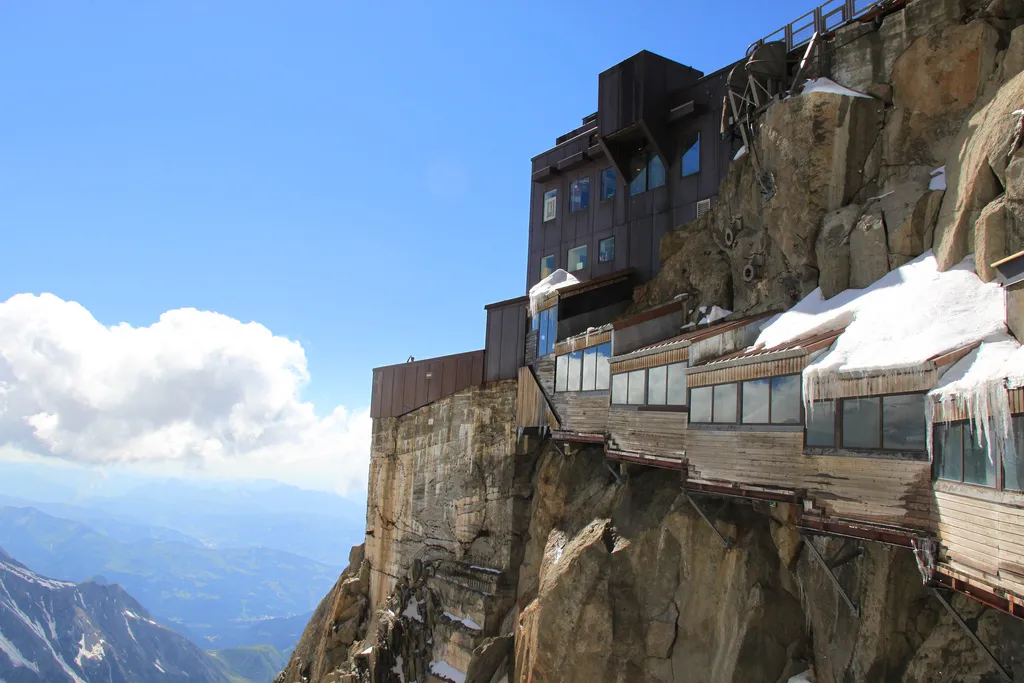
Mala Fatra National Park is one of the most visited national parks in Slovakia, drawing hikers, nature lovers, and adventure seekers to its dramatic limestone peaks and lush forested valleys.
In This Article
Location and Geography of Mala Fatra National Park
Mala Fatra National Park is located in northwestern Slovakia, forming part of the Western Carpathian mountain range. The park covers an area of approximately 226 square kilometers and is characterized by its striking limestone and dolomite ridges, deep gorges, and alpine meadows. The highest peak in the park is Velky Rozsutec, standing at 1,610 meters, which is widely considered one of the most beautiful mountains in the entire country. The park is divided into two main sections, the Luka and the Krivanska Mala Fatra, separated by the Vah River valley. The dramatic topography was shaped by millennia of glacial and river erosion, creating steep cliffs, narrow canyons, and dramatic rock formations that make the landscape instantly recognizable. The park’s proximity to the city of Zilina makes it easily accessible for both day trips and extended hiking holidays. As of 2026, the park entrance remains free, though guided tours and parking fees may apply.
Hiking Trails and Outdoor Activities
The park boasts over 150 kilometers of marked hiking trails that range from easy valley walks to challenging ridge traverses requiring sure footedness and good physical fitness. The most famous trail is the hike along the main ridge of the Krivanska Mala Fatra, which offers panoramic views of the entire mountain range and on clear days stretches all the way to the High Tatras. Numerous waterfalls cascade through the park, including the popular Stoh water feature that plunges dramatically over limestone cliffs. Mountain biking is permitted on designated trails, and the varied terrain provides excellent routes for cyclists of intermediate and advanced skill levels. Rock climbing is also popular on the limestone faces of Velky Rozsutec and Mally Rozsutec, with routes ranging from beginner friendly to highly technical. During winter months, the park transforms into a cross country skiing paradise with groomed trails connecting mountain huts and scenic viewpoints.
Wildlife and Biodiversity
Mala Fatra National Park is home to an impressive array of wildlife thanks to its varied habitats that range from dense beech and fir forests to high altitude alpine pastures. Brown bears roam the more remote sections of the park, though encounters are rare as the animals tend to avoid human contact. Lynx, wildcats, and wolves also inhabit the area, making it one of Slovakia’s most important refuges for large carnivores. Birdwatchers flock to the park to spot golden eagles, peregrine falcons, and eagle owls that nest on the steep cliff faces. The park’s flora is equally remarkable, with over 1,200 species of vascular plants recorded, including several that are endemic to the Western Carpathians. Rare orchids bloom in the alpine meadows during late spring and early summer, adding splashes of color to the green landscape. Conservation efforts in the park focus on maintaining natural forest dynamics and protecting the habitats of endangered species from human disturbance.
The Janosikove Diery Gorge
One of the most popular attractions within Mala Fatra National Park is the Janosikove Diery gorge, a dramatic system of canyons, waterfalls, and narrow passages named after the legendary Slovak outlaw Janosik. The gorge is accessed via a network of steel ladders, footbridges, and platforms that allow visitors to navigate the steep terrain safely while enjoying close up views of the rushing water and sculpted rock formations. The trail passes through three distinct sections known as the upper, Middle, and Lower Diery, each offering different perspectives on the gorge’s geology. During spring snowmelt, the water volume in the gorge increases dramatically, creating powerful cascades that thunder through the narrow canyon walls. The area is particularly popular with families and casual hikers because the technical sections are well maintained and the scenery is exceptionally rewarding for relatively modest effort. Visitors should expect crowds on weekends and during peak summer months, so arriving early is highly recommended. A guided tour of the gorge costs approximately 10 to 15 euros as of 2026.
Best Time to Visit and Practical Information
The best time to visit Mala Fatra National Park depends largely on the activities you plan to pursue. Summer months from June through September offer the most reliable weather for hiking, with temperatures ranging from 18 to 25 degrees Celsius in the valleys and cooler conditions at higher elevations. Autumn brings spectacular foliage colors and fewer crowds, making it an excellent choice for photographers and those seeking solitude. Spring can be unpredictable with rain and lingering snow at higher altitudes, but the waterfalls are at their most powerful during this season. Winter transforms the park into a snowy wonderland suitable for snowshoeing and cross country skiing, though many mountain huts close from November to April. Accommodation options range from mountain huts and budget hostels to comfortable guesthouses in nearby villages like Terchova and Stefanova. Visitors should always carry appropriate footwear, rain gear, and sufficient water and food, as facilities within the park are limited.
Have you ever explored the stunning trails of Mala Fatra National Park, or is it on your Slovakia travel bucket list?
Explore all our Europe travel guides, discover the best of the continent.
Explore More
If you enjoyed this article, you might also like:
- Hamburg Wadden Sea National Park – made up of 3 islands – View all posts in National Parks
- The Northumberland National Park – the least visited of all the English National Parks – View all posts in National Parks
- Going on Holiday to a National Park in the UK – View all posts in National Parks
