The ferry pulls away from the Pier Head with a blast of its horn that echoes off the Three Graces, the Royal Liver Building, the Cunard Building, and the Port of Liverpool Building, a trio of Edwardian palaces that face the Mersey like stone sovereigns surveying their kingdom. The Liver Birds on top of the Royal Liver Building look out to sea: one watching for sailors, one watching for trade. They have been there since 1911. They are 18 feet tall. They are bigger than you expect, and stranger, half eagle, half cormorant, entirely Liverpool.
In This Article
Liverpool: A City That Built Itself Three Times
Liverpool’s first fortune came from the sea, the port that handled 40% of the world’s trade in the 19th century, the gateway to the British Empire, the city where the Titanic was registered (her official title: SS Titanic, of Liverpool). The second came from music, the Merseybeat, the Beatles, the Cavern Club, a cultural export that reshaped global popular music. The third, and this is the surprise, is art. Liverpool has more museums and galleries than any UK city outside London, and the cultural infrastructure, seeded by the 2008 European Capital of Culture designation, has matured into something genuinely world-class.
The Waterfront: Where Liverpool Begins
Start at the Albert Dock, the largest collection of Grade I listed buildings in the UK, a complex of cast-iron and brick warehouses opened in 1846 as the world’s first non-combustible dock system (designed by Jesse Hartley, no wood used in construction). The warehouses now house:
Tate Liverpool (free entry, housed in a converted warehouse with galleries on the ground and first floors), the largest modern and contemporary art gallery outside London. The collection spans international art from 1900 to today, with a particular strength in British art; the changing exhibitions (paid, £12-16) have included retrospectives of J.M.W. Turner and Gustav Klimt. The gallery is currently undergoing a major renovation (expected to reopen fully in early 2027); check the website for current opening status.
The Beatles Story (£18, audio-guided, 90 minutes), the immersive museum that traces the band from the Casbah Coffee Club to the rooftop of Apple Corps. The replica of the Cavern Club is uncannily accurate; the white room where John Lennon recorded Imagine is, for reasons the curators cannot explain, always quiet.
The Merseyside Maritime Museum (free), the story of Liverpool’s relationship with the sea, including the sinking of the Lusitania (torpedoed off the coast of Ireland in 1915, 1,198 dead, a pivotal moment in drawing the US into the First World War) and the International Slavery Museum (on the third floor), unflinching, essential, and the conscience of the Albert Dock. Liverpool’s wealth was built on the transatlantic slave trade; the museum confronts this directly, with a collection that includes original slave ship diagrams, shackles, and the testimony of survivors.
The City Centre: Culture Stacked on Culture
The Walker Art Gallery (free, William Brown Street), “the National Gallery of the North,” a neoclassical building with a collection that spans from the 13th century to the present day. The Pre-Raphaelite room is one of the finest outside London: Millais’s The Black Brunswicker, Rossetti’s Dante’s Dream, Holman Hunt’s The Triumph of the Innocents. The sculpture gallery holds a marble statue of a sleeping child by Pietro Magni, The Reading Girl, so lifelike you expect her to turn the page. The gallery cafe is excellent; the window seat overlooking St John’s Gardens is a good place to recover from the Victorian emotional intensity of the Pre-Raphaelites.
The World Museum (free, next door to the Walker), five floors of natural history, world cultures, and a planetarium (free but book ahead, the 360-degree projection dome seats 62 and the shows on the scale of the universe are properly mind-expanding). The Egyptian collection, one of the best in the UK outside the British Museum, with over 15,000 objects, includes a mummy of a priest named Nes-Amun, unwrapped by X-ray rather than physically, the painted coffin lid so vivid you can read the hieroglyphs.
St George’s Hall (free to enter the Great Hall, guided tours £8), a neoclassical colossus built in 1854, described by Pevsner as “one of the finest neo-Grecian buildings in the world.” The Minton tile floor, 30,000 hand-made tiles, covered for most of the year to protect them, is revealed only a few times annually. The courtrooms in the building’s wings were the venue for some of the most famous trials in British legal history; the dock where the defendants sat is still there, and the weight of it is palpable.
Theatres and the Performing Life
The Everyman Theatre (Hope Street), a radical rebuild completed in 2014 (Stirling Prize for Architecture) on the site of the original 1964 theatre where Willy Russell (Blood Brothers, Educating Rita), Alan Bleasdale, and Julie Walters cut their teeth. The façade, 105 portraits of Liverpool residents, laser-cut into aluminium panels that light up at night, is a statement of intent: this theatre belongs to the city. The bistro on the ground floor serves some of the best food on Hope Street (the pre-theatre menu, £22 for two courses, is excellent value).
The Royal Court Theatre (Roe Street), an Art Deco gem (built 1938) that specialises in Scouse comedy, plays written by Liverpool writers, performed in a Liverpool accent, for a Liverpool audience. If you want to understand the city’s sense of humour, self-deprecating, sharp, unsentimental but secretly deeply sentimental, this is the place. The Christmas show is an institution; book months ahead.
The Philharmonic Hall (Hope Street), the home of the Royal Liverpool Philharmonic Orchestra, the oldest surviving professional symphony orchestra in the UK (founded 1840). The Art Deco auditorium (built 1939, rebuilt after a fire in 1935 that destroyed the original 1849 hall) seats 1,700 and has acoustics that conductors routinely describe as among the best in Europe. The Philharmonic Pub across the road, the ornate Victorian gentleman’s lavatory, with marble urinals and brass fittings, is Grade I listed and famously worth visiting even if you do not need to. The beer is good too.
The Liverpool Sound (Still Loud)
The Cavern Club on Mathew Street still hosts live music seven nights a week, the original club (where the Beatles played 292 times between 1961 and 1963) was demolished in 1973, but the current Cavern, rebuilt on the same site with 15,000 of the original bricks, preserves the low-ceilinged, sweat-dripping intensity of the original. A cover band plays the Beatles catalogue; the audience is a mix of pilgrims, students, and locals for whom this is just a Tuesday. The wall of fame outside, bricks engraved with the names of every artist who has played the Cavern, includes the Rolling Stones, the Who, Stevie Wonder, Queen, and Oasis. The Beatles statue at the Pier Head (donated by the Cavern Club in 2015, cast in bronze, life-size) is the most photographed artwork in Liverpool. Stand between John and Paul for the photograph. Everyone does. It is allowed.
The Top 10 European Ski Resorts
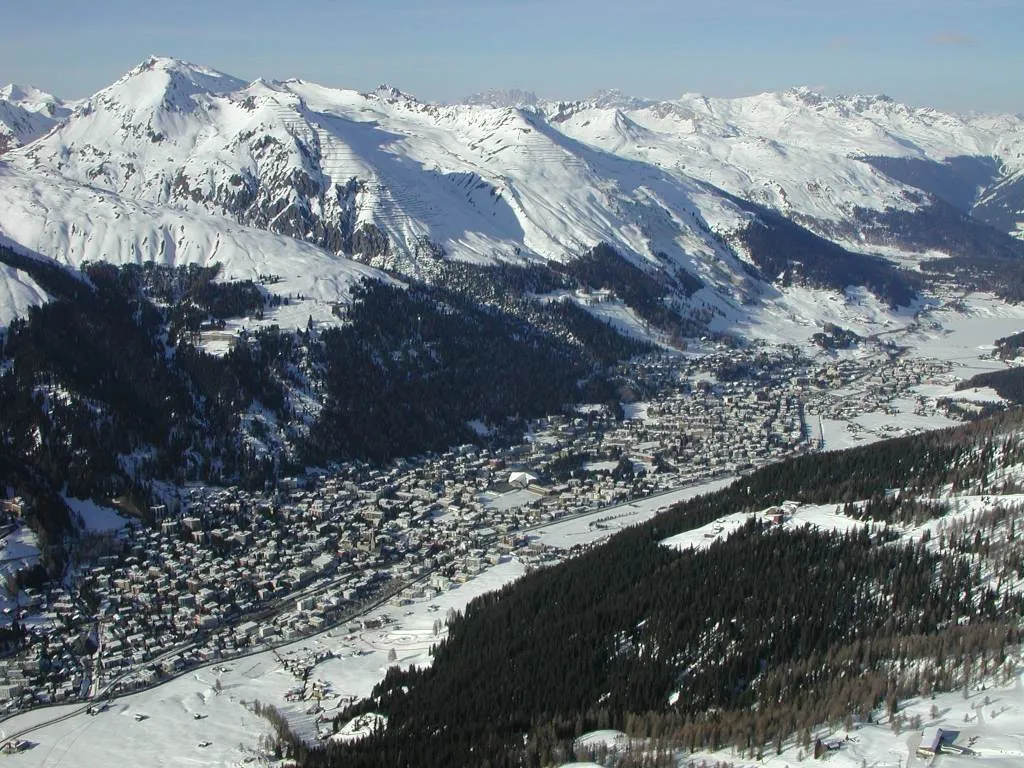
Europe remains a key continent for ski enthusiasts, with a proliferation of resorts. It’s fair to say that new resorts are being opened at regular intervals, although the quality of those destinations can vary somewhat. I enjoy a variety of winter sports and have been fortunate enough to visit a number of leading resorts. Here […]
Liverpool surprised me. I went expecting just the Beatles stuff and found a city with incredible architecture, a world-class waterfront, and genuinely friendly people. The Albert Dock area is beautiful and the museums are mostly free. Went to a football match at Anfield and the atmosphere was electric. The Liverpool accent is also the best in the UK, fight me.