Making money while travelling is possible. It requires skills, discipline, and the acceptance that a Tuesday morning on a Thai beach is still a Tuesday morning and the work still needs to be done. These six methods are genuine income streams, tested by digital nomads worldwide.
In This Article
1. Freelancing
Upwork, Fiverr, and Toptal connect skilled workers with global clients. Writing, design, development, virtual assistance. Build a portfolio before leaving. Set rates competitively. The first three months are slow. The pipeline builds.
2. Remote Employment
Full-time remote contracts, salary, benefits, stability. Companies like GitLab, Zapier, and Buffer are fully distributed. The job boards: We Work Remotely, Remote OK, FlexJobs. The interview asks about time zones. Answer confidently.
3. Teaching English
A TEFL certificate opens doors. Online platforms like Cambly and iTalki pay €10-25 per hour. Language schools in Europe pay €15-25. The steady income, the community of teachers, the satisfaction of watching progress.
4. Content Creation
YouTube, Instagram, TikTok, blogs. The income is slow and uncertain. The successful creators treat it as a business: affiliate marketing, sponsored content, product sales. The failure rate is high. The rewards for persistence are real.
5. Seasonal Work
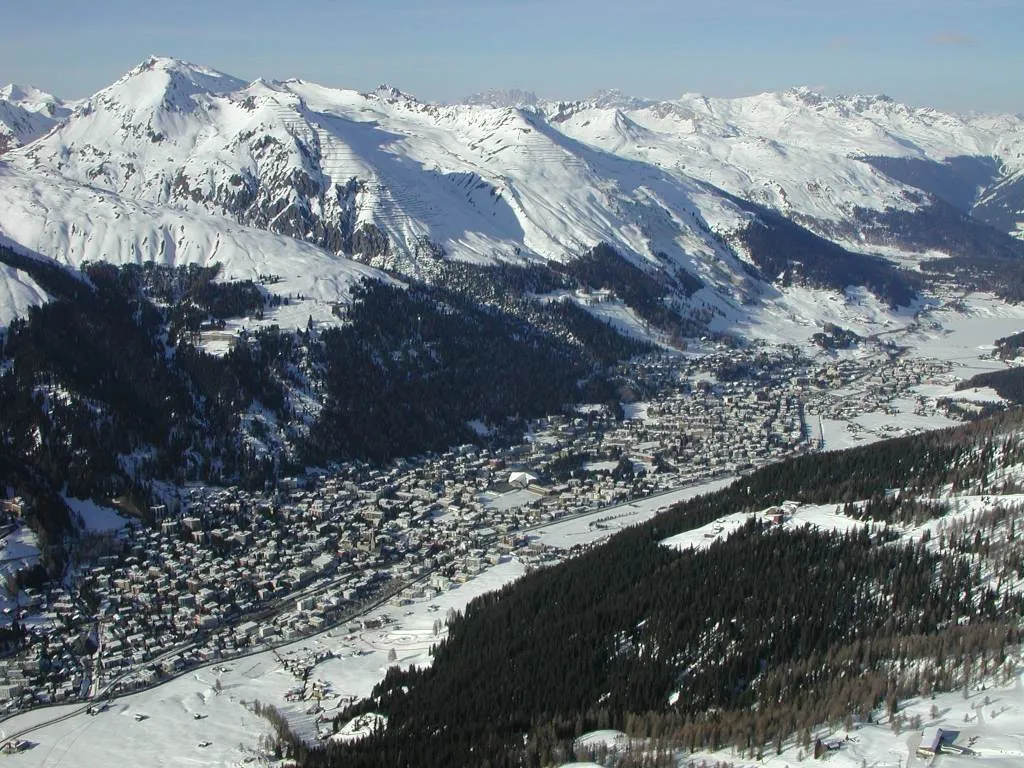
Ski resorts in winter, yachts in summer, farms in harvest season. The pay is modest. The accommodation is usually included. The experience is immediate and immersive. HelpX and Workaway connect volunteers with hosts.
6. House and Pet Sitting
TrustedHousesitters connects sitters with homeowners. Free accommodation in exchange for looking after pets and property. The application process is competitive. The reviews matter. A strong profile with references is essential.
Building a Portable Career: Skills That Travel
The first step to making money while travelling is acquiring a skill that works from anywhere. Writing, web development, graphic design, digital marketing, and virtual assistance are the most in-demand remote skills. The beauty of these professions is that they do not require a physical presence. A freelance writer can cover a tech conference in Berlin one month and file stories from a cafe in Bali the next. A web developer can build e-commerce sites for clients in New York while sitting in a co-working space in Lisbon. The key is to start building your portfolio and client base before you leave home. Take online courses on platforms like Coursera or Udemy to sharpen your skills. Join freelance marketplaces and bid on projects to create a track record. The first few clients are the hardest to win, but once you have reviews and testimonials, the work begins to flow more steadily. Time management becomes critical when your office is also your living space, so establish routines and set boundaries between work hours and exploration hours.
Passive Income Strategies for Nomads
Beyond active work, passive income streams can provide a financial cushion that makes long-term travel more sustainable. Affiliate marketing is one of the most accessible options: write blog posts or create videos reviewing travel gear, book accommodation through your links, or recommend services you use and earn a commission on sales. Print-on-demand products like t-shirts, mugs, and phone cases can generate ongoing income with minimal effort once the designs are created. E-books and online courses allow you to package your expertise and sell it repeatedly without additional time investment. Creating a digital product about how to travel on a budget, how to find remote work, or how to navigate a specific region can generate passive income for years. Real estate crowdfunding platforms let you invest in property with small amounts of capital and receive regular dividend payments. The key to passive income is to invest the time upfront before you leave, so the income begins flowing while you are on the road. Even EUR 200 per month in passive income can make a significant difference to a travel budget.
Managing Taxes, Visas, and Practical Considerations
Making money while travelling comes with administrative responsibilities that should not be ignored. Tax residency becomes complicated when you do not live in any one country for more than a few months. Many digital nomads establish residency in a country with favourable tax treatment, such as Portugal, Georgia, or Estonia, which offer special visa programmes for remote workers. The D7 visa in Portugal and the Digital Nomad visa in Estonia are specifically designed for remote workers and provide a legal framework for living and earning. You should keep detailed records of your income and expenses, as most countries require you to file taxes even when living abroad. Health insurance is essential: World Nomads and SafetyWing offer policies designed for long-term travellers with coverage for medical emergencies, theft, and trip cancellation. A good VPN service protects your data when working from public wifi networks, and a multi-currency bank account like Revolut or Wise saves money on foreign transaction fees. Setting up these practical elements before you leave ensures that your focus remains on work and travel, not on administrative headaches.
Have you ever earned money while travelling, and what did you learn about work, time, and the balance between them?
Explore all our Europe travel guides, discover the best of the continent.
Explore More
If you enjoyed this article, you might also like:
- Top 5 Outdoor Activities For A UK Holiday – View all posts in Nature
- What it takes to become a London Black Cab Driver – Best of Europe – View all posts in Travel Tips
- Best destinations for a family European road trip – View all posts in Travel Tips

Great advice in this article about making money while travelling. I have been applying these tips on my last few trips and they have genuinely improved my travel experience. The practical suggestions are what make this so useful.