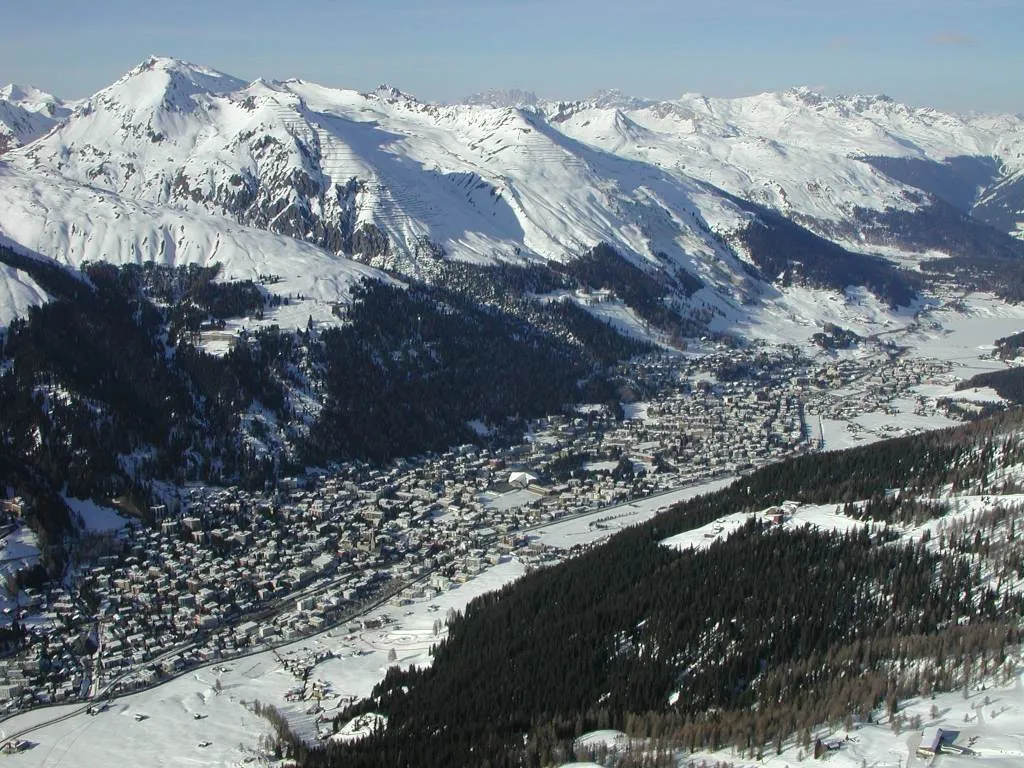
The first snow of December falls silently on the medieval square, settling on the red tiles of the rooftops and the iron arms of the lampposts. Through the window of a timber framed house, the warm glow of candlelight spills onto the street, and the smell of mulled wine and roasted chestnuts drifts from the Christmas market in the town centre. Europe Christmas traditions are as diverse as the continent itself, shaped by centuries of history, local customs, and the winter weather that defines each region. From the Saint Nicholas parades of the Low Countries to the Yule Lads of Iceland, the way Europeans celebrate Christmas reveals something essential about their culture, their history, and the enduring human need for light and warmth in the darkest month of the year.
In This Article
German Christmas Markets: The Heart of Advent
Germany is the undisputed home of the Christmas market tradition, with over two thousand markets taking place across the country from late November until Christmas Eve. The most famous is the Nuremberg Christkindlesmarkt, which dates back to the sixteenth century and is centred on the Hauptmarkt square, with its iconic Frauenkirche church. The market features over two hundred wooden stalls selling handcrafted ornaments, toys, and traditional foods including lebkuchen, grilled sausages, and gluhwein, the spiced mulled wine that warms visitors from the inside out. The Dresden Striezelmarkt, dating from 1434, is one of the oldest and features the giant stollen, a fruit cake that is ceremonially cut each year. The Cologne markets, set against the backdrop of the magnificent cathedral, are among the most atmospheric, with the scent of roasted almonds and mulled wine mixing with the winter air. The tradition of the Advent calendar and the Advent wreath both originated in Germany, and the four weeks before Christmas are marked by daily rituals that build anticipation for the feast.
Swedish Saint Lucia Day: Light in the Darkness
December 13th is Saint Lucia Day in Sweden, one of the most beloved traditions of the Swedish Christmas season. On this day, girls dress in white gowns with red sashes and wear crowns of lingonberry branches with lit candles. The eldest daughter in each family traditionally serves her parents coffee and lussekatter, saffron buns shaped like curled cats, while wearing the candle crown. The celebration marks the winter solstice and the return of light after the longest nights of the year. Churches and schools hold Lucia processions, with a choir singing traditional songs and the Lucia figure leading the way. The atmosphere is solemn, beautiful, and deeply moving, a reminder that Christmas is a festival of light in the physical as well as the spiritual sense. The tradition has spread to other Nordic countries but remains most strongly associated with Sweden.
Icelandic Yule Lads: Thirteen Days of Mischief
The Icelandic Christmas tradition is unique for its thirteen Yule Lads, the sons of the terrifying ogress Gryla and her lazy husband Leppaludi. Each of the thirteen lads visits children on the thirteen nights leading up to Christmas, leaving small gifts in the shoes that children place on their windowsills. The lads are named for their particular quirks, Spoon Licker, Door Sniffer, Window Peeper, and Meat Hook, among others, and each has a distinct personality and appearance. The tradition is a celebration of mischief and imagination that has no equivalent in other European countries. Gryla herself, a giantess who is said to come down from the mountains to eat naughty children, provides a darker counterpoint to the gentle Santa Claus figure. The Yule Lads have been softened in modern times, but the tradition retains its folkloric character and is a source of national pride in Iceland.
Polish Wigilia: The Christmas Eve Feast
The Polish Christmas Eve dinner, Wigilia, is the most important meal of the year, a twelve course meatless feast that begins when the first star appears in the sky. The table is set with an extra place for the unexpected guest, a tradition that honours the idea of hospitality to strangers. The meal includes dishes such as barszcz, beetroot soup with uszka, small dumplings filled with mushrooms, carp prepared in various ways, pierogi filled with cabbage and mushrooms, and kutia, a sweet wheat berry pudding. The opiatek, a thin wafer similar to the communion host, is shared among family members, who exchange wishes for health, happiness, and prosperity. The meal is followed by the exchange of gifts and the singing of koledy, the traditional Polish carols. The Wigilia captures the essence of Polish Christmas, a celebration of family, tradition, and the hope that the new year will bring peace and joy.
Dutch Sinterklaas: A December Celebration
The Dutch celebrate Sinterklaas on December 5th, with festivities that include the arrival of the saint by steamboat from Spain, a tradition that dates back centuries. Children leave their shoes by the fireplace with a carrot or hay for Sinterklaas horse, and wake to find them filled with small gifts and speculaas, spicy cookies shaped like windmills. The evening of December 5th is Pakjesavond, when families exchange gifts accompanied by humorous poems. The Sinterklaas tradition is distinct from the Santa Claus figure that has become dominant in many other countries, and the Dutch maintain it with strong devotion. The season is marked by the smell of pepernoten, small gingerbread like biscuits, and the sight of Sinterklaas in his red bishop robes riding through the streets on his white horse.
Which European Christmas tradition appeals to you most? Share your own family traditions in the comments.
Explore all our Europe travel guides, discover the best of the continent.
Explore More
If you enjoyed this article, you might also like:
- Top 10 Most Interesting Cruises – View all posts in Travel Tips
- Four Scotland Hostels Not To Miss | United Kingdom – View all posts in Travel Tips
- Exploring Europe’s lakes by car – View all posts in Travel Tips
