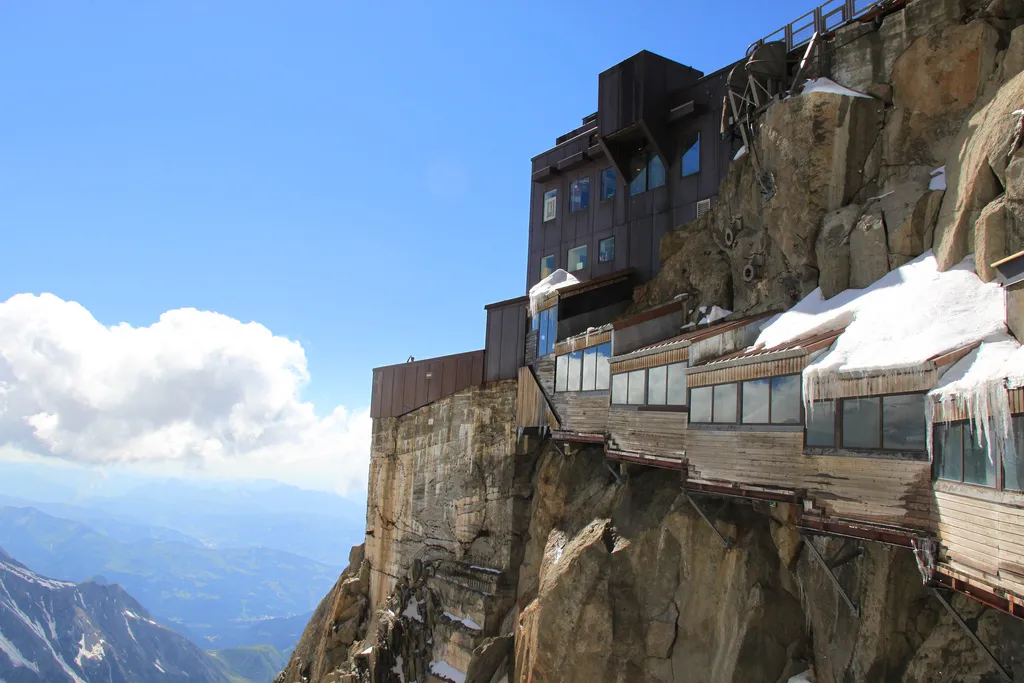
You press the shutter and the light changes. That is the reality of photography in Europe, where the quality of light varies not just by hour but by longitude, latitude, and the unpredictable temper of the continent. At five in the morning in Hallstatt, Austria, the light comes creeping over the Dachstein mountains in layers, first a deep indigo, then a wash of pink, then a sudden flood of gold that ignites the reflection of the town in the lake below. The window for the shot is about four minutes. Miss it and the moment is gone until tomorrow.
In This Article
The Most Photographed Cities in Europe
Paris is the city that photographers return to more than any other. The light on the Seine at dusk, when the limestone buildings turn a shade of warm honey and the street lamps begin to reflect in the water, is a phenomenon that has been captured millions of times and still never looks the same twice. For the classic shot of the Eiffel Tower, position yourself on the Pont de Bir-Hakeim at sunset, with the tower framed between the arches of the bridge and the river catching the last of the day’s colour. For street photography, the Marais district offers narrow medieval streets, hidden courtyards, and the kind of everyday Parisian life that the postcards miss.
Prague offers a different photographic language entirely. The Old Town Square, with its astronomical clock, Tyn Church, and pastel-coloured buildings, is a composition that works at any time of day. But the real prize is the view from the Charles Bridge at sunrise. The bridge connects the Old Town with the Lesser Quarter, and the walk across it in the early morning, when the Gothic towers are backlit by the rising sun and the Vltava River runs silver below, is one of the great photographic experiences in Europe. The trick is to arrive before five in summer, when the bridge is still empty of the crowds that will fill it by eight.
Venice is a city that resists photography and rewards patience. The Grand Canal is photographed from the Rialto Bridge a thousand times a day, but the best shots come from the side canals, where the light bounces off the water and paints the walls of the palazzos in shifting patterns of gold and green. Burano, the fishing island with its brightly painted houses, is a paradise for colour photography, especially in the late afternoon when the sun is low and the facades glow as if lit from within.
Landscape Photography: Mountains and Coasts
The Scottish Highlands offer some of the most dramatic landscape photography in Europe. The Isle of Skye is the highlight, with the Old Man of Storr, a jagged pinnacle of volcanic rock that rises from a ridge of scree, providing a composition that changes with every shift of the weather. The Cuillin Ridge, the Quiraing, and the Fairy Pools are all within easy reach of the island’s main road, and the quality of the light in the Highlands, which can cycle through rain, mist, and sunshine in a single hour, creates conditions that reward the patient photographer with images that feel entirely original.
The Norwegian fjords are a different proposition altogether. Geirangerfjord, a UNESCO World heritage site, is framed by waterfalls that plunge over cliffs on both sides, with the Seven Sisters and the Suitor facing each other across the water. The best viewpoint is from the Ornesvingen Eagle Road, a hairpin bend high above the fjord that offers a panoramic view of the entire valley. The midnight sun, which never fully sets between May and July, creates conditions for photography that exist nowhere else in Europe, with the light changing continuously but never darkening. A polarising filter is essential for cutting through the water reflection, and a sturdy tripod is non-negotiable for the long exposures that fjord photography demands.
Practical Advice for European Photography
Packing for a photography trip requires more thought than a standard holiday. The Mediterranean countries are best in spring and autumn, when the light is softer and the crowds are thinner. Northern Europe, particularly Scandinavia, offers the long golden hours of the midnight sun in summer, while the Alps are at their most dramatic in the autumn when the larch forests turn gold against the dark evergreen of the pine.
A good travel tripod that fits in your carry-on luggage is essential, as is a polarising filter for landscapes and a fast prime lens for low-light city work. The rule of thirds, the golden hour, and leading lines are the basics that will serve you anywhere, but the real skill in European photography is knowing when to put the camera down. Sometimes the best shot is the one you miss because you were too busy watching the light change over Hallstatt, the mist clear on the Old Man of Storr, or the sunset fade over the Grand Canal, and that memory will stay with you longer than any digital file.
What is the one photograph you have taken in Europe that still makes you stop and look every time you scroll past it? Where were you standing when you pressed the shutter?
Explore all our Europe travel guides, discover the best of the continent.
Explore More
If you enjoyed this article, you might also like:
- Selecting Fantastic Holiday Villas In Cyprus – View all posts in Cyprus
- Moving to Cyprus – What You Need to Know – View all posts in Cyprus
- Soak up all that Cyprus has to Offer – View all posts in Cyprus
