Cornwall, the south-westernmost county of England, is a world apart from the rest of the country. With its own distinct culture, language, and traditions, this peninsula of dramatic coastline, sandy beaches, and moorland interior has been a favourite destination for British holidaymakers for over 200 years. From the rugged cliffs of the north coast where the Atlantic rollers crash against ancient rocks to the sheltered coves and harbours of the south, Cornwall offers an extraordinary variety of experiences, whatever the weather.
\\n\\n
In This Article
1. Explore St Michael’s Mount
\\n
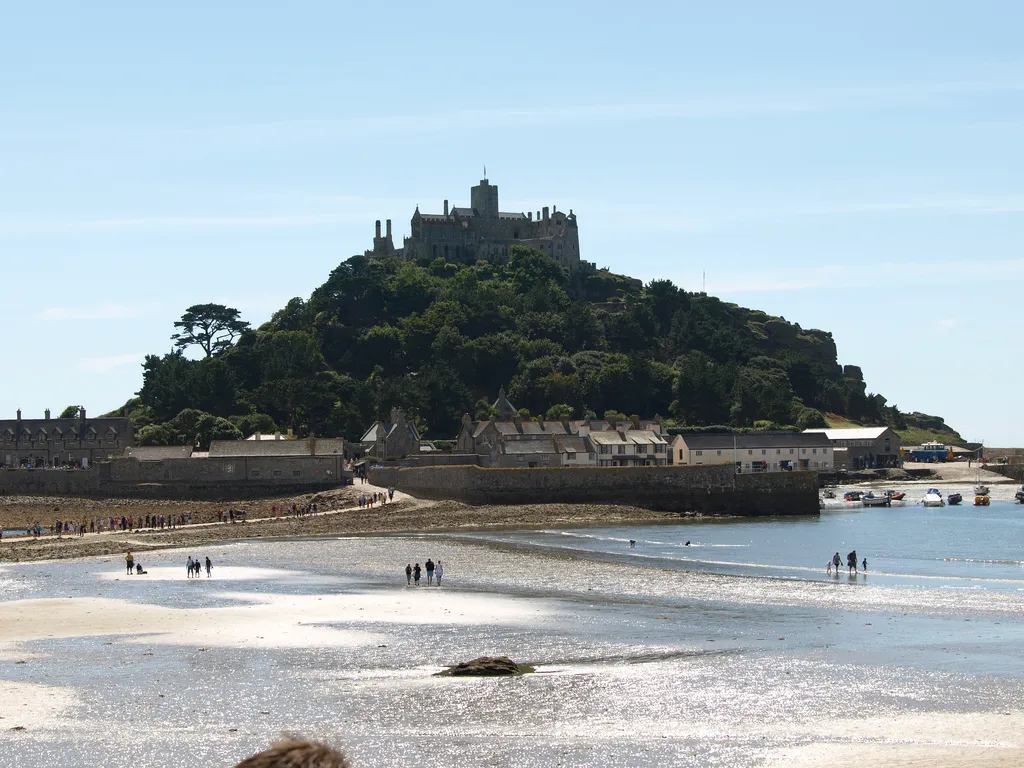
St Michael’s Mount is one of the most iconic landmarks in Cornwall, a tidal island crowned by a medieval castle and a chapel dedicated to the Archangel Michael. At low tide, a granite causeway connects the island to the mainland at Marazion, allowing visitors to walk across. At high tide, boats ferry visitors across the short stretch of water. The castle, home to the St Aubyn family since the 17th century, is open to the public and contains a fascinating collection of furniture, armour, and artworks. The subtropical gardens, clinging to the rocky slopes, are filled with exotic plants that thrive in the mild climate created by the Gulf Stream. The views from the castle ramparts across Mount’s Bay to the fishing port of Newlyn and the city of Penzance are spectacular.
\\n\\n
2. Walk the South West Coast Path
\\n
The South West Coast Path, Britain’s longest national trail, runs for 1,014 kilometres from Minehead in Somerset to Poole in Dorset, passing through the entire Cornish coastline. The Cornish section is arguably the most spectacular, with dramatic cliffs, hidden coves, and panoramic ocean views at every turn. The section between Padstow and Port Isaac offers some of the most dramatic coastal scenery, with the path clinging to the cliffs high above the Atlantic. The Lizard Peninsula, the most southerly point of mainland Britain, offers a completely different landscape, with serpentine rocks, rare wildflowers, and the famous Lizard Lighthouse. The path is well-marked and maintained, with stiles, gates, and footbridges at regular intervals. Many sections are accessible to walkers of all abilities, though some stretches involve steep climbs and descents that require a reasonable level of fitness.
\\n\\n
3. Visit the Eden Project
\\n
The Eden Project is one of Cornwall’s most popular attractions, a series of enormous biomes set in a former clay pit that recreate the climates of the Mediterranean and the tropical rainforest. The Rainforest Biome, the largest indoor rainforest in the world, is a spectacular space filled with exotic plants, waterfalls, and walkways suspended 30 metres above the ground. The Mediterranean Biome features olive groves, citrus trees, and vibrant flowers typical of the Mediterranean climate. The outdoor gardens showcase plants from Cornwall and the South West, including a collection of rhododendrons, camellias, and magnolias that are among the finest in Britain. The Eden Project is also a centre for environmental education and sustainability, with exhibitions exploring the relationship between plants, people, and the planet.
\\n\\n
4. Surf at Fistral Beach
\\n
Fistral Beach, on the north coast of Cornwall near Newquay, is one of the most famous surfing beaches in Britain. The consistent Atlantic swells, clean waves, and golden sand make it a favourite with surfers of all abilities. The beach is home to the Boardmasters festival, one of Europe’s largest surf and music festivals, held every August. Surf schools along the beach offer lessons for beginners, with wetsuits and boards provided. The beach is lifeguarded during the summer months, and the surrounding cliffs provide excellent vantage points for watching the surf. Beyond surfing, Fistral offers excellent rock pooling at low tide and spectacular sunset views from the headlands at either end of the beach.
\\n\\n
5. Discover the Lost Gardens of Heligan
\\n
The Lost Gardens of Heligan, near Mevagissey, are one of the great horticultural restoration stories of the 20th century. These gardens, once part of the Heligan Estate, fell into neglect after World War I and were only rediscovered and restored in the 1990s. The restoration uncovered a network of walled gardens, glasshouses, and ornamental ponds that had been hidden by decades of overgrowth. The Jungle, a ravine garden filled with exotic tree ferns, bamboos, and palms, is one of the most atmospheric parts of the garden. The Vegetable Garden, restored to its Victorian layout, supplies the estate’s restaurant with seasonal produce. The Sleeping Giant, a giant head carved into a hillside, is one of the garden’s most whimsical features.
\\n\\n
6. Visit Tintagel Castle
\\n
Tintagel Castle is one of Cornwall’s most legendary sites, perched on a dramatic headland on the north coast. According to legend, this is where King Arthur was conceived, and the romantic ruins have inspired visitors for centuries. The castle was built in the 13th century by Richard, Earl of Cornwall, on the site of an earlier Celtic monastery. The dramatic setting, with the ruins clinging to the cliffs above the Atlantic, is the main attraction. The new footbridge, opened in 2019, spans the 60-metre gap between the mainland and the island, offering spectacular views and restoring the original connection between the two parts of the site. The nearby Merlin’s Cave, accessible from the beach at low tide, adds to the Arthurian atmosphere.
\\n\\n
7. Eat a Cornish Pasty
\\n
No visit to Cornwall is complete without sampling the Cornish pasty, a baked pastry filled with beef, potato, swede, and onion. The pasty was traditionally carried by Cornish miners as a convenient and portable lunch, with the thick crimped edge serving as a handle for dirty hands. Today, the Cornish pasty is protected by Protected Geographical Indication status, meaning that only pasties made in Cornwall according to the traditional recipe can be called Cornish pasties. The best pasty shops can be found in almost every Cornish town, with Philps, Warrens, and the Cornish Bakery being among the most famous chains. The proper way to eat a pasty is with your hands, holding it by the crimped edge and working your way towards the centre.
\\n\\n
8. Explore St Ives
\\n
St Ives is one of Cornwall’s most beautiful towns, a cluster of white-washed cottages and narrow streets wrapped around a sandy bay on the north coast. The town has been a centre for artists since the early 20th century, when the arrival of the railway brought painters such as Ben Nicholson, Barbara Hepworth, and Naum Gabo. The Tate St Ives, overlooking Porthmeor Beach, exhibits works by modern British artists with connections to the town. The Barbara Hepworth Museum and Sculpture Garden, located in the artist’s former studio, is one of the most peaceful and inspiring art museums in Britain. The town’s four sandy beaches, including Porthminster, Porthmeor, and Porthgwidden, offer excellent swimming and sunbathing.
\\n\\n
9. Visit the Minack Theatre
\\n
The Minack Theatre is one of the most dramatically situated theatres in the world, carved into a granite cliff overlooking the Atlantic Ocean near Porthcurno. The theatre was created by Rowena Cade, who built the first stage in 1932 and spent the rest of her life expanding and improving it, often working alone with the help of local craftsmen. The theatre seats 750 people on granite terraces that descend to the stage, with the sea forming a natural backdrop. The programme runs from May to September, with a mix of plays, musicals, and operas performed by professional and amateur companies. Even when there is no performance, the theatre is open for daytime visits, and the views across the bay are stunning.
\\n\\n
10. Take a Boat Trip to See Seals and Dolphins
\\n
Cornwall’s waters are home to a rich variety of marine life, including grey seals, common dolphins, and occasionally basking sharks and even whales. Boat trips from harbours such as Padstow, Falmouth, and St Ives offer the chance to see these creatures in their natural habitat. The grey seal colony at Godrevy, on the north coast, is one of the largest in England, with pups born between September and December. The waters around the Runnelstone, off Land’s End, are a hotspot for dolphin sightings, with schools of common and bottlenose dolphins frequently seen. Many boat operators follow the Wildlife Watching Code, ensuring that the animals are not disturbed by the presence of boats. A boat trip is also one of the best ways to appreciate the scale and beauty of Cornwall’s dramatic coastline from a different perspective.
\\n\\n
Have you explored the wonders of Cornwall from its sandy beaches to its legendary castles? Which of these ten experiences would you most recommend to a first-time visitor?
\\n\\n\\n\\n
\\n \\n
The unique geography and history of Cornwall, from its windswept cliffs to its cottage gardens, offer a lot of exciting opportunities for visitors.
\\n
Sandy beaches, sea birds, dramatic coastlines and scattered wild flowers bobbing in the wind form the scenery of the Lizard peninsula. This peninsula is home to peaceful coves and is an excellent spot for surfing and kayaking.
\\n
The recent popularity of the Harry Potter books has revived interest in all things wizardry, making The Museum of Witchcraft a fun way to spend a damp afternoon. Explore unusual artifacts related to witchcraft, from scrying mirrors to talismans or dried toads.
\\n
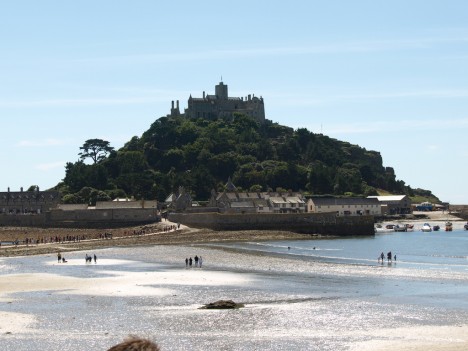
\\nSt. Michael’s Mount, Cornwall, UK by Alex Healing
\\n
On the summit of a rocky, windswept island perches St. Michael’s Mount a medieval church and castle. Reachable only by boat at high tide or along a winding causeway at low tide, St. Michael’s Mount features sweeping architecture complete with turrets and gun batteries. Clinging to the steep cliffs is a terraced garden overflowing with sub-tropical flowers.
\\n
For a fun day of rides for people of all ages, try Flambards theme park. Don’t miss the Victorian Village, where the Victorian era has been re-created complete with cottages and shops, such as the butcher’s shop and the apothecary.
\\n
Rumored to be the birthplace of King Arthur, Tintagel Castle is a magical site full of ancient, crumbling ruins. Waterfalls plummet down the cliff sides into the Atlantic below. Meanwhile, hidden underneath the castle is Merlin’s Cave, which is flooded with water during high tide.
\\n
Take a train ride through a secret garden with miniature trees, wind you way through a maze and follow a trail to a hobbit house at the hidden Valley Discovery Park. Armed only with a map and your powers of observation, try going on a treasure hunt for lost crystals hidden throughout the park.
\\n
Spend a romantic evening at an inn famous for its exciting history of contraband smuggling, the Jamaica Inn. This inn is the inspiration for the book of the same name by Daphne du Maurier, who chanced upon the inn after getting lost in a storm. The inn has a large collection of smuggling artifacts and is located on the Bodmin Moor, where you can wander and get lost in its natural beauty.
\\n
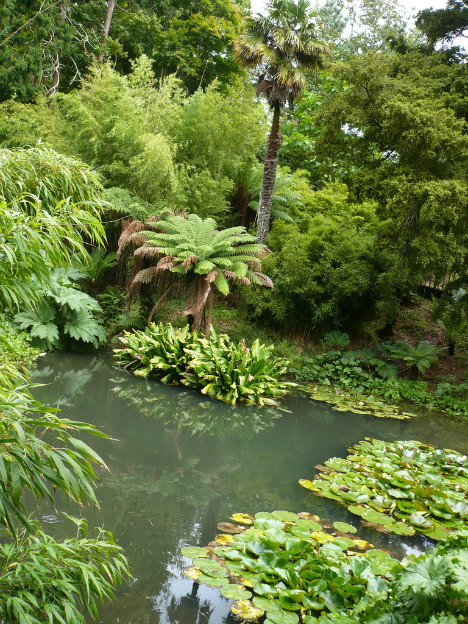
\\nLost Garden of Heligan, Cornwall, UK by joannevc
\\n
“Don’t come here to sleep or slumber,” reads the inscription uncovered in a tiny room buried under collapsed stonework in the Lost Garden of Heligan. Overgrown and neglected for the better part of a century, the garden has been gloriously restored with a lovely Victorian garden, woodlands and a lush sub-tropical garden.
\\n
On a chilly, rainy day, nothing is more pleasant than a visit to a traditional Cornish pub, such as the Famous Barrel. Bask in the glow of the fireplace while enjoying cask ale in this 100-year-old pub that features a front door made from a section of a brewer’s barrel.
\\n
If you’re an adventure seeker, head to the Adrenalin Quarry, home of the longest zip line in the UK. Booking isn’t necessary; just show up and jump. Or try The Giant Swing, which hangs 150 over the water-filled quarry.
\\n
Cornwall has an abundance of activities from the cozy to the invigorating. It is a place of enchantment, bursting with history against a backdrop of stunning landscapes.
\\n
Sarah writes for Highcliffe Holidays, who have a great selection of Polzeath Cottages self-catering accommodation. They love pets and are proud to be amongst the top providers of dog friendly cottages in North Cornwall.\\n
