Beyond Berlin – Exploring Traditional Rural Germany
Updated June 11, 2026 by Claire
The hay, cut that morning, the scent of dried grass and clover filling the valley, is being raked into windrows by a tractor that has been working this field since the farmer’s grandfather drove it here in 1962. Beyond Berlin, beyond the techno clubs, the galleries, the kebab shops open at 4am, lies a Germany of half-timbered villages, forested hills, and a rhythm of life that has not changed substantially since the Wirtschaftswunder of the 1950s.
The Spreewald (the Spree Forest, 90 minutes south of Berlin) is a UNESCO Biosphere Reserve, 200 km of canals winding through alder forests, the traditional flat-bottomed punts (Kahn) poled by boatmen in traditional dress, the gherkins (Spreewälder Gurken, the protected designation of origin, the sour-sweet pickles that are a German institution) sold from roadside stalls. The Harz Mountains, the Brocken (1,141 m, the highest peak, the summit shrouded in mist 300 days a year, the witches’ sabbath of Goethe’s Faust), the narrow-gauge steam railway (the Brockenbahn, climbing the mountain since 1899), the half-timbered towns (Quedlinburg, a UNESCO site, 1,200 half-timbered houses spanning six centuries), are the wild heart. The Black Forest (Schwarzwald) is the rural Germany of the imagination: the cuckoo clocks, the Bollenhut (the red pom-pom hat), the Black Forest gateau (the cherry, the cream, the chocolate, invented here, the original recipe at Café Schäfer in Triberg unchanged since 1915).
The Top 10 European Ski Resorts
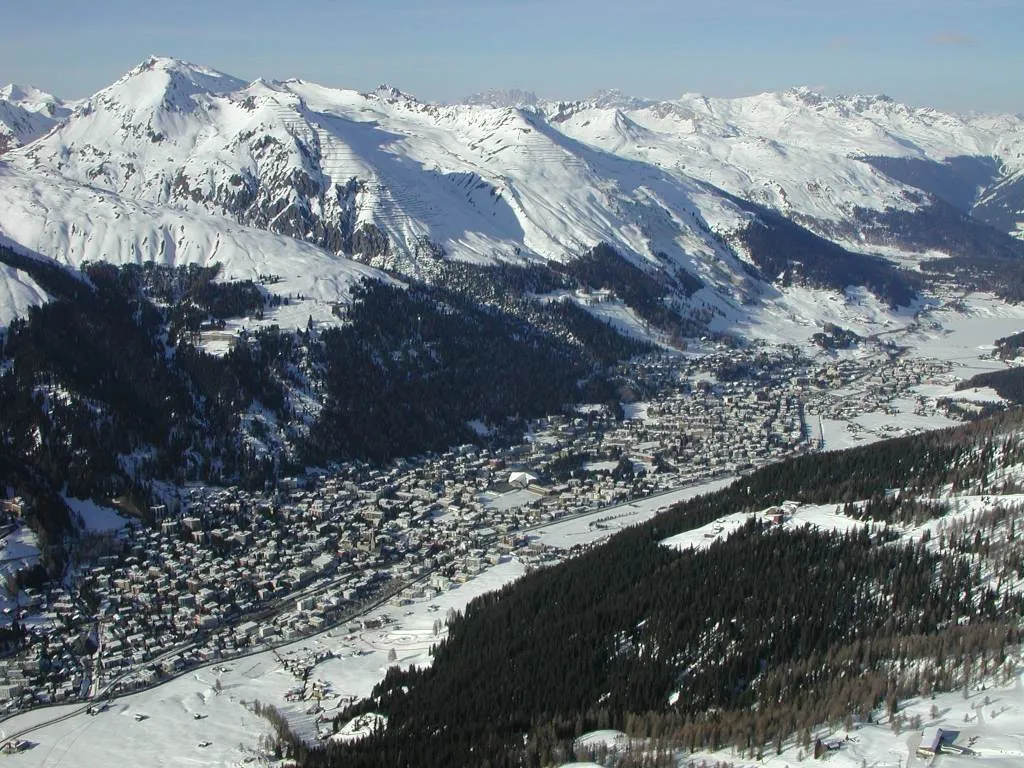
Europe remains a key continent for ski enthusiasts, with a proliferation of resorts. It’s fair to say that new resorts are being opened at regular intervals, although the quality of those destinations can vary somewhat. I enjoy a variety of winter sports and have been fortunate enough to visit a number of leading resorts. Here […]
Where in rural Germany did you find the quiet, the village, the forest, the Biergarten under the chestnut trees? 🌳
Explore all our Germany travel guides, from Berlin buzz to Bavaria castles.
The Romantic Road: Bavaria Scenic Treasure
The Romantic Road is Germany most famous scenic route, stretching 350 kilometres from Wurzburg to Fussen through Bavaria heartland. This well-marked driving and cycling route passes through dozens of medieval towns with intact city walls, half-timbered houses, and cobblestone squares. Rothenburg ob der Tauber is the best-preserved medieval town in Germany, where you can walk the entire city wall and visit the Christmas Museum open year-round. Dinkelsbuhl offers a quieter alternative with similar medieval charm and fewer crowds. Nordlingen sits inside a meteorite crater, its round shape visible from above. The road ends at Neuschwanstein Castle, the fairy-tale castle that inspired Disney. The route is best experienced over three to five days, allowing time to explore each town thoroughly and enjoy the Franconian wine regions along the way.
Bavarian Village Life and Traditions
Traditional Bavarian village life continues to thrive in small communities across southern Germany, where customs and festivals remain central to daily life. The Schuhplattler folk dance, lederhosen and dirndl traditional dress, and brass band music are living traditions rather than tourist performances. Oktoberfest may be world-famous, but local village festivals called Volksfeste offer more authentic experiences with fewer crowds and lower prices. The Maypole tradition, where villages erect decorated tree trunks in the town square, marks the beginning of spring festivities. Many villages maintain communal ovens where neighbours gather to bake bread on designated days. The alpine pastures of the Allgau region still practice seasonal cattle migration, with cows wearing elaborate bells as they descend from mountain pastures in autumn. These living traditions make rural Germany a destination for cultural immersion rather than sightseeing.
The Harz Mountains: Legends and Landscapes
The Harz region in northern Germany offers a dramatic contrast to the flat northern plains, with deep forests, rocky peaks, and a rich folklore tradition. The Brocken, at 1,141 metres the highest peak in the region, is famously associated with witches and supernatural legends that inspired Goethe Faust. The narrow-gauge steam railway, the Brockenbahn, has been climbing the mountain since 1899 and remains one of Germany most popular heritage railway experiences. The historic towns of the Harz include Wernigerode with its colourful half-timbered houses and hilltop castle, Goslar with its UNESCO-listed Imperial Palace, and Quedlinburg with over 1,200 timber-framed buildings spanning six centuries. The region offers excellent hiking through the Harz National Park, where lynx have been successfully reintroduced. Winter brings cross-country skiing and Christmas markets in atmospheric medieval settings. The Harzer Kase, a distinctive sour milk cheese, and the region herbal liqueurs are culinary specialities worth seeking out.
Explore all our Germany travel guides, from Berlin buzz to Bavaria castles.
Explore More
If you enjoyed this article, you might also like:
