The red velvet curtain, heavy as a cathedral door, the colour of a Bordeaux wine stain, parts with a pneumatic sigh, and the stage erupts. Twenty dancers, high-kicking in perfect unison, petticoats a froth of black and pink and electric orange, the can-can at full tempo and the audience, a mix of tourists in smart-casual and Parisians who have seen this a dozen times and still cannot look away, leaning forward as one. The Moulin Rouge has been running since 1889. It has survived two world wars, a fire that destroyed the original building in 1915, and the relentless gentrification of Pigalle. The can-can still works. It works because it was never really about the dancing. It was about the joy.
In This Article
Paris: The Magic Is Real, If You Know Where to Look
Paris in 2026 is expensive, crowded, and thoroughly picked over by the tourism industry. It is also, still, the most beautiful city in the world, and the magic that drew visitors in the Belle Époque has not been diluted. It has been relocated. You will not find it on the Champs-Élysées or in the queue for the Eiffel Tower. You will find it in a jazz club in the Latin Quarter at 1am, in a courtyard garden that the guidebooks have missed, and in the moment a Parisian waiter, after you have greeted him properly, in French, with bonjour monsieur, decides that you are not a tourist but a guest.
The Performances That Still Deliver
Moulin Rouge (82 Boulevard de Clichy, Pigalle): The dinner-and-show format (€185-250) is the full experience, but the 9pm show-only ticket (€88-120) gets you the same spectacle without the dinner mark-up. The Féerie show, 80 performers, 1,000 costumes, a set that includes a giant aquarium with live pythons, is the current production, running since 1999 and still selling out. Book 4-6 weeks ahead. Dress code is smart-casual; do not wear shorts. The windmill on the roof, the iconic red sails, electrically lit, has been spinning since 1889, and the view of it from the street, against a Parisian night sky, is worth the journey alone. The show itself is polished, professional, and a little bit ridiculous, exactly as it should be.
The Opéra Garnier (Palais Garnier, 9th arrondissement): The building that inspired The Phantom of the Opera is a Second Empire fever dream, marble, gold leaf, a Chagall ceiling painted in 1964 (over the original, which survives beneath), and a Grand Staircase that makes you understand why 19th-century audiences dressed for the opera: the building demanded it. The self-guided tour (€14) is available daily; the ballet and opera performances (€15-220 depending on seat) book out months ahead. Even if you cannot get a performance ticket, the afternoon tour, the chandelier (seven tonnes, designed by Charles Garnier himself), the foyer (the Gallery of the Moon and the Gallery of the Sun, gilded and mirrored and utterly overwhelming), and the auditorium with its 1,979 red velvet seats, is one of the most beautiful interiors in Europe. The Phantom’s Box 5 is real; look for it on the left-hand side of the auditorium, at balcony level.
Jazz in the Latin Quarter (Le Caveau de la Huchette, 5th arrondissement): A 16th-century cellar that became a jazz club in 1946 and has not stopped swinging since. The staircase winds down into a vaulted stone room where the band plays at floor level, the audience dances, and the sweat drips from the ceiling by midnight. The house band plays traditional and swing jazz; the crowd is an improbable mix of students, couples on dates, and elderly Parisians who have been coming here for fifty years and still know every step. Entry is €12-15; the music runs from 9.30pm to 2.30am. The atmosphere, subterranean, smoky, utterly democratic, is the antidote to every overpriced cocktail bar in the Marais. Do not sit. Dance. Nobody is watching, and even if they are, you are in Paris, in a cave, at 1am. The rules do not apply.
The street performers of Montmartre (Place du Tertre, 18th arrondissement): The artist’s square behind Sacré-Coeur is a tourist trap in the literal sense, portrait artists, caricaturists, and the occasional mime, but it is also, against all odds, charming. The basilica of Sacré-Coeur (completed 1914, consecrated 1919) is free to enter; the climb to the dome (300 steps, €6) rewards with the second-best view in Paris (the Eiffel Tower is the first, but you cannot see the Eiffel Tower from the Eiffel Tower, which is the philosophical argument for Sacré-Coeur). The back streets of Montmartre, Rue de l’Abreuvoir, Rue des Saules, the vineyard at the corner of Rue Saint-Vincent (the last working vineyard in Paris, producing 1,500 bottles a year), are quieter and more atmospheric than the square itself. The magic of Montmartre is not in the Place du Tertre. It is in the side street where you hear a piano through an open window and realise the person playing is good enough to be at the Opéra Garnier.
The Everyday Magic
The real magic of Paris, the thing that the tourism industry cannot package, is the unscripted moment. The bookstall along the Seine where the vendor recommends a 1947 edition of Verlaine that costs €4. The boulangerie where the baker hands you a baguette and says bonne journée with the same warmth he offers the regulars. The park bench in the Jardin du Luxembourg where you sit for an hour and watch Parisian life unfold, children sailing toy boats on the pond, old men playing pétanque, a couple arguing in rapid-fire French about something that sounds dramatic and probably is not, and realise that this is the city. Not the attractions. The life.
The Top 10 European Ski Resorts
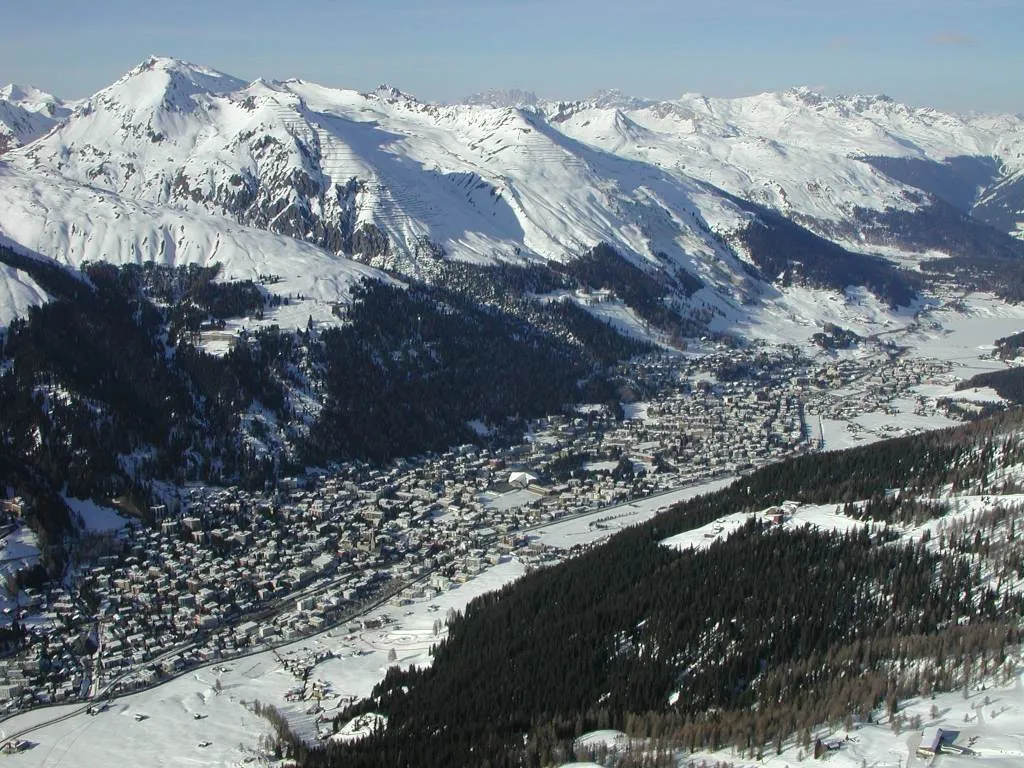
Europe remains a key continent for ski enthusiasts, with a proliferation of resorts. It’s fair to say that new resorts are being opened at regular intervals, although the quality of those destinations can vary somewhat. I enjoy a variety of winter sports and have been fortunate enough to visit a number of leading resorts. Here […]
