Travelling on a budget is not about deprivation, it is about spending your money on the things that matter (the experiences, the food, the moments you will remember) and saving on the things that don’t (the room you will only sleep in, the transport you will only sit on, the brand-name tour that anyone can book). Budget travel in Europe is easier than ever, low-cost airlines, comparison websites, digital booking platforms, and the sharing economy have transformed the market, but the fundamental principles have not changed: flexibility, research, and a willingness to prioritise what you value. Here is a practical guide to holidaying on a budget in Europe.
Quick Facts: How to Holiday on a Budget in Europe
- 1. Timing is everything: The single biggest saving you can make is travelling outside peak season. July–August, Christmas, and New Year are the most expensive periods across Europe. Shoulder season, May–June and September–October, offers the best balance of good weather and lower prices. January (after Epiphany, ~January 6) is the cheapest month for flights and accommodation across Europe. If you can travel midweek (Tuesday–Thursday flights and Sunday–Thursday hotel stays are the cheapest), you will save 20–40% on every trip
- 2. Flights: Use flight comparison sites (Google Flights, Skyscanner) and book 6–8 weeks ahead for the best European short-haul fares. Be flexible with your dates, the “whole month” search on Skyscanner and the flexible-date calendar on Google Flights are essential tools. Consider alternative airports, flying to a secondary airport and taking a train can be significantly cheaper (e.g., London Gatwick rather than Heathrow, Paris Beauvais rather than Charles de Gaulle, Rome Ciampino rather than Fiumicino). The low-cost carriers (Ryanair, easyJet, Wizz Air) have stripped everything back, check the baggage allowance, the airport (Ryanair’s “Paris” is Beauvais, 80 km from the city), and the total cost with fees before booking
- 3. Accommodation: The biggest budget-saving strategy: book accommodation with a kitchen (an apartment, a studio, a hostel with a kitchen). Eating out three meals a day is the fastest way to blow a budget, cooking even the simplest breakfast and one dinner per day saves €30–50 per person per day. Booking.com, Airbnb, and Hostelworld (for hostels) are the main platforms. For the best value, book apartments or B&Bs directly with the owner, the rates are often lower and the welcome is warmer. The sharing economy has made entire apartments available at hotel-room prices, a studio in a residential neighbourhood is almost always better value and a more authentic experience than a hotel room in the tourist centre
- 4. Food: The picnic lunch is the budget traveller’s secret weapon, visit a local market or supermarket, buy bread, cheese, cured meat, fruit, and a bottle of wine, and eat on a park bench, a beach, or a square. You will eat better and for a quarter of the price of a restaurant lunch. For dinner, eat where the locals eat, follow the cardinal rule: if the menu is in five languages and there is a man outside with a menu board, walk away. The best-value restaurants are the ones with a handwritten menu, a single language, and a dining room full of local families. Lunch is always cheaper than dinner, the menu del día in Spain (€10–15 for three courses with wine), the plat du jour in France (€12–18), and the pranzo di lavoro in Italy (€10–15) are the best-value meals in Europe
- 5. Transport: Trains booked in advance are the best-value way to travel between European cities. The earlier you book, the cheaper the fare, high-speed train tickets are released 3–4 months ahead and the cheapest tiers sell out fast. For long distances, compare the cost of a train with a flight including the cost of getting to and from the airport, a train from city centre to city centre can be cheaper and faster than a flight when you factor in airport transfers and security queues. Buses (FlixBus, BlaBlaBus) are the cheapest option, €10–30 for routes that would cost €50–150 by train, but they are slower and less comfortable. For local transport, a city transport pass (24–72 hours) is almost always the best value, it covers unlimited travel on buses, trams, and metro, and often includes discounts on attractions

The Top 10 European Ski Resorts
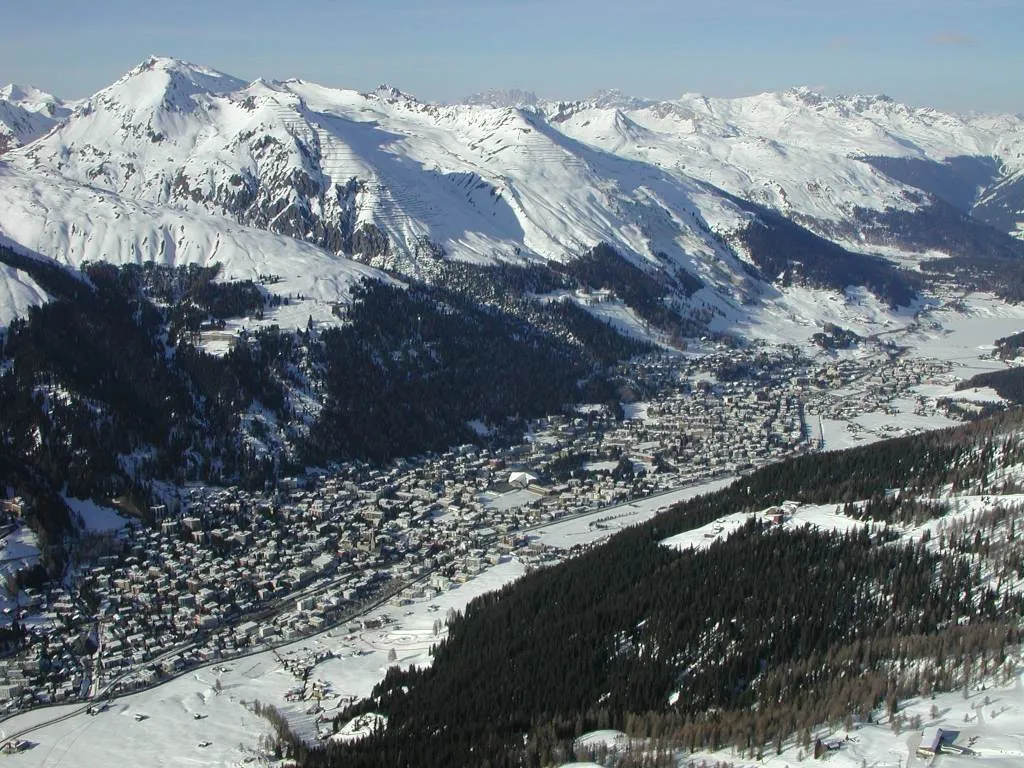
Europe remains a key continent for ski enthusiasts, with a proliferation of resorts. It’s fair to say that new resorts are being opened at regular intervals, although the quality of those destinations can vary somewhat. I enjoy a variety of winter sports and have been fortunate enough to visit a number of leading resorts. Here […]
