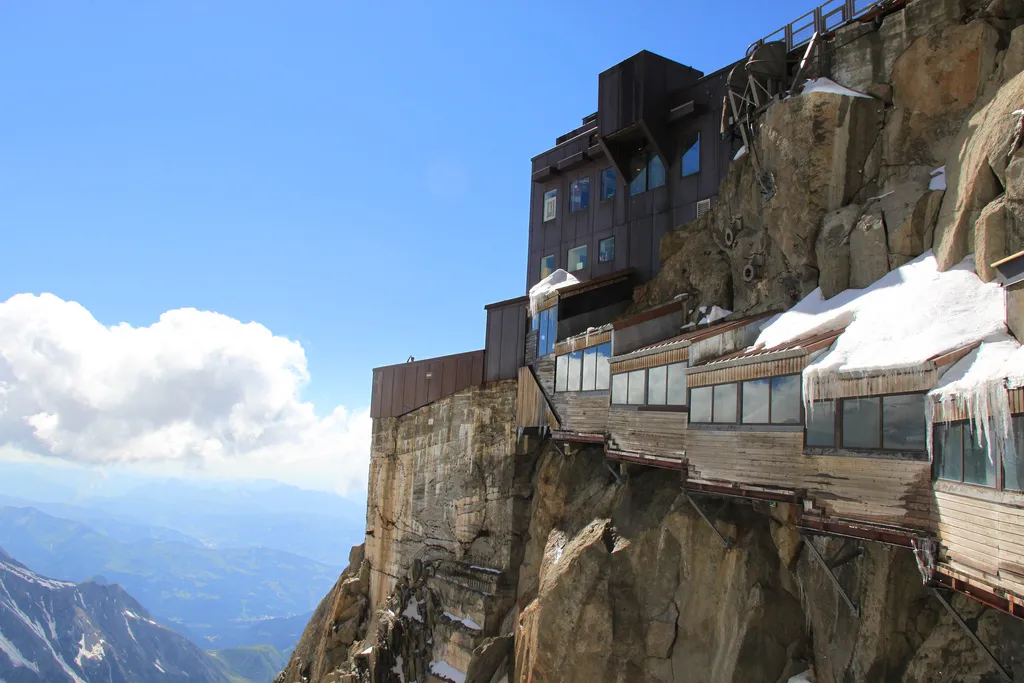
The first run of the day, freshly groomed corduroy under the skis, the snow squeaking at -12°C, the lift queue non-existent because you took the first Olympique bubble at 8.45am, delivers you onto the Bellevarde piste with the whole mountain spread out below you and the Italian border somewhere in the haze beyond the Grande Motte glacier. Val d’Isère at 9am, before the crowds, before the sun softens the snow, before the mountain restaurants start serving, is a different resort from the one that appears in the brochures. It is quieter. Wilder. Yours.
In This Article
Val d’Isère: The High-Altitude Heavyweight
Val d’Isère, linked with Tignes since 1972 to form the Espace Killy, named after the French Olympic triple gold medallist Jean-Claude Killy, is one of the most snow-sure resorts in the Alps. The village sits at 1,850 m; the skiing reaches 3,456 m on the Grande Motte glacier, and the Pissaillas glacier above Le Fornet guarantees skiing from late November to early May. The combined area offers 300 km of pistes (the same as the Three Valleys, though less interconnected), served by 71 lifts, and the variety, from the wide blue cruisers above Tignes to the legendary black of La Face de Bellevarde (the 1992 Olympic downhill, a 3 km run dropping 960 m at gradients up to 33 degrees), covers every ability level.
The Village: Purpose-Built but Finding Its Soul
Val d’Isère village is mostly 1960s-1980s construction, but strict building codes, all new buildings must use local stone and wood, pitched roofs, traditional Savoyard architecture, have matured into something that feels, if not authentic, at least convincing. The old village core, the church of Saint-Bernard des Alpes (built 1664, baroque altarpiece, the bell tower the traditional meeting point), the narrow streets around the rue du Coin, preserves the agricultural hamlet that existed before the skiing arrived. The sheep and cattle that grazed here in summer, tended by families who have been in the valley since the 15th century, are still part of the landscape; the Savoyarde cheese you eat in a mountain restaurant was almost certainly made within 10 km.
Where to Sleep: A Compromise of Budget and Location
Centre of town (€€€€): The area around the church and the main street gives you walking access to the Solaise and Bellevarde lifts, the après-ski bars, and the supermarket. Hotels like the Avenue Lodge (4-star, rooms from €350/night in high season) and Le Blizzard (5-star, rooms from €600/night) are luxurious and correspondingly priced.
La Daille (€€-€€€): The satellite hamlet at the foot of the Bellevarde, connected to the centre by a free bus (5 minutes) and the Funival funicular. Cheaper, quieter, and with direct lift access to the Bellevarde sector. The accommodation is mostly apartments and chalets; a self-catered apartment for four costs approximately €1,500-2,500 per week in high season.
Le Fornet (€€€): The upper hamlet, 2 km from the centre, with direct access to the Fornet and Pissaillas glaciers. Quieter, more exclusive, and the departure point for the best off-piste in the valley (a guide is essential, the glacier terrain is crevassed and the avalanche risk is serious). Accommodation is mainly chalets; a catered chalet for eight costs approximately €10,000-15,000 per week. Book 8-12 months ahead for February and Easter.
Tignes (linked, €-€€€): The sister resort, higher (2,100 m at Le Lac), more modern architecturally, and generally cheaper for equivalent accommodation. The atmosphere is different, younger, more sports-oriented, more British, but the skiing is overlapping and the Espace Killy lift pass covers both resorts equally.
On the Mountain: The Runs That Define the Resort
La Face de Bellevarde (black): The Olympic downhill, visible from the village, intimidating from the chairlift. The top section, narrow, steep, icy in the morning, is the test. The lower section opens into sweeping, fast terrain. On a good day, with fresh legs, it is one of the most satisfying runs in the Alps. On a bad day, it will humble you. The video replay of the 1992 gold medal run (Patrick Ortlieb, Austria, 1:50.37) is on YouTube; the course has not changed.
Grande Motte glacier (red, accessible to all levels): The cable car from Tignes Val Claret delivers skiers to 3,456 m, above the cloud line, onto a glacier that has been skiing year-round since the 1970s. The views, Mont Blanc to the north, the Vanoise National Park to the south, the Italian peaks in the distance, are worth the cable car ride even if you do not ski. The run back down (the Sache, a blue/red that winds through the glacial moraine) is long, scenic, and forgiving.
Le Fornet off-piste (guide required): The off-piste accessible from the Fornet chairlift (accessed through gates, clearly marked, avalanche transceivers mandatory) ranges from intermediate powder fields to expert couloirs. The Col Pers, a steep, narrow descent accessed by a short bootpack from the top of the Pays Desert chair, is the most famous off-piste line in the valley. The snow quality here, north-facing, high altitude, easily accessible, is consistently among the best in the Alps. Book a guide through the ESF or Oxygène (€400-450/day, split between 4-6). The guide will assess conditions, choose the line, and carry the rescue equipment. The avalanche risk is real; the guide’s decision is final.
Après-Ski and Eating
La Folie Douce (on the mountain, La Daille sector, 2,500 m): The original “après-ski party on the slopes”, a restaurant at lunch that transforms, from 3pm, into a DJ-led open-air party with dancers on tables, champagne sprayed into the crowd, and a clientele that includes everyone from ski instructors to oligarchs. The final run down to the village at 4.30pm, after several glasses of rosé and a regrettable amount of dancing in ski boots, is a test of character and balance. The Cocorico bar in the village (next to the bus station, live music, slightly less manic energy) is the backup for when La Folie Douce feels too much like a music video you accidentally wandered into.
Mountain restaurants: La Fruitière (on the Folie Douce site, lunch €40-60 per person, the terrace view is one of the best in the Alps). L’Edelweiss (Le Fornet, Savoyard food in a 16th-century farmhouse, the fondue is exceptional, the walk from the piste is 50 metres). La Peau de Vache (on the Bellevarde, a burger-and-beer joint with a terrace that seats 200 and fills by 12.15pm on sunny days, arrive at 11.45am or accept you are eating lunch at noon like a sensible person for once).
In the village: La Baraque (traditional Savoyard, the raclette is served at your table from a half-wheel of cheese, the scraping ritual is half the fun, book 2-3 days ahead). Le Chalet (pizzeria, casual, the diavola with spicy salami costs €16 and arrives within 10 minutes, the fastest and most reliable dinner in town). The Taverne d’Alsace (Alsatian food in the Alps, the choucroute garnie, sauerkraut with sausages and pork, is hearty enough to replace the calories you burned skiing, and then some).
7 Of The Best French Ski Resorts For 2013
France is the most popular tourist destinations in the world. According to the UNWTO, 79.5 million tourists arrived in France in 2011. From Paris and Versailles to the French Riviera and the Alps, France abounds in tourist attractions. For Britishers, France has been the traditional destination for skiing holidays. Each year, millions of British tourists […]
