The key turns in the lock of a three hundred year old stone farmhouse in the Dordogne, and the smell of damp stone, old wood, and lavender drifts out to meet you. Buying property in France is a dream that many British buyers have pursued successfully for decades. The market is stable, the legal system is protective, and the variety of regions means there is a perfect property for almost every budget and lifestyle. weather you are looking for a holiday home, a rental investment, or a permanent move, these five regions offer the best balance of value, lifestyle, and long term potential.
In This Article
The Dordogne: The Classic British Choice
The Dordogne has been the most popular region for British buyers since the 1980s, and for good reason. The landscape is beautiful, with rolling hills, limestone cliffs, and the Dordogne river winding through medieval villages. The property stock is exactly what British buyers want: stone farmhouses with shuttered windows, barns waiting to be converted, and the occasional chateau for those with deeper pockets. A three bedroom stone house with a garden and a pool costs roughly 250,000 to 400,000 euros. The rental season runs from June to September, and yields are modest at 3 to 5 percent gross. The real value is in the lifestyle and the stability. The Dordogne does not boom and does not bust. It gently appreciates. The local markets are excellent, the food is outstanding, and the British community is well established, meaning you will find English speaking doctors, plumbers, and estate agents without difficulty.
The Languedoc: Southern Sun Without the Premium Prices
The Languedoc region, stretching from Nimes to the Spanish border, offers the south of France experience at a fraction of the Cote d’Azur prices. The climate is Mediterranean, with hot summers and mild winters. The city of Montpellier has a growing tech sector and a high speed TGV connection to Paris, making it practical for remote workers. A two bedroom apartment in Montpellier costs roughly 200,000 to 300,000 euros. A village house in the Herault countryside costs 150,000 to 250,000 euros. The rental yields are higher than the Dordogne, typically 4 to 6 percent, and capital appreciation has been steady at 2 to 4 percent per year. The region is less discovered by international buyers, which means better value and less competition. The coastline, from Sete to Collioure, is beautiful and relatively undeveloped.
Bordeaux: The City That Transformed
Bordeaux has undergone a remarkable transformation in the last decade. The arrival of the LGV high speed rail line in 2017 cut the journey time to Paris to just over two hours, and the city responded by reinventing itself. The waterfront has been pedestrianised, the eighteenth century architecture has been cleaned, and a new generation of restaurants and wine bars has opened. A two bedroom apartment in the Chartrons district costs roughly 350,000 to 500,000 euros. A village house in the Entre Deux Mers wine region costs 200,000 to 350,000 euros. The rental market is strong because Bordeaux attracts tourists year round and business travellers from the wine trade. The city itself is liveable, walkable, and one of the most beautiful in France. The wine is a bonus. The long term outlook is excellent.
The French Alps: Premium Property in the Mountains
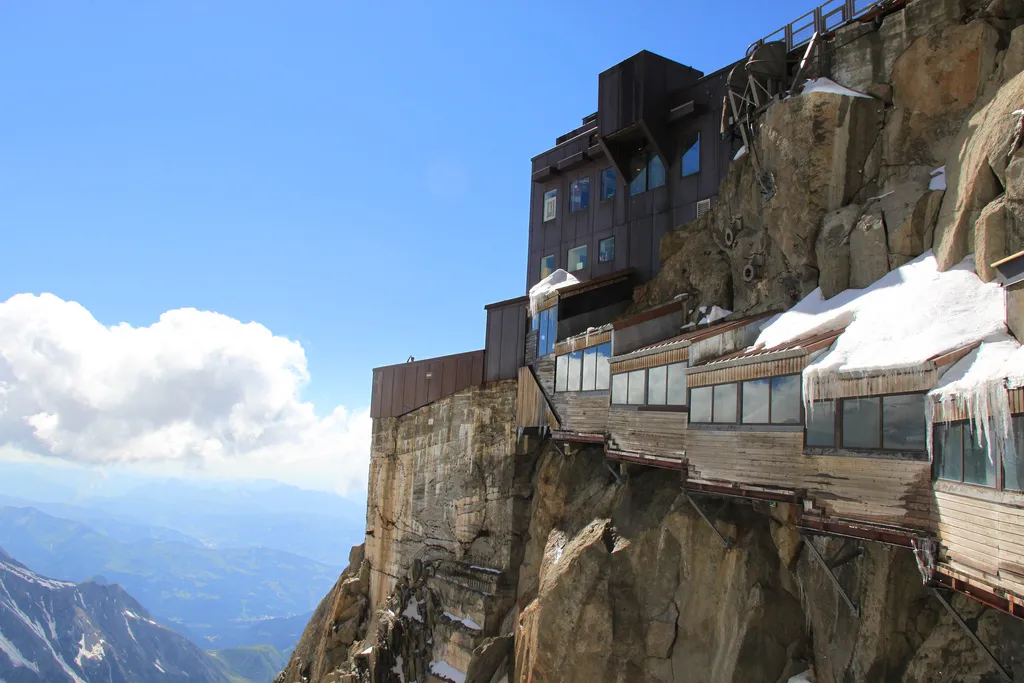
The Haute Savoie region, around Chamonix and Annecy, represents the premium end of the French property market. A one bedroom apartment in Chamonix costs roughly 300,000 to 500,000 euros. A chalet with mountain views costs a million euros and up. The winter rental season runs from December to April, and the summer season runs from July to August. The dual season income is the main attraction for investors. Yields are 3 to 4 percent gross, but capital appreciation over the past decade has averaged 4 to 6 percent per year. The market is regulated by local authorities who restrict new construction, which supports prices. The lifestyle is unbeatable if you love skiing, hiking, and mountain scenery. The property market here is for serious buyers with serious budgets, but the returns and enjoyment are correspondingly high.
Brittany: Value and Accessibility
Brittany is the budget option with excellent value. The ferry from Portsmouth to St Malo takes eight hours, and the drive from the Channel ports to the Breton coast takes one to two hours. The region has a distinct Celtic culture, a dramatic coastline, and some of the best seafood in France. The granite houses, known as longeres, cost roughly 150,000 to 300,000 euros for a three bedroom property with land. The coastal towns, Dinard, St Malo, and Quiberon, are more expensive but still reasonable by French standards. The rental market is French dominated, and the season is shorter, mainly July and August. Capital appreciation is modest at 1 to 3 percent per year, but the initial outlay is low and the quality of life is high. Brittany is the smart choice for buyers who want a foothold in France without stretching their budget.
Which region of France appeals to you most for property investment, and would you prioritise rental income or lifestyle?
Published in: France, Travel Tips. Updated June 11 2026.
Explore all our France travel guides, from Parisian boulevards to Provence lavender.
Explore More
If you enjoyed this article, you might also like:
