The United Kingdom may be an island, but getting to mainland Europe has never been easier. From high-speed trains gliding beneath the Channel to budget airlines connecting regional UK airports to every corner of the continent, from overnight ferries that turn travel into an adventure to coaches that make crossing remarkably affordable, there is a route for every budget, timescale, and travel style. The journey from the UK to Europe is no longer the logistical hurdle it once was, and with a little planning you can be sipping coffee in a Parisian café, cycling along Amsterdam canals, or watching the sunset from a Barcelona beach within hours of leaving British soil.
In This Article
Eurostar: The High-Speed Rail Link
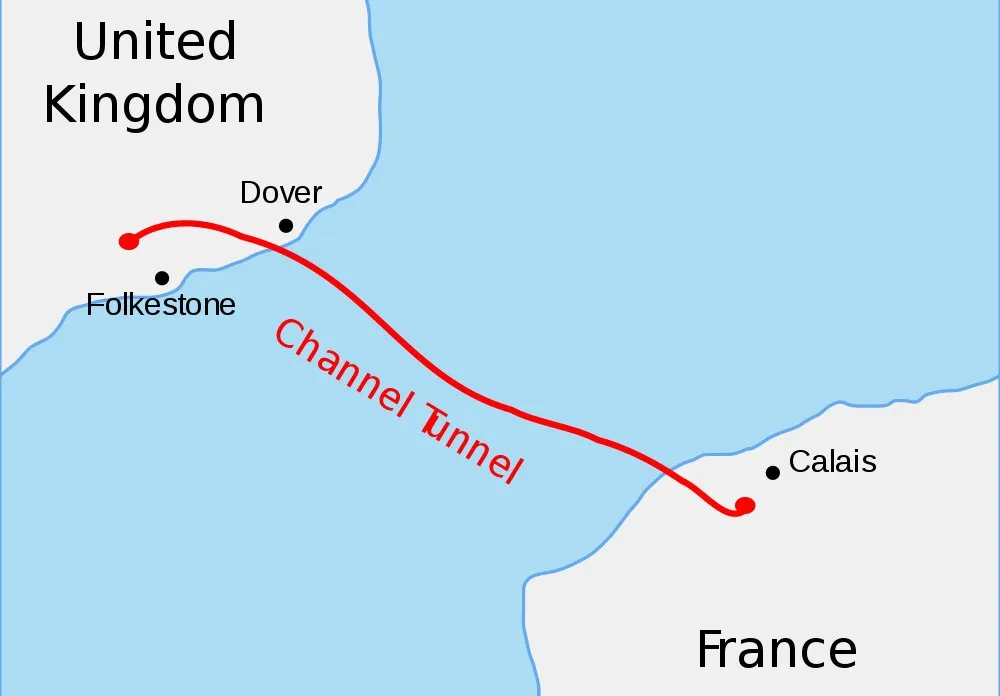
The Eurostar is the fastest and most civilised way to reach the continent from the UK. Departing from London St Pancras International, the train hurtles through the Channel Tunnel at speeds of up to 300 km/h, delivering passengers to Paris Gare du Nord in just 2 hours and 16 minutes, Brussels in 1 hour and 53 minutes, and Amsterdam Centraal in around 4 hours. There are direct services to Lille, Rotterdam, and seasonal routes to the French Alps and the south of France. Ticket prices start from around £39 one-way when booked well in advance, though last-minute fares can exceed £200. The key advantage of Eurostar over flying is the city-centre-to-city-centre convenience: there is no airport transfer at either end, no baggage fees, and a generous luggage allowance of two large bags plus hand luggage. Check-in closes just 30 minutes before departure, compared to the two hours required at most airports. The Standard Premier class includes a light meal and more spacious seating, while Business Premier offers fully flexible tickets, lounge access, and gourmet dining.
Flying: Budget Airlines and Beyond
Flying remains the most popular way to reach Europe from the UK, and for good reason. Budget carriers like Ryanair, easyJet, Wizz Air, and Jet2 operate from dozens of regional UK airports to hundreds of European destinations, often for astonishingly low fares. You can fly from London Stansted to Rome for £20, from Manchester to Malaga for £30, or from Edinburgh to Krakow for £25 if you book at the right time and travel light. Full-service airlines including British Airways, Lufthansa, and KLM offer more comfort, included baggage, and connections through major European hubs for longer journeys. Flight times range from under an hour to around four hours for destinations in Eastern Europe. The trade-off is the airport experience: security queues, baggage restrictions, and the cost and time of airport transfers can eat into the savings from that cheap ticket. For short-haul trips, factoring in an hour on the train to the airport and another from the arrival airport to the city centre can double the effective journey time compared to the flight itself.
Ferries: The Scenic Sea Crossing
Taking a ferry from the UK to Europe turns the journey into part of the holiday. The main routes cross from Dover to Calais and Dunkirk (P&O Ferries and DFDS, approximately 90 minutes), Newhaven to Dieppe (4 hours), Portsmouth to Caen, Cherbourg, St Malo, and Le Havre (Brittany Ferries, 6-8 hours), and Harwich to Hook of Holland (Stena Line, 6-7 hours). There are also overnight services from Hull to Rotterdam and Newcastle to Amsterdam (DFDS, approximately 15 hours including cabin accommodation). Ferry travel is particularly appealing for those taking a car, motorhome, or bicycle to Europe, as no other mode of transport allows you to bring your own vehicle. A family of four with a car can cross from Dover to Calais for around £100-150 return, though longer routes with cabins cost more, typically £200-400 per person including a berth. The overnight routes are genuinely enjoyable experiences with restaurants, bars, live entertainment, and comfortable cabins that deposit you on the continent refreshed and ready to drive onwards the next morning.
Coach: The Budget Champion
For travellers on the tightest budget, long-distance coaches offer the cheapest way to reach Europe from the UK. National Express and FlixBus operate services from London Victoria Coach Station to Paris, Brussels, Amsterdam, and beyond, with fares starting from as little as £10 one-way. Megabus also serves several European cities from London, with similar budget pricing. The journey is significantly longer than the alternatives: London to Paris by coach takes around 8-10 hours including the ferry or tunnel crossing, compared to just over 2 hours on the Eurostar. However, for backpackers, students, and anyone who values savings over speed, the coach is an unbeatable option. Coaches are generally comfortable with reclining seats, onboard toilets, and sometimes Wi-Fi and power outlets. Overnight services allow you to sleep through most of the journey, arriving at your destination early the next morning with a full day ahead of you.
Driving: The Freedom of Your Own Car
Driving your own car to Europe via the Channel Tunnel or a ferry crossing gives you complete freedom to explore at your own pace. The Eurotunnel Le Shuttle service from Folkestone to Calais takes just 35 minutes, with your car loaded onto a train that traverses the tunnel. Prices start from around £80 each way, and you stay with your vehicle throughout the short crossing. Once on the continent, the European motorway network is excellent, and you can reach destinations in northern France, Belgium, the Netherlands, and Germany within a few hours of leaving Calais. Driving is particularly practical for families with young children, anyone planning an extended road trip through multiple countries, or those travelling with sports equipment like skis or surfboards that would incur airline excess baggage charges.
Comparing the Options at a Glance
For speed, the Eurostar is unbeatable from London, delivering you to central Paris or Brussels faster than any other option when you factor in airport transfers. For price, the coach wins hands down, followed closely by budget airlines if you travel light and book early. For comfort and the experience of travel itself, an overnight ferry with a cabin is a memorable journey in its own right. For flexibility and the ability to explore off the beaten track, driving your own car is the clear winner. The best choice depends on your starting point in the UK, your final destination, your budget, and how much you value the journey as part of the adventure. With so many options available, the continent is closer than ever.
Tips for Booking Your UK to Europe Journey
Book early for the best prices, particularly on Eurostar and ferries during school holidays and summer weekends when demand peaks. Use comparison sites like Trainline for rail, Skyscanner for flights, and Direct Ferries for sea crossings to compare options across multiple operators. Consider open-jaw itineraries where you fly out to one city and return from another, giving you a route rather than a there-and-back. If you are flexible on dates, travelling midweek almost always yields lower fares across all transport modes. And if you are a regular traveller, look into loyalty schemes: Eurostar offers a frequent traveller programme, and Brittany Ferries Club Voyage provides discounts on sailings and onboard spending.
What is your favourite way to cross the Channel — the speed of Eurostar, the adventure of a ferry, or the bargain of a budget flight? Share your travel tips in the comments! 🚄✈️⛴️
Explore all our Europe travel guides and tips, practical advice for planning your European adventure.
Explore More
If you enjoyed this article, you might also like:
- How to Plan a Cheap City Break in Paris | France – France
- Doing London in three stages – United Kingdom
- A Travelers Must Do Guide When Visiting Rome | Italy – Italy
