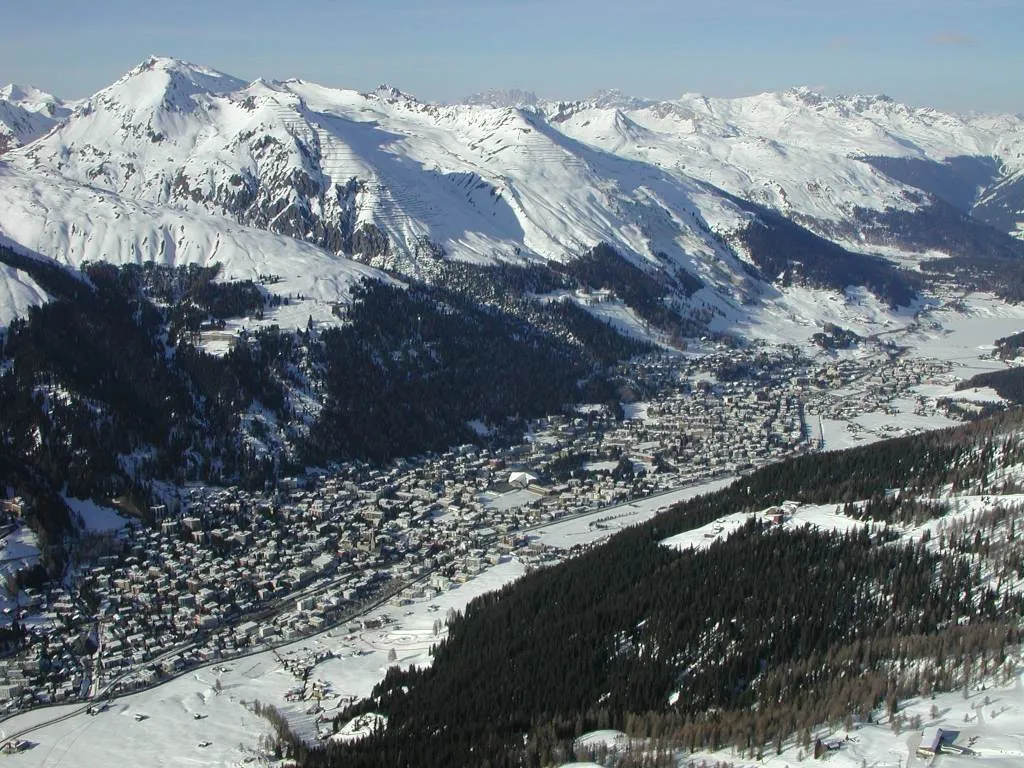
Tired of expensive and impersonal hotel rooms? Discover five exciting accommodation alternatives that offer more character, better value, and unforgettable travel experiences.
In This Article
- 1. House Sitting: Live Like a Local for Free
- 2. Hostels: Social, Affordable, and Surprisingly Comfortable
- 3. Serviced Apartments: Home Comforts with Hotel Convenience
- 4. Farm Stays and Agriturismos: Rural Retreats with Authentic Charm
- 5. Boutique Bed and Breakfasts: Personalised Hospitality with Local Flavour
1. House Sitting: Live Like a Local for Free
House sitting is one of the most budget-friendly accommodation options available to travellers in 2026. Homeowners who travel need someone to look after their property, care for pets, and water plants, and in exchange you stay completely free. Websites like TrustedHousesitters link homeowners with vetted sitters. An annual membership costs approximately 120 pounds and can pay for itself after just one sit. Sits range from weekend city breaks to extended three-month stays in countryside homes. You gain full run of a real home with a kitchen, laundry, and garden. The arrangement works best for flexible travellers who enjoy animals and can adapt to different neighbourhoods. Many sitters report forming genuine bonds with the pets they care for, making the experience emotionally rewarding as well as economical. The key to success is a thorough application and excellent references from previous sits.
2. Hostels: Social, Affordable, and Surprisingly Comfortable
Modern hostels have evolved far beyond the dormitory stereotypes of the past. Many now offer private rooms with ensuite bathrooms alongside traditional shared dormitories. Average dorm bed prices range from 15 to 40 pounds per night as of 2026, depending on the city. Premium hostels in Europe, such as Generator and Wombat’s, feature designer interiors, rooftop bars, co-working spaces, and organised social events. Female-only dorms, secure lockers, and enhanced privacy curtains are now standard in quality hostels. Free walking tours, pub crawls, and common kitchens help travellers meet people and save money on meals. Hostels are ideal for solo travellers seeking instant community. Many have converted historic buildings into stunning accommodation, from Budapest’s former palaces to Amsterdam’s repurposed factories, adding architectural interest to your stay.
3. Serviced Apartments: Home Comforts with Hotel Convenience
Serviced apartments bridge the gap between hotels and rental flats, offering fully furnished living spaces with hotel-style amenities. Properties typically include a separate living area, fully equipped kitchen, washers and dryers, and workspace. Prices average between 80 and 150 pounds per night as of 2026, often cheaper than comparable hotel suites when you factor in the ability to cook your own meals. Companies like SACO and Corporate Lets operate thousands of units across major European cities. Weekly rates often include cleaning service, fresh linens, and 24-hour reception. Families appreciate the extra space and privacy, while business travellers value the dedicated work areas and reliable Wi-Fi. Long-stay discounts can reduce nightly rates by up to 40 percent for stays of a month or more, making this option particularly attractive for digital nomads and relocating professionals.
4. Farm Stays and Agriturismos: Rural Retreats with Authentic Charm
Farm stays, known as agriturismos in Italy and gites in France, offer travellers the chance to live and work on working farms. Accommodation ranges from rustic converted barns to comfortable guest cottages. Nightly rates typically fall between 50 and 120 pounds as of 2026 and often include breakfast made from produce grown on the farm. Guests can participate in daily activities such as milking cows, collecting eggs, harvesting vegetables, or making cheese and wine. Many farm stays offer cooking classes where you learn to prepare regional dishes using ingredients fresh from the field. Child-friendly farms let young visitors feed animals and explore nature safely. This accommodation style connects travellers directly to local food systems and traditional rural life. Agriturismos in Tuscany and Umbria are especially popular, combining stunning landscapes with world-class local cuisine and wine tasting experiences.
5. Boutique Bed and Breakfasts: Personalised Hospitality with Local Flavour
Boutique bed and breakfasts offer an intimate alternative to chain hotels. Unlike cookie-cutter accommodations, each B&B has its own personality, decor, and style. Average prices range from 70 to 160 pounds per night as of 2026, including a home-cooked breakfast. Hosts typically provide personalised recommendations for restaurants, hidden gems, and local attractions that you would never find in a guidebook. Many B&Bs are housed in historic buildings, from Victorian townhouses in Edinburgh to Provencal farmhouses in Provence. Common amenities include complimentary tea and cake on arrival, homemade jams, and gardens or terraces for relaxation. The personal touch makes a significant difference: hosts remember your name, dietary preferences, and favourite breakfast choices. For solo travellers, B&Bs offer warmth and company; for couples, they provide romance and privacy. The best B&Bs earn their reputation through genuine hospitality that no hotel chain can replicate.
Which alternative accommodation style will you try on your next European adventure?
Explore all our Europe travel guides, discover the best of the continent.
Explore More
If you enjoyed this article, you might also like:
- Cruise Tips: "Liners" vs "Ships" – View all posts in Travel Tips
- Top 5 Weekend Getaways for 2013 – View all posts in Travel Tips
- Family Holidays In Spain – View all posts in Spain
