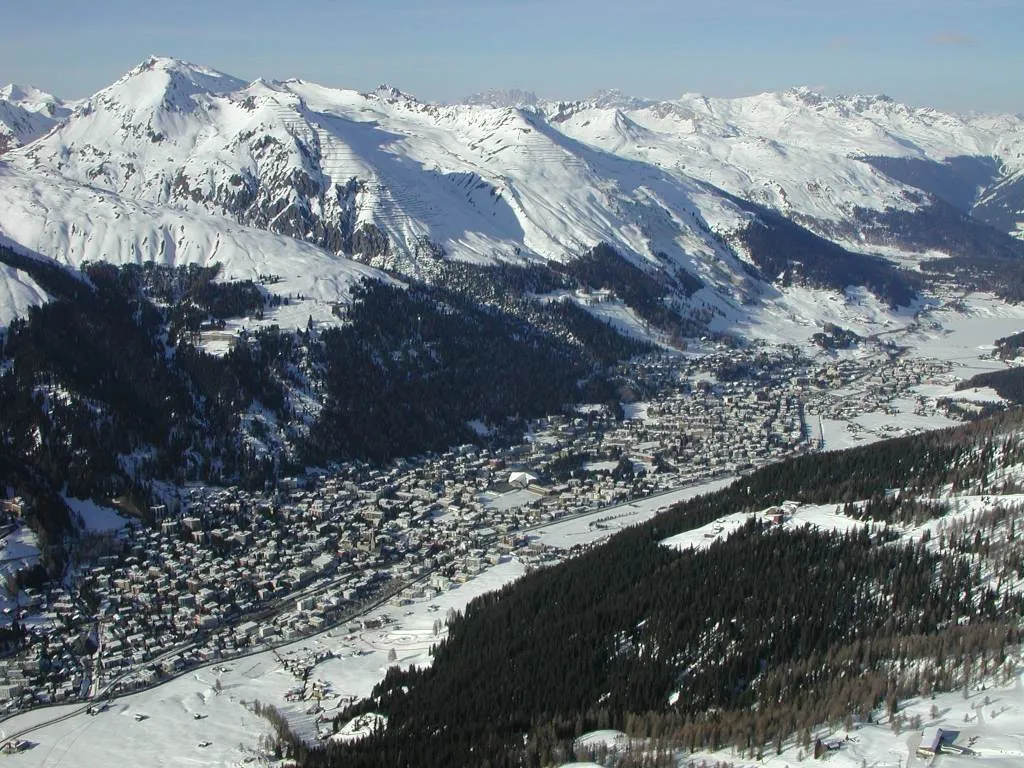
The cable car doors close and the hum of the resort fades to nothing. You rise above the treeline, and the sound of the engine is replaced by a silence so complete that you can hear your own breathing. The Alps stretch 1,200 kilometres across eight countries, with 82 peaks over 4,000 metres and the most extensive mountain infrastructure on Earth. But the reason the Alps make a perfect getaway is simpler than any statistic. It is the silence. The moment the cable car stops and the world below disappears. The crunch of boots on the first snow of November. The cowbells in a meadow at 1,800 metres, sounding across the valley in the late afternoon. The Alps are not just a destination. They are a reset.
In This Article
Summer in the Alps: Hiking, Lakes, and High Meadows
The alpine summer runs from late June to early September. The high trails open as the snow melts, and the mountain huts, known as rifugi in Italy, refuges in France, and hütten in Austria and Switzerland, serve lunch on terraces with views that make you forget what day it is. The Tour du Mont Blanc is the classic multi-day trek, a 170-kilometre circuit that crosses France, Italy, and Switzerland through some of the most beautiful mountain scenery in the world. Day hiking from Chamonix to Lac Blanc at 2,352 metres, where the reflection of Mont Blanc sits perfectly still in the water, is achievable with moderate fitness and a good pair of boots.
The Swiss Alps have the most extensive lift system in the world, with 2,400 cable cars and mountain railways that transport hikers to the high trails without the effort of climbing. The Jungfrau Railway reaches Europe’s highest station at 3,454 metres, and the view from the Sphinx Observatory across the Aletsch Glacier, the longest in the Alps at 23 kilometres, is the panorama that justifies the ticket price. The alpine lakes, weather the glittering blue of Lake Geneva or the wild green of the Oeschinensee in Switzerland, provide swimming, paddleboarding, and cooling off after a day on the trails. The larch forests at lower altitudes turn golden in September, and the cowbells echo across the valleys from dawn until dusk.
Winter in the Alps: Skiing and the Quiet Beyond
The Alps have roughly 10,000 kilometres of marked pistes and 3,000 ski lifts. The skiing is the headline, and it is the best in the world for sheer variety and scale. But winter in the Alps offers experiences that do not require skis. Winter walking trails, cleared paths through silent forests where the only sound is the crunch of snow underfoot, lead to restaurants with fireplaces and hot chocolate that tastes like it was invented for exactly this purpose. The thermal baths of Leukerbad in Switzerland, the largest thermal spa in the Alps, have outdoor pools at 2,000 metres where you can soak in 38-degree water while snow falls on your head. The Christmas markets in alpine towns like Innsbruck, Chamonix, and Courmayeur are intimate and cold and lit by fairy lights strung between medieval buildings.
The apres-ski culture varies by country. France favours the electric atmosphere of the Folie Douce, where DJs play to crowds dancing on tables in ski boots. Austria prefers the gemütlichkeit of mountain huts serving gluhwein and schnapps. Italy offers spritz on sun terraces with views that stretch to the Mediterranean. Each style reflects the culture of the country below the snowline.
Spring and Autumn: The Quiet Seasons of the Alps
The resorts empty between the winter and summer seasons. The lifts close, the prices drop, and the Alps belong to themselves. May and October are the months when the mountains reveal a different kind of beauty. The wildflowers in May, crocuses and gentians and edelweiss on the high slopes, are a brief and intense explosion of colour before the summer grass takes over. The larch trees in October turn a shade of gold that seems to glow from within. The first snow dusts the peaks while the valleys still hold the warmth of autumn. The walking is crisp, the trails are empty, and the restaurants are run by the owners rather than seasonal staff, meaning they have time to talk, to recommend a wine, to tell you about the winter they remember from 1985. The shoulder season is the secret the Alps have been keeping from the summer and winter crowds.
The Alpine Lifestyle: Food, Culture, and the Art of Slowing Down
The food of the Alps is the cuisine of people who work hard in cold conditions. Fondue and raclette in Switzerland and France, where melted cheese becomes a social event that can last for hours. Polenta and brasato in the Italian Alps, slow-cooked beef that falls apart at the touch of a fork. Wiener schnitzel and strudel in Austria, where the coffee houses are as much a part of the culture as the ski lifts. The alpine diet is hearty and warming, designed for the cold, and it is best enjoyed on a sun terrace at midday or by a fireplace in the evening. The culture of the Alps values the long lunch, the afternoon walk, and the glass of wine that stretches into a second glass. The Alps teach you to slow down, because at altitude everything takes longer and everything matters more.
What is the moment in the Alps that you replay in your head, the view from a summit, the silence of a winter forest, or the taste of a meal eaten at 2,500 metres?
Category: European Travel Guides. Updated: June 11, 2026.
Explore More
If you enjoyed this article, you might also like:
- Some tips to make the travel to Europe a memorable one – View all posts in Travel Tips
- Tips for Car Travel in Europe – View all posts in Travel Tips
- The Best Driving Roads in Europe – View all posts in Travel Tips
