The sea stack, a pillar of golden limestone, a lone pine tree growing impossibly from its summit, rises from the Atlantic like a monument to geological patience. The water around it is so clear you can count the rocks on the seabed, and the beach that fronts it, Praia da Marinha, frequently cited as one of the most beautiful beaches in the world, is not busy at 9am on a Tuesday in September. The Algarve is famous, and the fame is deserved, and the secret to enjoying it is understanding that the cliffs, caves, and sea stacks are not the backdrop. They are the point. Everything else, the resorts, the golf courses, the English breakfasts advertised on chalkboards, is just the infrastructure that grew up around the geology.
The Algarve: Beyond the Resort Strip
The Coast (West to East): The Algarve coast divides roughly into three. The western Algarve (Sagres to Lagos) is wilder, windier, the cliffs of the Costa Vicentina hammered by the full force of the Atlantic. Sagres, the southwesternmost point of mainland Europe, the fortress (Fortaleza de Sagres, built by Henry the Navigator in the 15th century as a school of navigation) standing on the cliff edge, the wind a constant, the view of the Atlantic stretching to the horizon with nothing between you and America, is an essential pilgrimage for anyone interested in the Age of Discovery. The lighthouse at Cabo de São Vicente, 6 km from Sagres, is the end of the world as the Romans understood it.
The central Algarve (Lagos to Faro) has the most dramatic rock formations, the sea caves, arches, and grottoes of Ponta da Piedade (Lagos), accessible by boat (€20-25 for a 75-minute tour, the skippers navigating through arches so narrow the boat scrapes the rock on both sides) or by foot (the clifftop boardwalk, the view down into the turquoise water, the fishermen perched on ledges that look suicidal but have been used for generations). The Benagil Cave, a sea cave with a collapsed roof, a circular “eye” open to the sky, the beach inside accessible only by water, is the most photographed cave in the Algarve. Visit by kayak (rent from Benagil beach, €30 for two hours, the cave is a 5-minute paddle) rather than by tour boat. The kayak lets you land on the beach inside the cave; the tour boats do not. The morning (before 10am) is quietest.
The eastern Algarve (Faro to Vila Real de Santo António) is the Ria Formosa, a lagoon system, 60 km of barrier islands, salt marshes, and tidal channels that is a protected natural park and a stopover for migratory birds. The ferry from Faro to Ilha Deserta (Deserted Island, €5 return, the island lives up to its name, a single restaurant at the ferry dock, 11 km of empty beach, and nothing else) is the escape from the resort strip. The beach is clean, wide, and empty; the water is shallow and warm; the restaurant (Estaminé, the wooden structure on stilts, specialising in grilled fish caught that morning) is the only sign of civilisation. Ilha da Culatra (ferry from Olhão, €4) is a fishing village on a barrier island, no cars, the houses on stilts, the fishermen mending nets on the quay. The seafood restaurants on the waterfront serve grilled sardines for €8 that were swimming in the Atlantic three hours earlier.
The Interior: The Serra do Caldeirão, the low mountain range that runs along the border with Spain, is the Algarve that most tourists never see. The villages of Alte (whitewashed, the natural springs and waterfalls, the Fonte Pequena and Fonte Grande swimming holes, cold, clear, surrounded by fig trees) and Cachopo (the last village before the Spanish border, the medronho, a fruit brandy made from arbutus berries, distilled in back-garden stills, the firewater of the Algarve, sold from unmarked bottles by farmers who will not charge you but will expect you to buy something from the craft shop) are the counterweight to the coastal development. The cork oaks, the bark stripped every nine years, the trunks dark red where the bark has been removed, cover the hillsides, and the silence, after the noise of the coast, is restorative.
The Top 10 European Ski Resorts
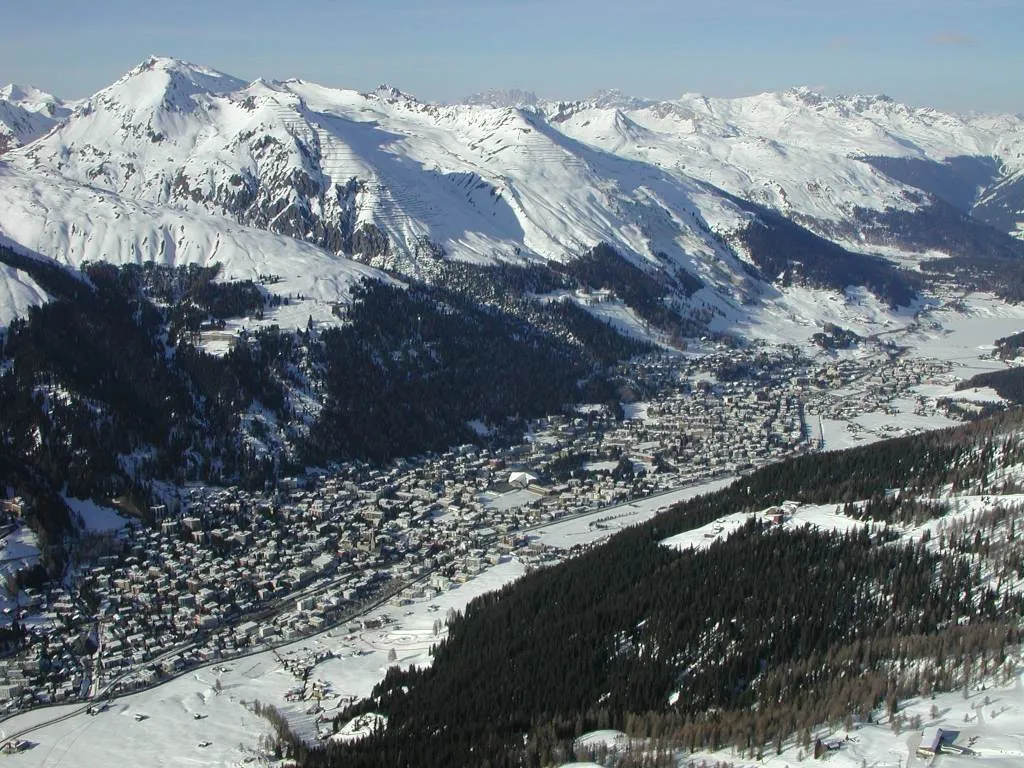
Europe remains a key continent for ski enthusiasts, with a proliferation of resorts. It’s fair to say that new resorts are being opened at regular intervals, although the quality of those destinations can vary somewhat. I enjoy a variety of winter sports and have been fortunate enough to visit a number of leading resorts. Here […]

The Algarve online resources can be overwhelming — so many blogs and guides all saying different things. I found the official tourism site combined with a few local Instagram accounts gave me the best honest picture. The western Algarve around Sagres is far less developed than the central strip and honestly more beautiful. Great region for a road trip.