The boulangerie opens at 6.30am and by 6.45am the queue is seven people deep. The woman at the front, a Parisian in her seventies, scarf knotted with the precision of a surgeon, collects her baguette and disappears into the metro without a word. The baker hands you yours. It is still warm. You tear off the end, the crust shattering in exactly the way it is supposed to, and you understand, in that moment, why the French have laws about bread. (They do, a baguette tradition must be made on the premises, with only flour, water, yeast, and salt, by decree since 1993.)
In This Article
France: The Country That Does Not Need You to Like It
France is the most visited country in the world, 89 million tourists in 2024, projected to exceed 100 million by 2027, and yet it has maintained an almost supernatural indifference to the demands of international tourism. This is its strength. France does not bend to accommodate you. It expects you to learn the rhythms, the codes, the pleasantry, always say bonjour when entering a shop, always, always, before asking for anything, and if you do, it opens up in ways that make the 89 million figure make sense.
Getting There (More Options Than You Think)
Eurostar from London St Pancras to Paris Gare du Nord takes 2 hours 16 minutes. The ferry from Dover to Calais (P&O, DFDS, Irish Ferries) takes 90 minutes and costs from £49 for a car and four passengers, the cheapest way to bring a vehicle across. The Channel Tunnel (Folkestone to Calais, 35 minutes) is faster but more expensive. Regional airports serve every corner: Ryanair and easyJet fly to 40+ French destinations from the UK; the budget airlines charge for everything except breathing, so factor in baggage fees when comparing prices.
Trains in France (SNCF) are excellent. The TGV network connects Paris to Lyon in 2 hours, to Marseille in 3 hours 17 minutes, to Bordeaux in just over 2 hours. Book OUIGO (the low-cost TGV service) 6-8 weeks ahead for fares as low as €10-19. The Intercités de Nuit (overnight sleeper trains) have been revived, Paris to Nice overnight, departing 9pm, arriving 9am, private couchette from €39. Waking up to the Mediterranean rolling past the window is one of the great travel experiences still available at a reasonable price.
Season Sense
Spring (April-June): The sweet spot. Warm enough for café terraces, not yet peak tourist density, and the light in Paris in May, the golden hour that stretches from 7pm to nearly 10pm, is so beautiful it feels like cheating. Summer (July-August): Hot, crowded, and expensive, but Provence in lavender season (late June to mid-August) and the Côte d’Azur in full swing are worth the scrum. Book everything 3-6 months ahead. Autumn (September-October): The grape harvest (vendange) in Burgundy and Bordeaux, cooler temperatures, thinning crowds. Arguably the best time to visit. Winter (November-March): The Alps for skiing, Strasbourg for the Christmas market (the oldest in France, running since 1570), and Paris for museums without queues, the Louvre in January is a different experience from the Louvre in July.
The Regional Divide
France is not one country in terms of landscape or culture. Brittany feels Celtic, the crêpes are buckwheat, the flag (the Gwenn-ha-du) flies everywhere, and the coastline alternates between granite cliffs and beaches that look like Cornwall. Alsace feels Germanic, half-timbered houses painted in pastels, wine served in green-stemmed glasses, choucroute (sauerkraut with sausages and pork) as the regional dish. Provence smells of thyme and lavender, the light is exactly as Van Gogh painted it (he was not exaggerating), and the rosé costs less than bottled water. The Dordogne has prehistoric cave paintings, Lascaux II, the meticulously recreated replica, is a UNESCO site in its own right, and medieval villages built into cliffs that have been inhabited continuously since the 13th century.
The French approach to tourism infrastructure is uneven in the best way, a Michelin-starred restaurant might be next door to a farm selling raw-milk cheese from a vending machine, and both are excellent. The Autoroute network (toll motorways, 11,000 km) is the best-maintained road system in Europe but expensive, Paris to Nice costs roughly €90 in tolls. The Route Nationale is free and infinitely more scenic but adds hours. Choose based on weather your holiday is about the destination or the journey. In France, the answer is usually both.
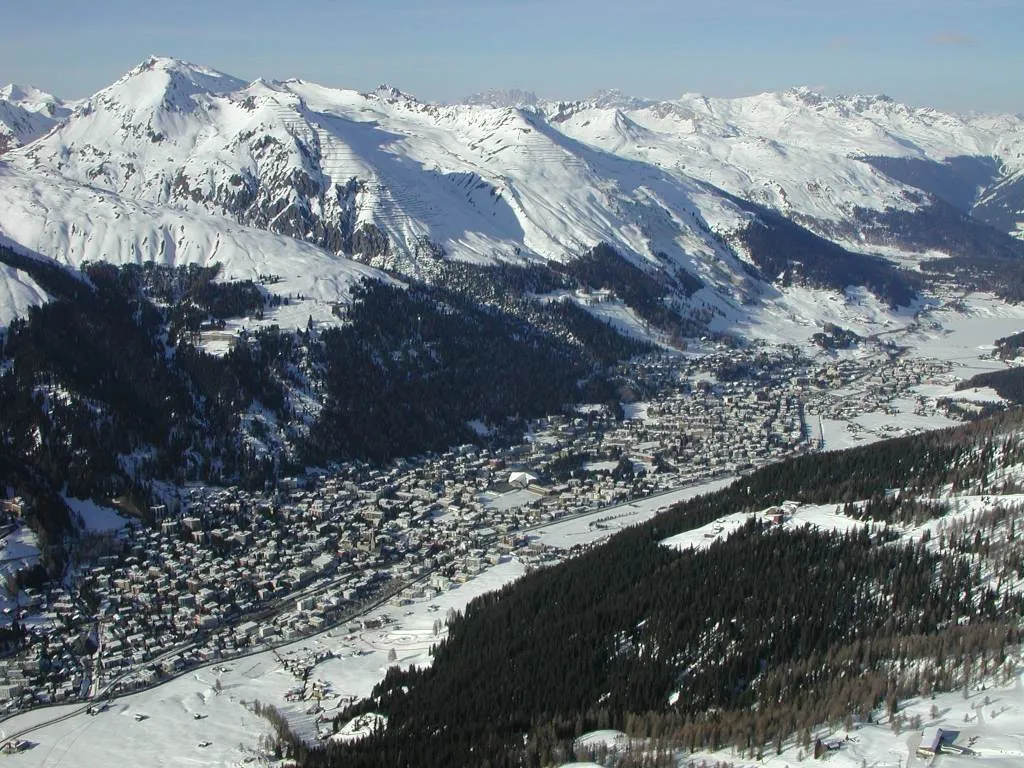
The Top 10 European Ski Resorts
Europe remains a key continent for ski enthusiasts, with a proliferation of resorts. It’s fair to say that new resorts are being opened at regular intervals, although the quality of those destinations can vary somewhat. I enjoy a variety of winter sports and have been fortunate enough to visit a number of leading resorts. Here […]
