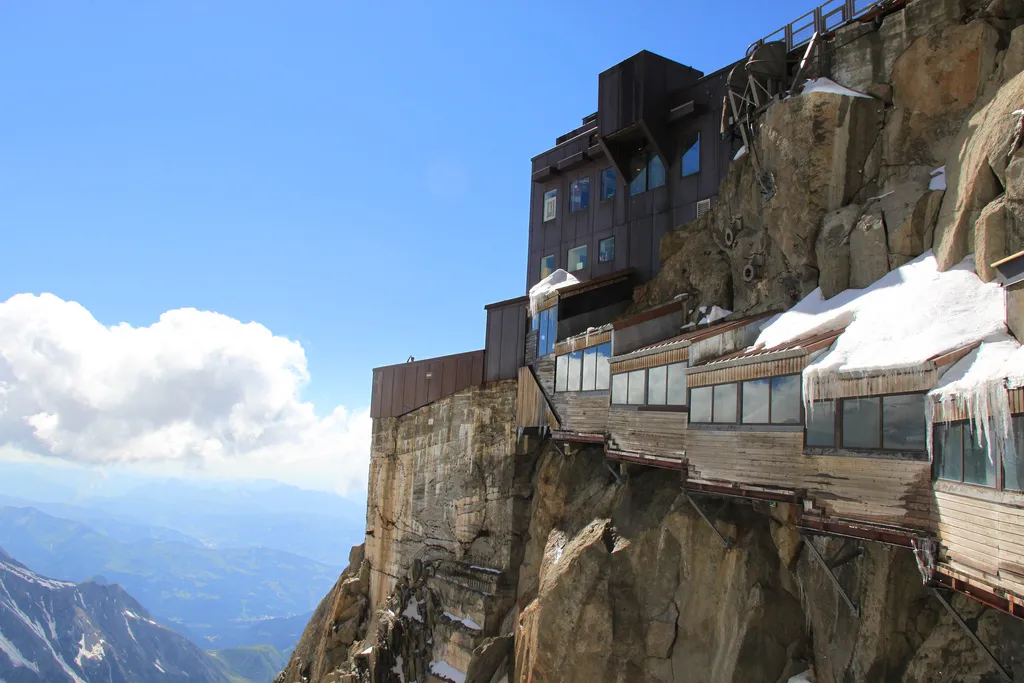
The massive stone walls of Trenčín Castle rise from a sheer cliff face high above the Váh River, their imposing silhouette dominating the skyline of the historic town below like a silent sentinel watching over the ages.
In This Article
The History of Trenčín Castle
Trenčín Castle is one of the most visited monuments in Slovakia, a magnificent medieval fortress that has stood guard over the town of Trenčín and the vital trade routes of the Váh River valley for over a thousand years. The castle’s origins date back to the 11th century, when a stone fortification was built on the site of an earlier Great Moravian settlement. Over the following centuries, the castle was expanded and fortified by successive owners, most notably the powerful Máté Csák of the Csák family, who ruled much of present-day Slovakia from this stronghold in the early 14th century. The castle reached its current form under the rule of the Zápolya family in the 15th and 16th centuries, when it was transformed into a Renaissance residence while maintaining its formidable defensive capabilities. The castle’s long and dramatic history includes sieges, fires, and reconstructions, each of which has left its mark on the structure we see today.
The Castle Layout and Key Features
Trenčín Castle is a sprawling complex divided into the upper, middle, and lower courtyards, each surrounded by defensive walls and towers. The upper castle is the oldest part of the fortress, dominated by the massive cylindrical keep that offers panoramic views over the town and the surrounding countryside. The keep is over 30 metres high and its walls are several metres thick, a testament to the castle’s original defensive purpose. The middle castle contains the palace buildings, including the Renaissance palace built for the Zápolya family and the Gothic palace dating from the 14th century. These buildings house the castle’s museum collections, which include period furniture, weapons, armour, and an exhibition dedicated to the history of the castle and its inhabitants. The lower courtyard contains the castle’s well, which descends over 80 metres through the solid rock of the cliff to reach the water table below. This well is one of the deepest in Central Europe and was a vital feature during the castle’s many sieges.
The Legend of the Roman Inscription
One of the most fascinating features of Trenčín Castle is the Roman inscription carved into the cliff face on which the castle stands. The inscription dates from 179 AD and records a victory of the Roman Legio II Adiutrix during the Marcomannic Wars, marking the northernmost reach of the Roman Empire in this part of Europe. The inscription translates as: “In honour of the Emperor Caesar Marcus Aurelius Antoninus Augustus, the Second Legion, Valiant and Mighty, camped here at Laugaricio.” This remarkable historical artifact confirms that the site of Trenčín was known to the Romans as Laugaricio and that a Roman military force of over 800 soldiers was stationed here for a campaign against the Germanic Quadi tribe. The inscription is one of the most important Roman artifacts found in Slovakia and visitors can view it from a specially designated viewing platform on the castle grounds. The presence of such an ancient inscription adds a profound historical depth to the castle and connects it to the wider story of the Roman Empire’s expansion into Central Europe.
The Town of Trenčín Below
The historic town of Trenčín that spreads out below the castle is itself a destination worth exploring. Trenčín is one of the oldest towns in Slovakia and its historic centre is a beautifully preserved example of medieval urban planning. The main square, Mierové námestie, is dominated by the Plague Column and surrounded by colourful townhouses with Gothic and Renaissance facades. The Town Tower, dating from the 16th century, offers another excellent viewpoint over the old town and the castle. The town is also known for its vibrant cafe culture and excellent restaurants serving traditional Slovak cuisine. The local specialities include bryndzové halušky, the national dish of potato dumplings with sheep cheese and bacon, and the region’s excellent wines from the nearby Small Carpathian wine region. Trenčín’s position on the main rail and road route between Bratislava and Žilina makes it easily accessible and an ideal stop on any journey through western Slovakia.
Events and Activities at the Castle
Trenčín Castle is not just a static museum but a living venue that hosts a wide range of events throughout the year. The castle’s courtyards are used for medieval festivals, knight tournaments, and theatrical performances that bring the history of the fortress to life. The annual Trenčín Castle Night Market transforms the castle into a vibrant marketplace with crafts, food, and entertainment. The castle also hosts concerts, art exhibitions, and educational programmes for schools and families. For those seeking a more active experience, the steep climb up to the castle from the town centre is a rewarding exercise that builds anticipation for the views and history that await at the top. The castle is open to visitors from April through October, with guided tours available in Slovak, English, and German. The combination of its dramatic setting, rich history, and lively programme of events makes Trenčín Castle a truly memorable destination for visitors of all ages.
Does the discovery of a Roman inscription carved into the rocks beneath a medieval castle change the way you think about the deep history of Central Europe?
Explore all our Europe travel guides, discover the best of the continent.
Explore More
If you enjoyed this article, you might also like:
- A Wales ‘Must See’ Wish List – Top Places To Visit In Wales | United Kingdom – View all posts in Castles and Palaces
- Castle Hotels in Europe: Plan a Royal Trip for You – View all posts in Castles and Palaces
- Castle Season: When to Visit Castles Around Gatwick Airport | UK – View all posts in Castles and Palaces
