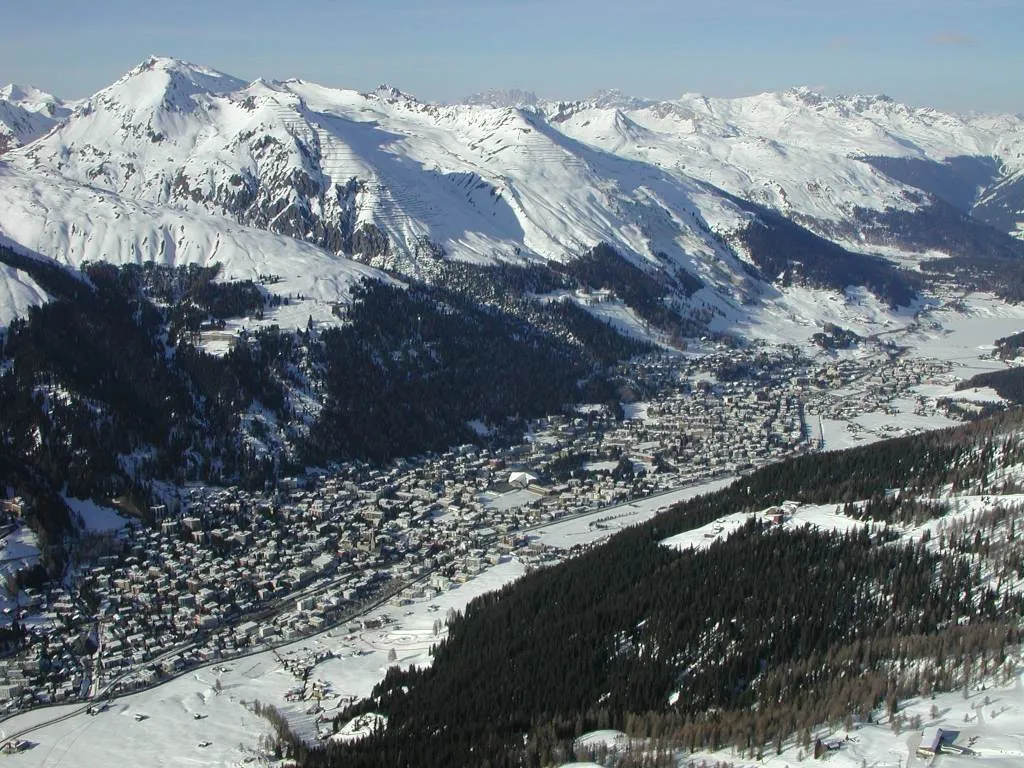
The volcanic landscape stretches before you as the rental car winds through lava fields and pine forests under a subtropical sun.
In This Article
Understanding Road Conditions and Signage
Driving in the Canary Islands is generally straightforward, with well-maintained roads and clear signage. The main highways, known as autopistas, connect the major towns and are toll-free across all islands. Speed limits are typically 120 kilometers per hour on motorways, 90 on major rural roads, and 50 in built-up areas. Signage follows European standards with distances in kilometers. Be aware that roads in mountainous areas can be narrow, winding, and occasionally steep. Some roads in rural areas are unpaved and may require a vehicle with higher ground clearance, particularly on the less developed islands.
Island-by-Island Driving Guide
Each island offers a distinct driving experience. Tenerife has the best road network, with the TF-1 and TF-5 motorways circling the island and the dramatic road through the Teide National Park climbing to high altitude. Gran Canaria’s GC-1 and GC-2 highways cover the coast, while the interior roads twist through barrancos, or ravines. Lanzarote’s roads are flatter and easier, perfect for exploring the volcanic Timanfaya National Park. Fuerteventura offers long straight roads through desert-like landscapes. La Palma and El Hierro have fewer roads but spectacular mountain drives with hairpin bends and stunning views at every turn.
Rental Car Tips and Requirements
Renting a car in the Canary Islands requires a valid driving license held for at least one year. European licenses are accepted directly, while non-European licenses typically require an International Driving Permit, though some rental companies accept foreign licenses with an official translation. A credit card is usually needed for the deposit. Book your rental in advance during peak seasons, as availability can be limited. Consider comprehensive insurance coverage, as the narrow roads and stone walls can be unforgiving. Check the fuel policy: some companies require you to return the car with a full tank, while others offer a prepaid option.
Parking and Fuel Considerations
Parking in the Canary Islands varies by location. Major towns have paid parking zones, often marked with blue lines, where you pay at a machine and display the ticket. White lines usually indicate free parking, and yellow lines mean no parking at all. Many hotels offer free or discounted parking for guests. Fuel stations are plentiful on the larger islands but can be sparse in remote rural areas on the smaller islands, so plan ahead. Petrol stations are normally self-service, and you pay at the counter after filling up. Most accept credit cards, but cash can be useful for smaller rural stations.
Unique Driving Challenges and Rewards
Driving in the Canary Islands presents some unique challenges. The strong crosswinds, particularly on Fuerteventura and Lanzarote, can affect vehicle handling. Mountain driving requires careful use of low gears to avoid brake overheating on long descents. Goats and other animals sometimes wander onto rural roads, especially at dawn and dusk. Fog can form at higher altitudes even when the coast is sunny. Despite these challenges, the rewards are immense: you can drive from a sunny beach through agricultural valleys up to misty pine forests and volcanic peaks, all in a single afternoon, experiencing multiple climate zones and landscapes.
Essential Documents and Insurance for Driving
Before driving in the Canary Islands, ensure you have the correct documentation with you. Your full valid driving license is required, and if it is from outside Europe, an International Driving Permit is recommended even if not strictly required. Carry your passport, rental agreement, and insurance documents at all times. European insurance typically covers the Canary Islands as they are part of Spain, but check your policy before traveling. Consider additional coverage for windshield damage and tire protection, as volcanic rock chips are common on rural roads. Keep a printed copy of your rental company’s emergency contact number in your phone and glove compartment.
Best Driving Routes for Scenic Views
Each Canary Island offers spectacular driving routes that showcase the archipelago’s dramatic landscapes. In Tenerife, the drive through Teide National Park climbs to over 2,000 meters, passing through pine forests and volcanic landscapes with views stretching to neighboring islands. Gran Canaria’s GC-200 coastal road hugs dramatic cliffs between Agaete and La Aldea, offering heart-stopping Atlantic views. Lanzarote’s LZ-301 winds through the Malpais de la Corona volcanic landscape, passing vineyards protected by stone windbreaks. Fuerteventura’s FV-207 crosses the Jandia Peninsula with views of sandy beaches on both sides. La Palma’s LP-1 traces the spine of the island through the Caldera de Taburiente National Park.
Which Canary Island would you most like to explore by car?
Explore all our Europe travel guides, discover the best of the continent.
Explore More
If you enjoyed this article, you might also like:
- Money-Saving Tips for Finding the Best Place to Stay in Europe – View all posts in Travel Tips
- Europe Craft Beer – View all posts in Germany
- Top 5 under the radar European Cities – View all posts in Travel Tips
