The wisteria on the wall of the Trastevere trattoria, a cascade of pale purple, the scent drifting across the piazza on a breeze that is exactly warm enough, drops a single petal into your glass of Frascati, and the Roman grandmother at the next table nods approvingly as if the wisteria has confirmed her opinion of the wine. Rome in spring is not just a season. It is a conspiracy between the climate, the light, and the city itself to make you fall in love with urban life all over again.
Why Spring in Rome Is Different
Temperatures in April and May hover between 15-23°C, warm enough for café terraces, cool enough for walking without the summer exhaustion. The rain, when it comes, is brief and dramatic (an afternoon thunderstorm that clears the air and leaves the cobblestones steaming). The crowds are manageable, the Easter peak passes in early April, and the summer crush (June-August, when the Colosseum queue stretches for 300 metres and the Vatican Museums feel like a contact sport) is still weeks away. The light, the Roman light, the light that drew Caravaggio, the light that the Grand Tour painters crossed Europe to capture, is at its most beautiful in May: golden, angled, the shadows deepening the texture of the baroque façades. The wisteria, in full bloom from late March to mid-May, drapes the walls of Trastevere and the Aventine Hill in purple and white, and the orange trees in the cloister of Santa Sabina (the ancient basilica on the Aventine, the oldest surviving Roman basilica, completed 432 CE) fill the courtyard with a scent that catches you off guard.
The practical advantages: Hotel prices in April and May are 20-30% lower than peak summer. The Vatican Museums queue, 2-3 hours in July, is often walk-in or a 20-minute wait in late April. The Colosseum timed-entry tickets are available at short notice. The restaurants are not fully booked every night. The Romans, freed from the summer siege, are more relaxed, more likely to engage, more likely to recommend the restaurant around the corner that is not in the guidebook. The spring Roman is a different species from the summer Roman: less harried, more generous, lighting their first cigarette of the afternoon on a bench in the Borghese Gardens with the air of someone who has been waiting for this particular day since November.
What to do in the spring light: The Vatican Museums at 8am (book the Prime Experience, €68, 7.30am entry, breakfast in the Pinecone Courtyard, the Sistine Chapel before the crowds, the ceiling, the Creation of Adam, the finger of God and Adam almost touching, the chapel silent except for the guards shushing anyone who speaks). The Borghese Gardens, the umbrella pines, the view from the Pincio terrace across the Piazza del Popolo, the boating lake (rent a rowboat for €4, the ducks, the turtles basking on the rocks, the children in the playground, the Romans walking their dogs and their lovers and their arguments). The Gianicolo (Janiculum Hill) at noon, the cannon fired daily since 1847 (the tradition established by Pope Pius IX to synchronise the church bells of Rome), the view across the city (the dome of St Peter’s, the Victor Emmanuel monument, the rooftops of Trastevere), the puppet theatre (the Teatro dei Burattini, the traditional hand-carved puppets, the shows in Italian that are comprehensible even if you do not speak the language because the puppets are expressive and the children are laughing).
The food of spring Rome: The artichokes (carciofi alla giudia, Jewish-style artichokes, deep-fried, the leaves crisp and golden, a speciality of the Roman Jewish community in the Ghetto since the 16th century, and carciofi alla romana, braised with garlic, mint, and white wine). The fava beans (served raw with pecorino romano, a Roman rite of spring). The strawberries from Nemi (the small, intensely flavoured fragoline di Nemi, sold at the markets in Campo de’ Fiori and Testaccio). The gelato, always, and in spring the seasonal flavours (fragola, the Nemi strawberries; fior di latte, the pure milk flavour that is the test of a good gelateria) are at their best. Giolitti (Via degli Uffici del Vicario, open since 1900) is the institution. Fatamorgana (multiple locations, the flavours more adventurous, pear and gorgonzola, basil and honey, the pistachio from Bronte, the best in Rome) is the modern classic.
The Top 10 European Ski Resorts
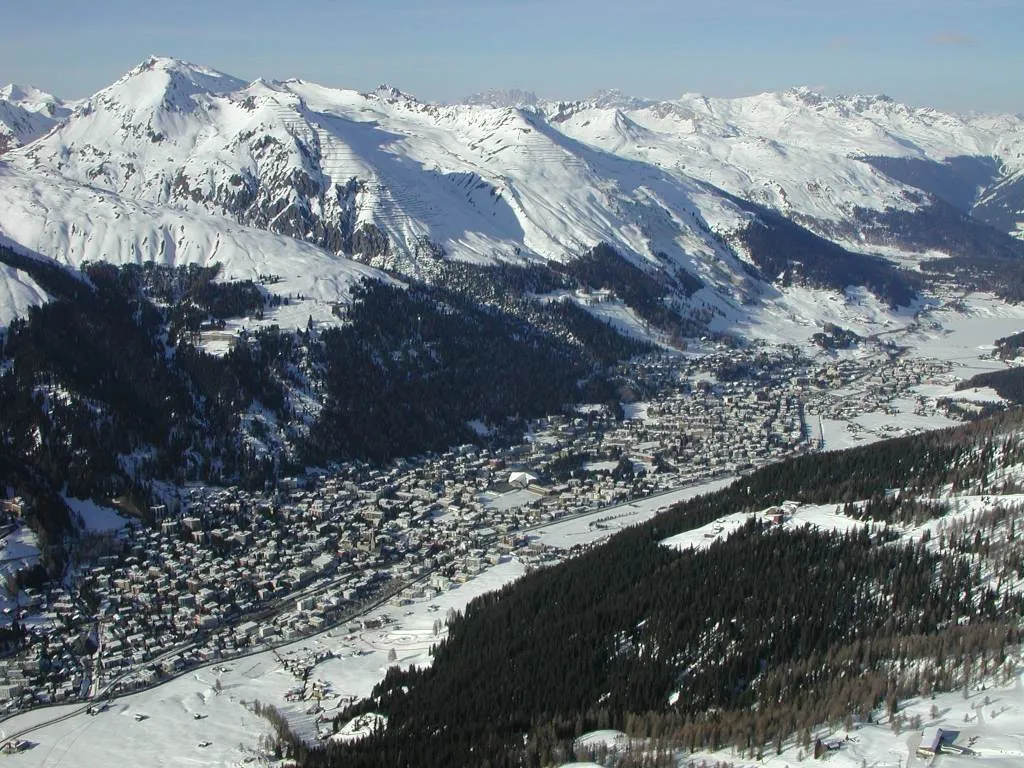
Europe remains a key continent for ski enthusiasts, with a proliferation of resorts. It’s fair to say that new resorts are being opened at regular intervals, although the quality of those destinations can vary somewhat. I enjoy a variety of winter sports and have been fortunate enough to visit a number of leading resorts. Here […]

Rome in spring really is the perfect time to visit. The weather is warm but not stifling, the wisteria is in bloom everywhere, and the crowds are manageable compared to summer. We did a sunrise visit to the Colosseum and had it almost to ourselves. The Trastevere neighbourhood at golden hour is pure magic. This guide is spot on.