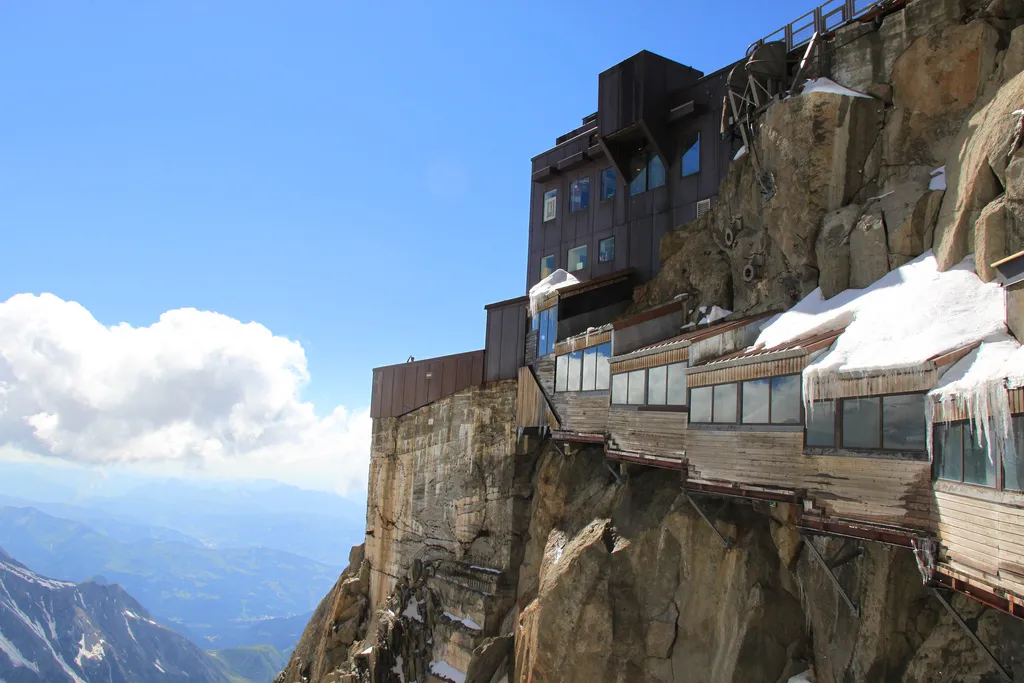
Few holiday experiences capture the spirit of Britain quite like renting a charming countryside cottage for a week away.
In This Article
Why Choose a Holiday Cottage in the UK?
Holiday cottages offer a uniquely British getaway that combines comfort, privacy, and a genuine sense of escape. Unlike hotels, a self-catering cottage gives you the freedom to set your own pace – cook your own meals, sleep in without housekeeping knocking, and enjoy a property all to yourself. For families, this is a game-changer; parents can relax in a lounge after the kids go to bed without worrying about noise complaints. Couples appreciate the romantic setting of a stone-built cottage with a log burner and exposed beams. Even solo travellers find solace in the quietude of rural properties. As of 2026, the average price for a week-long stay in a four-person cottage ranges from GBP 650 to GBP 1,400 depending on season and region, making it an affordable alternative to multiple hotel rooms. The variety is astonishing too – from converted barns and former watermills to coastal fisherman’s huts and grand manor wings. Many cottages now include modern amenities like fibre broadband, hot tubs, and smart heating, ensuring you never feel too far from civilisation while enjoying the rustic surroundings.
The Best Regions for Cottage Holidays
Britain’s diverse landscapes mean every region offers a distinct cottage experience. The Cotswolds remain the most popular destination, with honey-coloured stone villages like Bourton-on-the-Water, Stow-on-the-Wold, and Chipping Campden offering picture-perfect backdrops. Here you will find walking trails, cream teas, and antique shops in abundance. The Lake District, a UNESCO World heritage Site, draws walkers and water-sports enthusiasts to its glacial valleys and shimmering lakes. Cottages near Windermere or Keswick command premium prices but deliver unforgettable views. Cornwall and Devon dominate the coastal cottage market, with properties overlooking rugged cliffs, sandy coves, and surfing beaches like Fistral and Watergate Bay. The North York Moors and Yorkshire Dales offer rugged heathland and stone villages at more budget-friendly rates. Scotland’s Highlands and Islands provide the most remote experiences – think crofts on Skye, bothies near Glen Coe, and lodges overlooking Loch Lomond. For something truly unique, consider Wales: cottages in Snowdonia or the Brecon Beacons offer dramatic mountain scenery at a fraction of the price of equivalent English properties. As of 2026, the Lake District and Cornwall remain the most expensive regions, while Wales, Scotland, and Yorkshire offer the best value.
What to Look for in a Self-Catering Cottage
Booking a holiday cottage requires more thought than reserving a hotel room. Start with the location – check weather you need a car or if there are local pubs, shops, and bus routes within walking distance. Read reviews carefully for mentions of noise, damp, heating effectiveness, and bed comfort. The kitchen is critical for a self-catering stay; look for full-sized ovens, decent knife sets, and enough cookware to prepare proper meals. Many cottages advertise a dishwasher and washing machine as essentials rather than luxuries. Check the bedroom configuration carefully – some cottages list sleeping capacity based on sofa beds or twin rooms rather than proper double bedrooms. Bathroom provision matters too; one bathroom for six guests can mean queues every morning. Look for properties that clearly state which utilities are included. Heating, electricity, and Wi-Fi should be included in the price; extra charges for logs for the wood burner are common but should be disclosed upfront. Pet policies vary wildly – some cottages welcome dogs with dog beds and bowls provided, while others charge extra or restrict certain breeds. As of 2026, most reputable booking platforms require hosts to display a full inventory and amenity list, so use these to compare properties objectively rather than relying on photos alone.
Booking Tips for the Perfect Cottage Stay
Securing the ideal holiday cottage takes strategy, especially during peak periods. Book early – the best properties in popular regions like the Cotswolds and Lake District are often reserved six to twelve months ahead for summer and Christmas weeks. Consider mid-week breaks instead of Saturday-to-Saturday bookings, which are cheaper and less competitive. Use comparison sites like Sykes Cottages, Holiday Cottages, and Cool Cottages to widen your search, but always cross-reference reviews on independent platforms. Look for last-minute deals within two to four weeks of travel; many owners slash prices rather than leave properties empty. Insurance is worth considering – the Covid-19 pandemic highlighted the importance of flexible cancellation policies. As of 2026, most agencies offer a cancellation waiver for an additional fee, typically 5-8% of the booking total. Communicate directly with the owner or agency before booking – ask specific questions about heating, parking, and accessibility. A responsive host is usually a reliable one. Finally, read the small print on deposits, breakages, and cleaning fees. Some properties charge excessive cleaning fees that can add GBP 80-GBP 150 to your bill, which may not be justified if you are expected to strip beds and take out rubbish before departure.
Making the Most of Your British Cottage Break
Once you have booked your cottage, plan ahead to maximise your holiday. Pack smartly: bring slippers, a torch, basic toiletries, and a good book. Many rural cottages are miles from the nearest shop, so pre-order a grocery delivery from Tesco, Sainsbury’s, or the Co-op for arrival day. Plan a mix of activities – one day exploring nearby attractions, one day hiking or walking, and one day simply enjoying the cottage itself. Local pubs are the heart of British village life; research which ones serve food and book tables in advance, especially on weekends. Look for National Trust and English heritage properties nearby for fascinating day trips. If you are staying near the coast, check tide times before walking along beaches. Most importantly, embrace the slower pace that cottage life encourages – light the fire, play board games, cook a hearty meal, and enjoy the simple pleasure of being away from the rush of everyday life. A well-chosen holiday cottage creates memories that last far longer than the holiday itself, and with the variety and quality available across Britain as of 2026, there has never been a better time to book one.
Isn’t it time you escaped to a British holiday cottage and discovered the magic of a proper home-from-home getaway?
Explore all our United Kingdom travel guides, from London landmarks to the Scottish Highlands.
Explore More
If you enjoyed this article, you might also like:
- Gower Peninsula – Amazing Natural Beauty You’ll Never Forget | Wales, UK – United Kingdom
- Siccar Point rocky promontory in Scotland, United Kingdom – United Kingdom
- Culture and Art in London 2012 – United Kingdom
