The rental car key lands in your palm, a battered Renault Clio, 60,000 km on the clock, the faint smell of the previous renter’s sunscreen, and the woman at the desk says “the Galician coast is two kilometres that way” with a gesture that takes in the entire Atlantic horizon. You nod. You sign the form. Outside the terminal, the air smells of eucalyptus and salt, and you realise you have just hired a car in one of the most beautiful and least-visited corners of Spain.
La Coruña Airport (A Coruña, LCG): Gateway to Green Spain
La Coruña airport (código IATA: LCG) serves the city of A Coruña and the wider Galicia region, the northwestern corner of Spain that looks, climatically and culturally, more like Ireland than Andalucía. The airport handles about 1.3 million passengers annually; it is small, efficient, and a 15-minute drive from the city centre. Car hire here is the key to exploring a coastline of extraordinary variety, fjord-like rías, wild Atlantic beaches, and fishing villages where pulpo a la gallega (octopus with paprika, olive oil, and sea salt) costs €12.
Car Hire at LCG: What You Actually Need to Know
Airlines serving LCG: Vueling, Iberia, and Binter connect A Coruña to Madrid, Barcelona, Bilbao, Seville, and the Canary Islands. International connections are limited, Ryanair flies from London Stansted seasonally (April-October), which is part of why Galicia remains relatively undiscovered by mass tourism. Connecting through Madrid or Barcelona is standard.
Rental companies at LCG: Europcar, Hertz, Avis/Budget, Enterprise, and Sixt all have desks in the arrivals hall. Local operators, OK Rent a Car, Record Go, are often cheaper but have more restrictive insurance terms. Book 4-8 weeks ahead for the best rates; a compact car (manual) starts at approximately €25-35/day in shoulder season. Automatic transmission is significantly more expensive and must be booked well in advance, the Spanish rental fleet is overwhelmingly manual.
Insurance traps (universal across Spain, but worth repeating): The rental price includes third-party liability and collision damage waiver (CDW) with an excess (typically €600-1,200). The desk agent will offer to reduce or eliminate the excess for €15-25/day. Buy standalone excess insurance from a UK provider (€40-60/year) before you travel and decline the desk upsell. The hard sell at the counter, “your UK insurance will not be accepted here, you must take our cover”, is not true. Hold your ground. Politely. In Spanish if you can (“No gracias, ya tengo seguro completo”).
Fuel policy: Full-to-full is standard at LCG. Check the fuel gauge before driving off the lot; photograph it, and photograph the odometer. Some local operators still use full-to-empty (you pay for a full tank upfront and return empty), which is almost always worse value, you will either return the car with fuel still in the tank (which you paid for) or run the gauge dangerously low to avoid losing money.
What to drive (and where to drive it): Galicia has excellent motorways (autovías, A-6 from Madrid, AP-9 along the coast) and appalling minor roads, single-track, hairpin bends, sheer drops, and the occasional cow standing in the middle of the road with the placid expression of an animal that knows it has right of way. Rent a small car. The lanes in the fishing villages are medieval in width; a Clio is tight; an SUV is impossible. The coastal road from A Coruña to Cabo Fisterra (the “end of the earth,” the westernmost point of mainland Spain, where the Romans built a temple to the sun and medieval pilgrims continued past Santiago to watch the sun set over the Atlantic) is 100 km of lighthouse-dotted cliffs, pristine beaches, and roadside bars serving percebes (goose barnacles, a Galician delicacy, harvested from the wave-battered rocks at great personal risk by percebeiros, and costing €40-80/kg in the market, worth trying once for the flavour of brine and adrenaline).
Practical notes: A Coruña city has excellent public transport and limited parking; leave the car at the hotel for city exploration. The Tower of Hercules (the oldest working Roman lighthouse in the world, built in the 1st century CE, UNESCO-listed since 2009) is a 30-minute walk from the city centre; the view from the top, across the Atlantic, explains why the Romans chose this spot. The Paseo Marítimo (the seafront promenade, 13 km) is one of the longest urban promenades in Europe and the best place in the city to watch the sunset, ideally with a caña (small beer, €1.50) from one of the chiringuitos. The Cantóns, the glass-fronted galleries of the Avenida de la Marina, built in the 18th century to protect the waterfront from the weather, are unique to A Coruña and give the city its nickname: the Crystal City.
The Top 10 European Ski Resorts
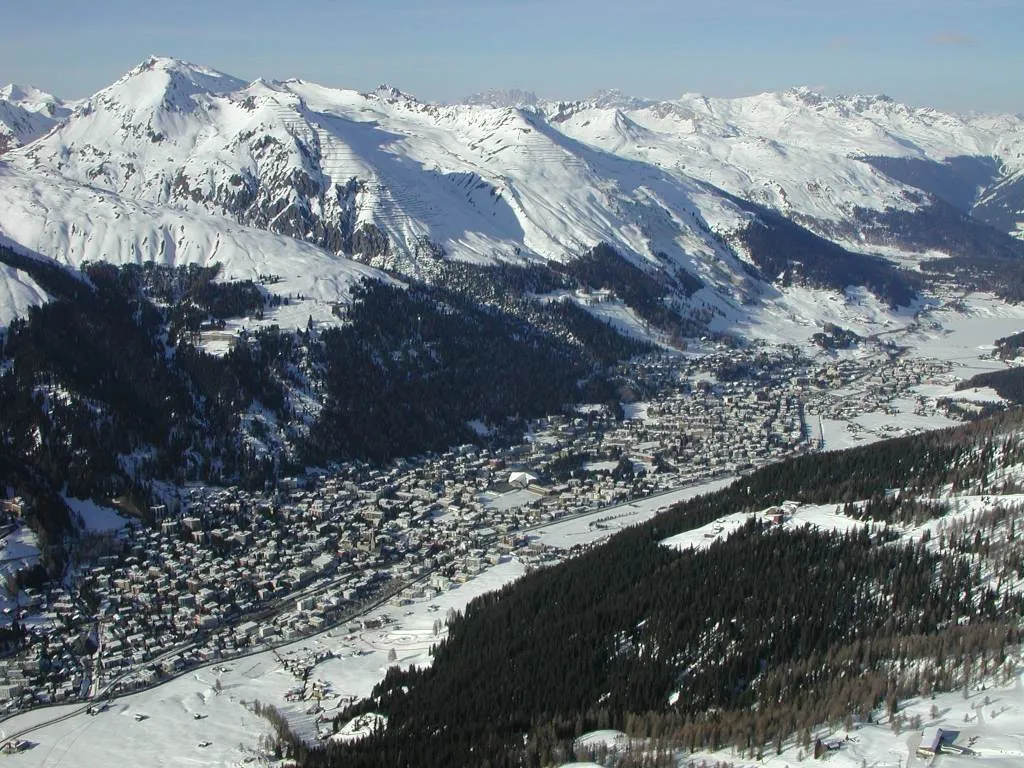
Europe remains a key continent for ski enthusiasts, with a proliferation of resorts. It’s fair to say that new resorts are being opened at regular intervals, although the quality of those destinations can vary somewhat. I enjoy a variety of winter sports and have been fortunate enough to visit a number of leading resorts. Here […]
