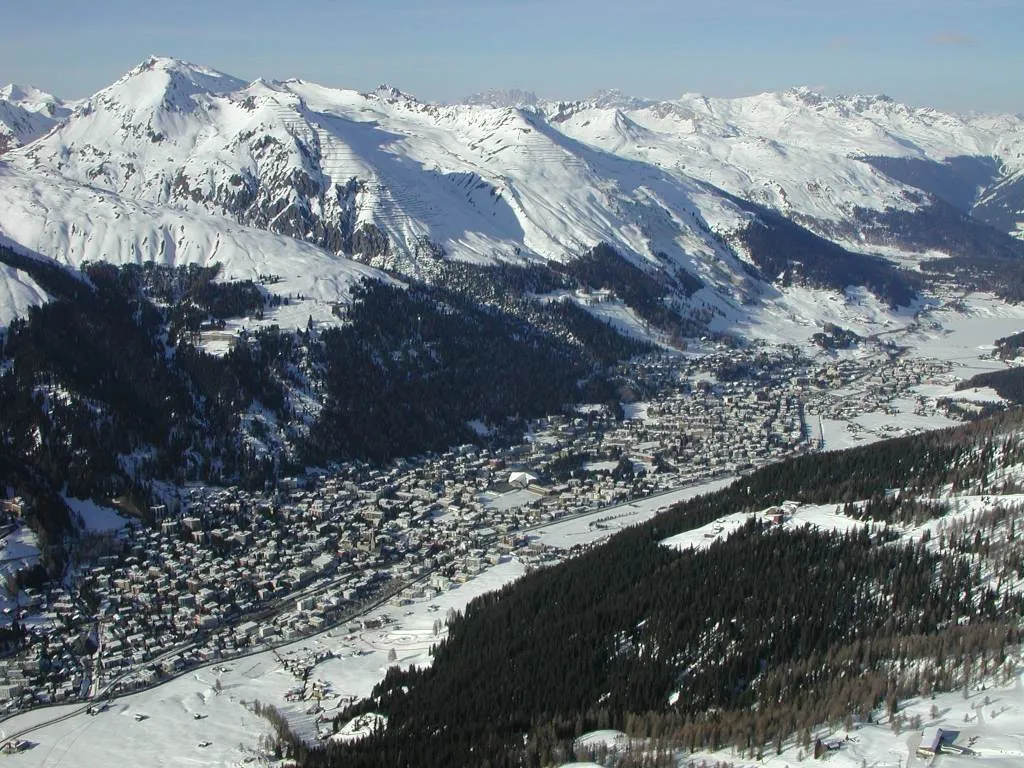
European trip rewards preparation. These ten tips cover the logistics that make the difference between a smooth journey and a series of avoidable frustrations.
In This Article
- 1. Travel by train whenever possible
- 2. Eat where locals eat
- 3. Book the big attractions ahead
- 4. Carry cash in Germany and Austria
- 5. Pack a reusable water bottle
- 6. Learn five words in the local language
- 7. Get a tourist card for major cities
- 8. Walk as much as possible
- 9. Master the local transport system
- 10. Embrace slow travel
1. Travel by train whenever possible
European rail network is civilised, scenic, and efficient. High speed trains connect major cities in hours, and regional trains reach remote villages no budget airline serves. The Eurail pass for those under 28 covers 33 countries. Booking train tickets in advance can reduce costs significantly, with advance fares sometimes costing half the walk up price. Night trains are making a comeback, with new sleeper services connecting Vienna to Paris and Berlin to Stockholm, saving both accommodation costs and travel time.
2. Eat where locals eat
The restaurant on the main square with laminated menus is not where you should eat. Walk two streets back, find the place with handwritten menus and no English translation. Local lunch menus offer the best value, serving a two or three course meal for a fixed price during weekday lunch. Street food markets have transformed European eating, with London, Berlin, and Barcelona hosting world class markets where quality rivals restaurant dining at half the cost.
3. Book the big attractions ahead
The Colosseum, the Sagrada Familia, and the Alhambra sell out weeks in advance during peak season. Book directly on the official site rather than through resellers to avoid inflated prices. Many museums offer free entry on certain days, and city tourist cards bundle entry to multiple attractions with queue skipping privileges. The skip the line benefit alone can save hours of waiting in summer.
4. Carry cash in Germany and Austria
Card acceptance is improving but cash is still king in much of central Europe. Many smaller shops and family run restaurants in Germany and Austria do not accept cards. Public toilets across Europe charge a small fee of 50 cents to one euro and rarely accept cards. Carry between 50 and 100 euros in small denominations. Avoid dynamic currency conversion at ATMs and always choose to be charged in the local currency.
5. Pack a reusable water bottle
Tap water is safe to drink across the Europe. The public fountains in Rome run continuously with cold spring water, and Munich, Vienna, and Zurich have excellent tap water. A reusable bottle saves money and reduces plastic waste. Many airports and museums now have free water refill stations. A collapsible bottle takes minimal space in a daypack and pays for itself within the first day of travel.
6. Learn five words in the local language
Hello, please, thank you, sorry, and cheers. These five words in the local language transform interactions. The effort signals respect and leads to warmer service, better recommendations, and sometimes even discounts. In countries where English is less commonly spoken, even a basic greeting changes the dynamic. Language learning apps can teach essential phrases in a few hours of practice.
7. Get a tourist card for major cities
The queue skipping benefit is the real value of tourist cards. A card costing 80 euros that saves three hours of queuing at the Colosseum is excellent value. Tourist cards typically include free public transport and free entry to dozens of museums. Calculate weather the card saves you money based on your itinerary. Cards are usually valid for 24 to 72 hours, so plan intensive sightseeing days around card validity.
8. Walk as much as possible
The city reveals itself on foot. The street you would not notice from the metro leads to a courtyard with a hidden bakery, a small church with a Caravaggio above the altar, a neighbourhood park where locals gather. Walking tours provide context that transforms buildings into history lessons. Many European cities have pedestrianised historic centres best explored without wheels. Good walking shoes are the single most important item in your luggage.
9. Master the local transport system
Every major European city has a public transport system. Download the local transport app for route planning and ticket purchasing. Learn the zone system, as many cities charge based on distance. Validate your ticket before boarding, as inspectors issue fines even to tourists who did not understand the system. Multi day passes work out cheaper than single tickets for more than two journeys per day.
10. Embrace slow travel
The most common mistake is trying to see too much in too little time. Three nights in one city is more rewarding than one night in three cities. Slow travel means spending a morning at a market, an afternoon in a park, and an evening at a neighbourhood restaurant where the owner remembers your order. Choose fewer destinations and experience them more deeply. The memories that last are not checkmarks on a list but moments when you felt you belonged.
What is the one piece of travel advice you give to everyone, the thing you learned the hard way?
Explore all our Europe travel guides, discover the best of the continent.
Explore More
If you enjoyed this article, you might also like:
- Top 10 European Dishes – View all posts in Travel Tips
- Searching for the Perfect Family Holiday in the UK – View all posts in Travel Tips
- Villas In Magaluf | Mallorca, Spain – View all posts in Spain
