Your shoes are the first thing to go. Not in the dramatic sense, they do not disintegrate, but you stop noticing them after the third mile, which is the precise moment a London walk transforms from exercise into something closer to time travel. The city peels back its layers when you slow down enough to look up.
Why London Was Built for Walking
London is not a beautiful city in the conventional sense, it is too chaotic, too patchwork, too many centuries jostling for the same pavement. But the chaos is the point. A walk from St Paul’s to Tower Hill passes Roman walls, Wren spires, brutalist office blocks, and a medieval pub that survived the Great Fire, all within twenty minutes. No museum can compete with that density of history under open sky.
The Five Walks That Rewire Your Sense of the City
The South Bank Stroll (Westminster to Tower Bridge, 3 miles): Start at Westminster Bridge before 9am, when the only people around are joggers and the river is glass. The London Eye creaks into motion at 10am. The skateboarders under the Southbank Centre have been there for decades, they are as permanent as the concrete. By the time you reach Tower Bridge, the tourists are out in force and you feel like you have seen the city wake up from backstage.
Hampstead Heath to Highgate (4 miles): Parliament Hill gives you the classic London skyline panorama, every landmark lined up, Canary Wharf glinting on the right. But the real prize is the walk through the woods to Kenwood House, where a Robert Adam library and a Rembrandt self-portrait sit in a neoclassical mansion that feels miles from anywhere. Highgate Cemetery at the end, Karl Marx’s grave, the Circle of Lebanon, Victorian funerary excess, is the perfect melancholic finish.
The Regent’s Canal (Little Venice to King’s Cross, 2.5 miles): The towpath starts in Little Venice, where narrowboats are painted in colours that should clash but do not. Past the London Zoo aviary (you can hear the birds for free), past the Nash terraces of Regent’s Park, past the floating bookshop in the barge at King’s Cross. The canal was an industrial artery; now it is a green corridor where herons outnumber delivery vans.
Greenwich to Blackheath (3 miles): The Cutty Sark sits in its dry dock like a beached whale, the last surviving tea clipper, capable of 17 knots under sail. Up through Greenwich Park to the Royal Observatory, stand on the Prime Meridian with one foot in each hemisphere, then out onto Blackheath where the sky suddenly opens up and London spreads out below you like a geological map.
The City of London on a Sunday (2 miles, circular): The Square Mile empties on Sundays, the bankers vanish, the coffee shops close, and the medieval street pattern emerges from beneath the skyscrapers. Start at Bank, walk past the Royal Exchange, through Leadenhall Market (Harry Potter’s Diagon Alley), past the Monument, into St Dunstan in the East, a bombed-out church turned public garden where palm trees grow among Gothic arches. It is the quietest walk in London, and the most surreal.
The Top 10 European Ski Resorts
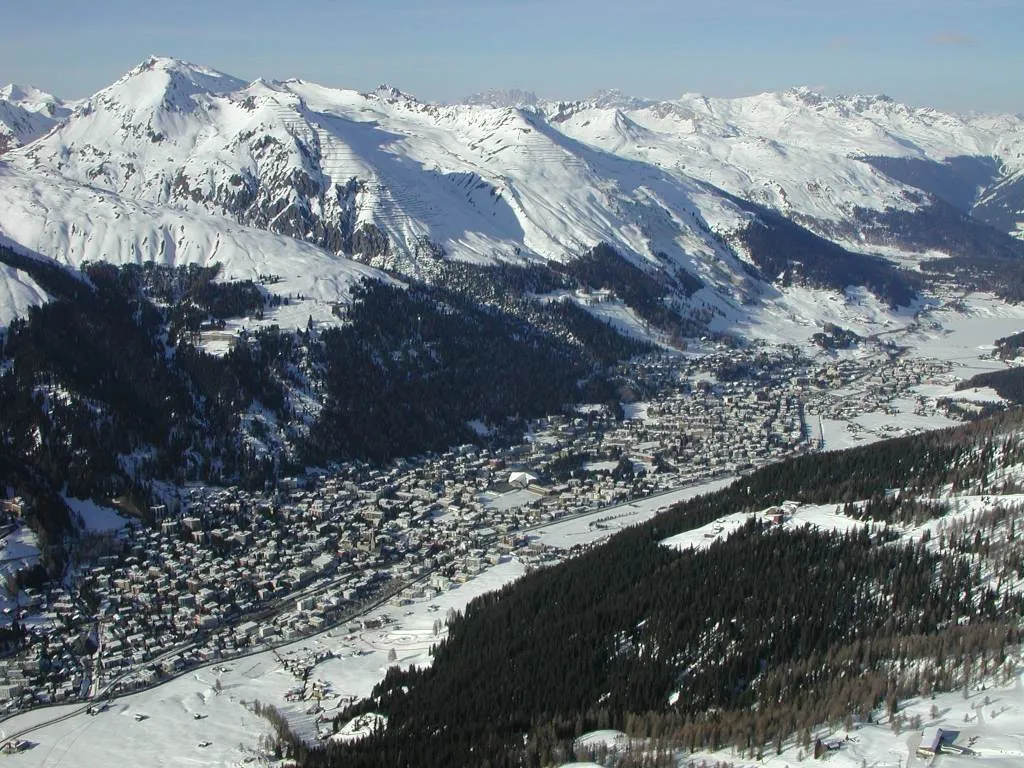
Europe remains a key continent for ski enthusiasts, with a proliferation of resorts. It’s fair to say that new resorts are being opened at regular intervals, although the quality of those destinations can vary somewhat. I enjoy a variety of winter sports and have been fortunate enough to visit a number of leading resorts. Here […]
