Things to see in Berlin | Germany
Updated June 10, 2026 by europeexplored
The Berlin air carries a charge that no other capital city can match. This is a place where history was made, broken, and remade within living memory, and the city wears every layer proudly. The Brandenburg Gate stands as the silent witness to two centuries of European history. The remnants of the Wall trace a scar through the urban landscape. And above it all, the glass dome of the Reichstag invites visitors to stand above their politicians in a powerful symbol of democratic transparency. Berlin does not offer a sanitised version of itself. It offers the real thing, raw and unmistakeable.
\n\n
One of the most vibrant and exciting cities in Germany is Berlin. Germany is famous for their beer, great food, and hospitality. Another great benefit of visiting Germany is that English is widely spoken. This is ever so apparent in the large city of Berlin. Here, are some fun activities and places to see in Berlin Germany.
\n
Holocast Museum
\n
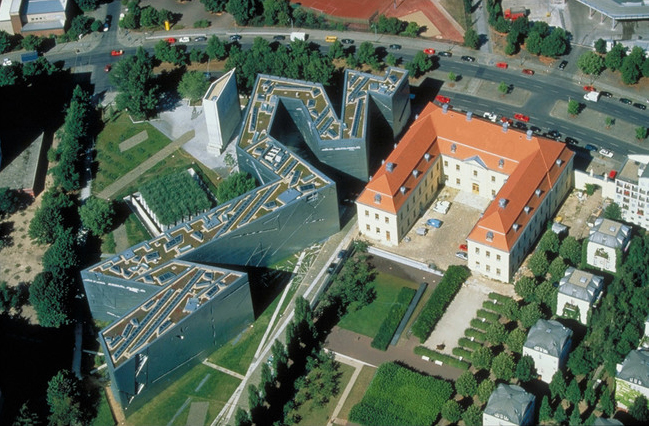
A must see in Berlin is the Jüdisches Museum. This museum shows the story of Berlin’s Jewish population. The museums beauty is more about the architecture itself rather than the artifacts contained within it. A more emotional visit can be had by visiting the Denkmal für die Ermordeten Juden Europas. This is a memorial dedicated to the lives lost in the Holocaust.
\n
\nHolocast Museum, Berlin, Germany by Studio Daniel Libeskind, Guenter Schneider
\n
Berlin Wall
\n
Anyone interested in more recent history should check out the Berlin wall. Though most of the wall has been destroyed, there is a restored area along the southern border of Wedding and Mitte. A visit to Checkpoint Charlie would be a terrific way to get a feel for the history. Checkpoint Charlie was the famous east-west border control which is now a tourist center. There is a one mile stretch running called the “East Side Gallery” which has been largely left alone to preserve the true history.
\n
The Berlin Zoo
\n
Though not the most famous in the world, the Berlin Zoo, is still a massive tourist attraction. The zoo contains almost 14,000 creatures, including many rare and endangered animals. The Berlin Zoo opened in 1841 and is the most popular zoo in Europe. A visit to the Berlin Zoo would be terrific for a family with children.
\n
Charlottenburg gardens
\n
No visit to Berlin would be complete visiting Charlottenburg gardens. The gardens are not only beautiful to see, but are rich in history. These gardens were restored after world war 2, and certainly will amaze anyone.
\n
\nCharlottenburg Palace and gardens, Berlin, Germany by Imamon
\n
Getting Around
\n
The Best way to get around Berlin is by rent a car it is really easy to drive in Berlin and the biggest car rental company in Berlin is Sixt Rental Cars.
\n
But the public transportation is also good but sometimes you can wait more then expected so renting a car is the safest bet.
\n
Berlin is a remarkable and vibrant city. weather young or old and no matter the activity preference, there is something to do for everyone. Berlin is a renowned tourist destination year round, as the ambiance is comfortable at all times. Often-times, because the city is so large, it is easy to find cheap lodging and transportation. A visit to Germany without seeing Berlin is an incomplete visit.\n
\n
The Holocaust Memorial and Jewish Museum
\n
The Memorial to the Murdered Jews of Europe, known simply as the Holocaust Memorial, occupies a full city block near the Brandenburg Gate. Two thousand seven hundred eleven concrete slabs of varying heights create a wave-like field that visitors can walk through, the ground sloping beneath their feet as the grey pillars rise above their heads. The effect is deliberately disorienting, creating a sense of isolation and reflection. Beneath the memorial, the Information Centre documents the personal stories of victims through letters, photographs, and biographical exhibits. The Jewish Museum Berlin, designed by architect Daniel Libeskind, is itself a work of emotional architecture. The zigzag building contains voids, empty spaces that cut through the structure representing the absence of Jewish life in Berlin during the Nazi period. The Garden of Exile, with its sloping grid of concrete columns, creates a feeling of instability and displacement. Together, these sites offer a profound exploration of German history that every visitor to Berlin should experience.
\n
The Berlin Wall and East Side Gallery
\n
The Berlin Wall fell in 1989, but its legacy remains visible across the city. The most famous surviving section is the East Side Gallery, a 1.3-kilometre stretch along the Spree River in Friedrichshain. After the Wall fell, artists from around the world painted murals on the concrete panels, creating an open-air gallery that documents the hope and euphoria of that historic moment. The most famous image, the Brotherhood Kiss between Soviet leader Leonid Brezhnev and East German leader Erich Honecker, has become an icon of the Cold War era. The Berlin Wall Memorial on Bernauer Strasse preserves a longer section of the border fortifications including the Wall itself, the death strip, the watchtower, and the documentation centre that explains the history of the division. Checkpoint Charlie, the most famous border crossing between East and West Berlin, now hosts a museum that tells the stories of daring escapes. The pavement markings tracing the route of the Wall through the city streets make it possible to follow the former border on foot.
\n
Charlottenburg Palace and Gardens
\n
Charlottenburg Palace is the largest palace in Berlin and a magnificent example of baroque architecture. Built at the end of the 17th century for Sophie Charlotte, the wife of Elector Frederick III, the palace was expanded throughout the 18th century to compete with Versailles. The State Apartments feature ornate ceiling frescoes, gilded staterooms, and a porcelain cabinet displaying the finest Meissen porcelain. The New Wing, added by Frederick the Great, contains the lavish Rococo apartments and the Gallery of Paintings with works by 17th and 18th century artists. The palace gardens, originally designed in formal French style and later remodelled as an English landscape park, stretch for 55 hectares behind the palace. The Belvedere, a small palace in the grounds, houses a collection of Berlin porcelain. The Mausoleum contains the tombs of King Frederick William III and Queen Louisa. The New Pavilion, a small neoclassical villa, displays paintings from the Romantic period. A visit to Charlottenburg offers a glimpse into the royal history of Prussia that contrasts sharply with Berlin modern identity.
\n\n
Which Berlin landmark would you visit first: the Brandenburg Gate, the Reichstag Dome, or the East Side Gallery? Tell us your pick.
\n
Explore all our Germany travel guides, from Berlin buzz to Bavaria castles.
Explore More
If you enjoyed this article, you might also like:
