The starting pistol, a sharp crack that echoes off the limestone cliffs of the Verdon Gorge, sends 200 trail runners surging forward into the pre-dawn darkness of Provence, the head torches bobbing like a constellation that has decided to go for a run. The Ultra-Trail du Verdon (UTV, 135 km, 8,000 metres of elevation, the route circling the deepest gorge in Europe, the Verdon, 700 metres from rim to river, the water turquoise, the cliffs vertical, the trail narrow enough in places that a stumble would be final) is not the kind of event that appears in mainstream travel brochures. That is the point. Sports tourism in Europe, the marathons, the cycle tours, the climbing trips, the surfing camps, the skiing expeditions, is the fastest-growing segment of the travel industry, and the reason is simple: the experience of a place is different when you are sweating in it.
Europe’s Best Adventure Destinations (by Sport)
Running (Marathon and Trail): The classic marathons, London (April, the ballot entry system, the 400,000 applicants for 50,000 places, the charity route the reliable alternative, the finish on the Mall, the roar), Berlin (September, the fastest marathon course in the world, seven of the last ten men’s marathon world records set here, the Brandenburg Gate the finish line, the flat course, the perfect conditions), Athens (November, the original marathon course from Marathon to the Panathenaic Stadium, the marble stadium rebuilt for the first modern Olympics in 1896, the finish on the track, the ghosts of Pheidippides cheering you home), are the headliners. The trail running events: the Ultra-Trail du Mont-Blanc (UTMB, Chamonix, August, 170 km, 10,000 metres of elevation, the most prestigious ultra-marathon in the world, the lottery entry system, the training needed, this is not a bucket-list impulse, it is a year of preparation). The costs: race entry (€80-300 depending on the event), flights, accommodation, the kit. The reward: the view from the top of the Col du Bonhomme at sunrise, the aid station at Champex-Lac, the finish line in Chamonix, the crowds, the noise, the sense of having completed something genuinely hard.
Cycling (Road and Mountain): The Alps, the Pyrenees, the Dolomites, the mountain passes of the Grand Tours (the Tour de France, the Giro d’Italia), are cycled by amateurs every summer. The climbs: Alpe d’Huez (21 hairpin bends, 1,120 metres of elevation, the average gradient 8.1%, the Dutch Corner, bend 7, the orange-clad fans, the beer, the noise, the most famous stretch of tarmac in cycling), the Passo dello Stelvio (48 hairpin bends on the eastern approach, the highest paved mountain pass in the Eastern Alps, 2,757 metres, the view from the top, the glaciers, the valley, the road winding below you like a grey ribbon). The logistics: the bike rental (€50-100/day for a road bike, book ahead in summer), the accommodation (the cycling-friendly hotels with the bike storage, the laundry, the high-carb breakfast), the safety (the descents, 70 km/h on a racing bike, the corners, the traffic, are the risk; the helmet is not optional, the cycling insurance, the repatriation, the medical cover, is strongly advised).
Climbing (Sport, Trad, and Via Ferrata): The Dolomites, the via ferrata (the “iron way,” the steel cables fixed to the rock face, the ladders, the bridges, the routes that range from beginner-friendly to genuinely terrifying), the Alta Via 1 (the traverse, the rifugi, the views), the history (the via ferrata were built by the Italian and Austro-Hungarian armies during the First World War to move troops through the mountains; the ladders, the cables, the tunnels, some of them still with the original ironwork, are a military relic turned adventure infrastructure), is the essential climbing destination. Chamonix, the granite spires of the Aiguilles, the multi-pitch routes, the guide required (the Compagnie des Guides de Chamonix, the oldest mountain guide company in the world, founded 1821), is the mountaineering hub. El Chorro (Spain, the limestone gorge, the Caminito del Rey, the King’s Little Pathway, the walkway pinned to the cliff face 100 metres above the river, the most famous via ferrata in Spain, €10, book weeks ahead) is the accessible option.
The Top 10 European Ski Resorts
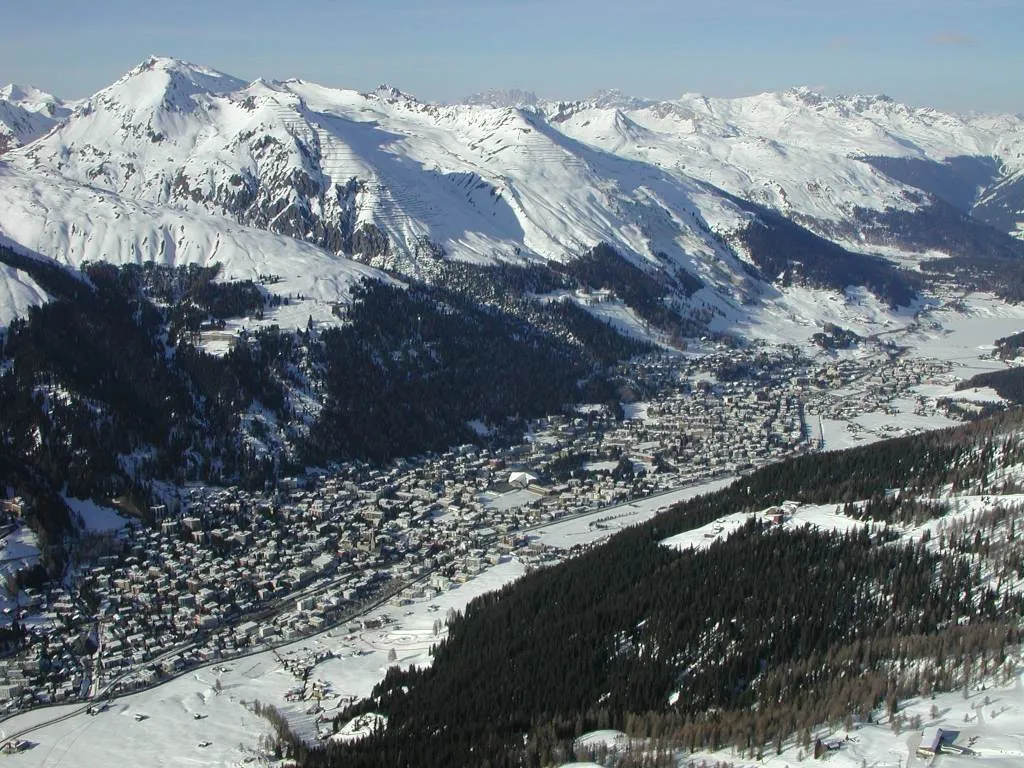
Europe remains a key continent for ski enthusiasts, with a proliferation of resorts. It’s fair to say that new resorts are being opened at regular intervals, although the quality of those destinations can vary somewhat. I enjoy a variety of winter sports and have been fortunate enough to visit a number of leading resorts. Here […]
