The yellow arrow, a simple spray-painted mark on a stone wall, the paint faded by sun and rain, the direction pointing westward, is the first thing you see every morning. The arrow appears on kerbstones, on tree trunks, on the backs of road signs. It guides you through industrial estates and vineyards, through villages where the church bell marks the hour and the only café opens at 7am for pilgrims. The Camino de Santiago, the Way of St James, the medieval pilgrimage route to the cathedral in Santiago de Compostela where the bones of the apostle are said to lie, is not a walk. It is a community of 300,000 strangers per year, united by a yellow arrow and the shared understanding that the destination is not the point. The walking is the point. The people you meet on the path, the German dentist walking off a divorce, the Korean student walking off a degree, the Brazilian grandmother walking because her husband walked it forty years ago and she promised him she would do it, are the Camino. The cathedral at the end is the excuse.
The Camino de Santiago: The Modern Pilgrimage
The Routes: The Camino Francés (the French Way, 780 km from St-Jean-Pied-de-Port to Santiago, the most popular route, 60% of all pilgrims) crosses the Pyrenees, the vineyards of La Rioja, the wheat fields of Castile, and the green hills of Galicia. The infrastructure, the albergues (pilgrim hostels, €6-12 per night, the dormitory beds, the communal meals, the snoring, the friendships formed over shared blisters), the waymarkers (the yellow arrows, the scallop-shell signs, the distance markers counting down the kilometres to Santiago), the pilgrim passport (the credencial, stamped at each albergue and church along the way, the completed passport entitling you to the compostela, the certificate of completion, at the pilgrim office in Santiago), is the best-supported long-distance walking route in the world.
The Daily rhythm: Wake at 6am. Pack the rucksack. Walk. Stop for coffee at the first village. Walk. Stop for lunch (the menú del peregrino, the pilgrim menu, three courses with wine, €10-12). Walk. Arrive at the albergue. Shower. Wash the socks. Explore the village. Attend the pilgrim Mass. Eat dinner with strangers who are now friends. Sleep. Repeat. The routine, the simplicity, the reduction of life to its essentials (walking, eating, sleeping, talking), is the Camino’s greatest gift. The outside world, the job, the emails, the responsibilities, the noise, recedes. The path, the yellow arrow, and the next village become the only things that matter. This simplification is not escapism. It is clarity. The pilgrims who arrive in Santiago are not the same people who set out from St-Jean. They are lighter. They have shed something, weight from the rucksack, weight from the mind, on the path. The Camino does not solve your problems. It just makes them quieter. Sometimes that is enough.
Beyond the Francés: The Camino Portugués (the Portuguese Way, 620 km from Lisbon or 240 km from Porto, the coastal route along the Atlantic, the beaches, the fishing villages, the seafood, is the scenic alternative). The Via Francigena (the Italian pilgrimage route, 1,000 km from Canterbury to Rome, the route that predates the Camino, the section through Tuscany, San Gimignano, Siena, the Val d’Orcia, the most beautiful walking in Europe). The St Olav’s Way (Norway, 640 km from Oslo to Trondheim, the Nidaros Cathedral, the northernmost medieval pilgrimage route, the landscape, the forests, the fjords, the midnight sun, entirely different from the southern routes). The pilgrim’s lands are not limited to Spain. Europe is crisscrossed with ancient footpaths, the routes of medieval faith that have been revived by a modern hunger for slow travel, for meaning, for the simple act of putting one foot in front of the other and walking toward something.
The Top 10 European Ski Resorts
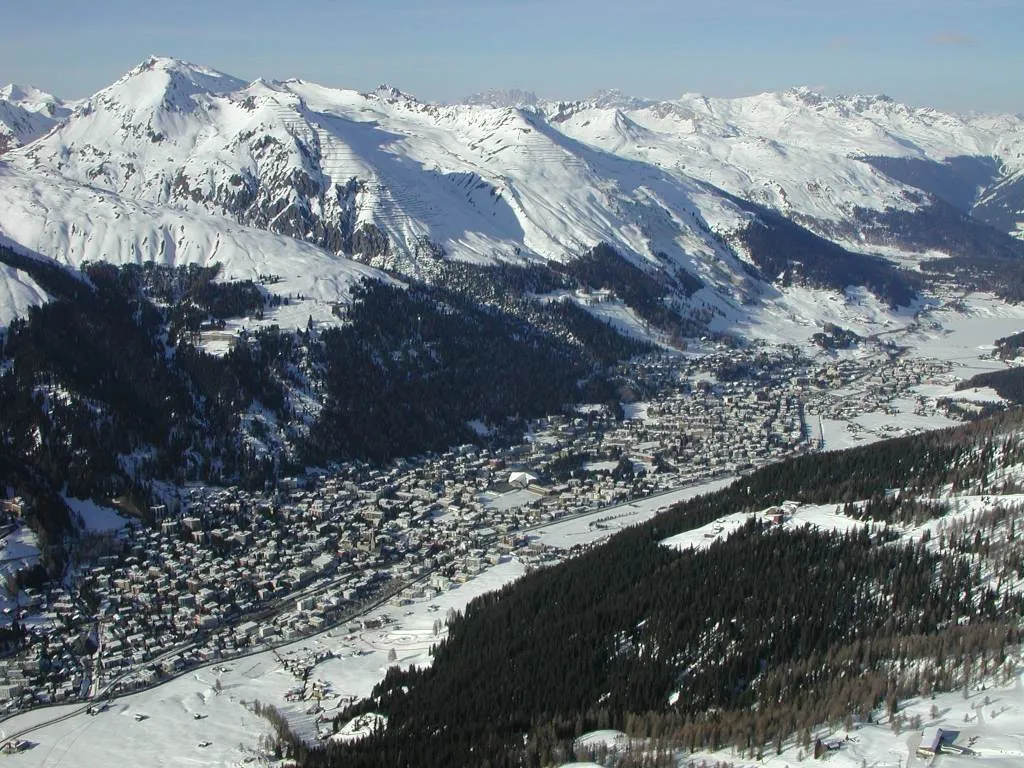
Europe remains a key continent for ski enthusiasts, with a proliferation of resorts. It’s fair to say that new resorts are being opened at regular intervals, although the quality of those destinations can vary somewhat. I enjoy a variety of winter sports and have been fortunate enough to visit a number of leading resorts. Here […]
