The mud sucks at your boot with a sound like a satisfied sigh. You are three miles into the Essex coast, the tide is out, the salt marsh stretches to the horizon in every direction, and the only other living thing you can see is an oystercatcher, black and white, orange beak, standing on one leg, regarding you with the calm indifference of a creature that has lived here for millennia and knows you will be gone by sundown. Essex, for reasons that have nothing to do with reality TV, is one of the wildest places in southern England.
In This Article
Essex: The County Everyone Gets Wrong
The Essex stereotype, fake tan, fast cars, a certain television programme, is lazy and wrong, but it has done the county an enormous favour: it keeps the crowds away from some of the most extraordinary landscapes in the country. The Essex coast is 350 miles of salt marsh, mudflats, and creeks that support one of the highest densities of overwintering wildfowl in Europe. The interior is gentle, agricultural, threaded with ancient lanes and villages that have not changed much since Constable painted them. (Constable country straddles the Suffolk-Essex border; Flatford Mill, the subject of The Hay Wain, is technically in Suffolk but spiritually belongs to both.)
The Essex Way (81 Miles, Epping to Harwich)
The Essex Way begins at Epping Underground station (Central Line, 40 minutes from central London), the only long-distance National Trail you can reach by Tube, and runs 81 miles northeast to the ferry port of Harwich, crossing the entire county. It is not the Lake District. It is flat, pastoral, and subtle in a way that rewards slow attention: a 14th-century church with a wooden spire, a field of rapeseed blazing yellow in May, a pub that has been serving ale since 1520. The trail is waymarked with a poppy (the Essex county flower) and is well-maintained but quiet, the kind of quiet where you can walk for two hours and see more hares than people.
Section highlights: Epping to Chipping Ongar (14 miles) passes through Epping Forest, 2,400 hectares of ancient woodland, a royal hunting forest since Henry II, and the Green Man at Toot Hill does a ploughman’s lunch that justifies the entire walk. Coggeshall to Dedham (12 miles) skirts the Colne Valley on the Suffolk border, with views that Constable would recognise. The final stretch into Harwich (12 miles) delivers the North Sea suddenly and dramatically, you round a bend, the land falls away, and there it is, grey and glittering and smelling of salt.
The Essex Way can be walked in 4-6 days, with accommodation in the villages along the route (book ahead, options are limited and fill in summer). All sections are accessible by public transport at both ends, which makes single-day walks practical. The complete route guide is available as a free PDF from Essex County Council.
The Essex Coast: Salt Marshes, Seals, and Sky
The Essex coast is not a beach-holiday coast. It is a wilderness coast, mud not sand, creeks not bays, and a particular quality of light reflecting off the water and the wide flat sky that the artist J.M.W. Turner came here to paint. Mersea Island (connected to the mainland by the Strood, a causeway that floods at high tide, check tide times before driving across) is known for oysters; the Colchester Native Oyster has been harvested here since Roman times (oyster shells have been found in the ruins of Roman Colchester), and the Company Shed on West Mersea serves them on a plastic tray with brown bread and lemon at rough wooden tables. Bring your own wine. It is the kind of place that trusts you to do so.
Walton-on-the-Naze has an 18th-century octagonal tower (the Naze Tower, built 1720 as a navigation mark, now an art gallery) and fossils, the cliffs are London Clay over 50 million years old, and fossilised sharks’ teeth, bird bones, and plant remains erode out of the cliffs with every storm. Bradwell-on-Sea has the Chapel of St Peter-on-the-Wall, built in 654 CE by St Cedd using stones from the abandoned Roman fort of Othona, one of the oldest churches in England still in regular use, standing alone on the sea wall, utterly exposed, utterly beautiful.
The Essex coast is not trying to be Cornwall. It is older, stranger, and entirely itself, a place where the land and the sea cannot quite agree on where the boundary lies, and the result is a landscape of extraordinary ecological richness and deep, unhurried quiet.
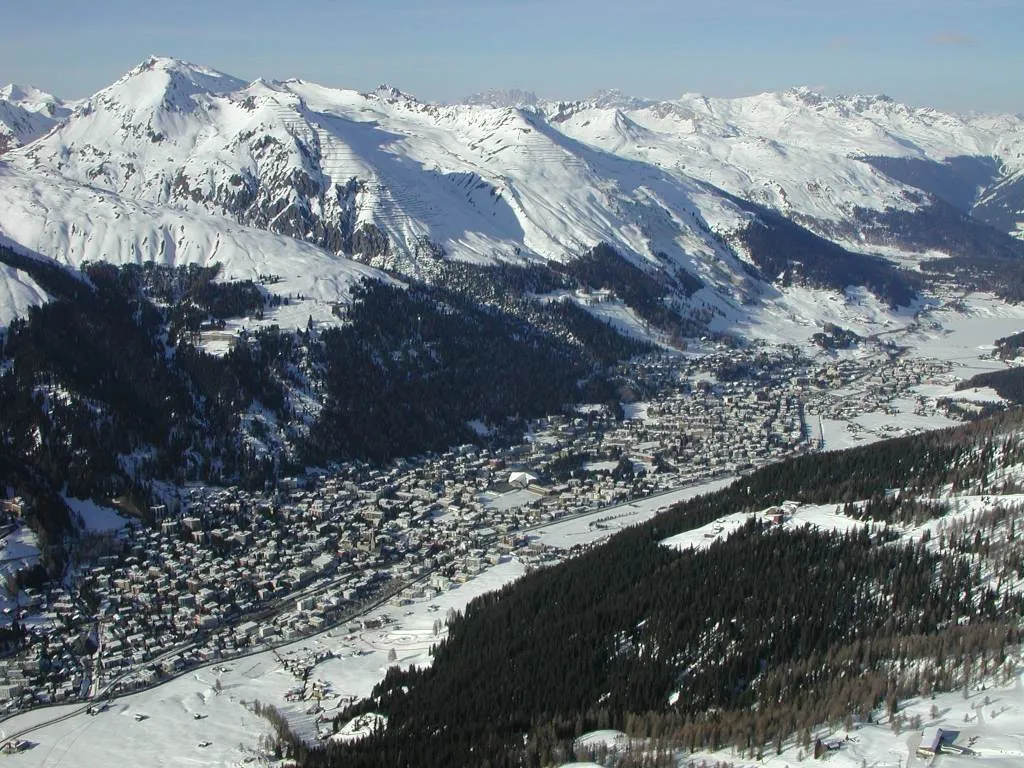
The Top 10 European Ski Resorts
Europe remains a key continent for ski enthusiasts, with a proliferation of resorts. It’s fair to say that new resorts are being opened at regular intervals, although the quality of those destinations can vary somewhat. I enjoy a variety of winter sports and have been fortunate enough to visit a number of leading resorts. Here […]
