The South West Coast Path at Golden Cap, the highest point on the south coast of England, 191 metres above the English Channel, the view stretching from Portland Bill in the east to Start Point in the west, is the moment the south of England reveals itself as something wilder and older than the Home Counties cliché. The cliffs here are 185 million years of Jurassic history, the fossils eroding out of the rock with every storm, and the coast path (630 miles, the longest National Trail in England) is the thread that ties the south together: a continuous walking route from Minehead in Somerset to Poole Harbour in Dorset, past smugglers’ coves, fishing villages, and the geological autobiography of a retreating coastline.
Southern England: Ten Things Worth the Journey
1. The Jurassic Coast by boat (Lyme Regis, Dorset): The fossil walks (daily, £12, the guides trained geologists, the ammonites and belemnites the common finds, the ichthyosaur bones the rare prize) are the classic experience. The boat trips from Lyme Regis harbour (€15, 60 minutes, the cliffs seen from the sea, the strata tilting, the faults visible, the entire geological story read from the water like the spine of a book, are the alternative perspective. The Mary Anning statue (unveiled 2022, the 12-year-old fossil hunter who discovered the first ichthyosaur skeleton in 1811 and changed palaeontology forever, the statue overlooking the beach where she made her discoveries) is the tribute that took 175 years to materialise.
2. The New Forest (Hampshire): The ponies, 5,000 of them, the commoners’ rights (the right to graze animals on the open forest, dating from the time of William the Conqueror, who designated the New Forest a royal hunting ground in 1079) still exercised by approximately 500 commoners, are the symbol of the forest. The walking is gentle, the cycling extensive (140 miles of cycle paths, mostly flat), the pub lunches (the Royal Oak at Fritham, the Oak Inn at Bank, the Pig at Brockenhurst) restorative. The Rufus Stone, a cast-iron marker at the spot where William Rufus (King William II) was killed by an arrow while hunting in 1100, the death officially an accident, the killer, Walter Tirel, fleeing to France, the circumstances suspicious enough to sustain 900 years of speculation, is the historical curiosity.
3. The Seven Sisters (East Sussex): The chalk cliffs between Seaford and Eastbourne, the Seven Sisters the most spectacular, the meanders (the dry valleys that cut through the chalk, formed by rivers during the Ice Age when the sea level was lower) the geological feature you did not know you were looking at. The walk from Birling Gap to Beachy Head (4 miles, the lighthouse at the foot of Beachy Head, 43 metres, built 1902, automated 1983, the red-and-white stripes the paint job of a seaside memory) is the essential South Downs experience.
4. Winchester (Hampshire): The cathedral, the longest medieval cathedral in Europe (170 metres), the Jane Austen grave in the north aisle (the inscription does not mention her writing, the omission a reflection of the times, not the cathedral’s current attitude; a brass plaque added in 1900 corrects the record), the Winchester Bible (12th century, the illuminated manuscript on display in the library, the colours, the lapis lazuli ultramarine, the vermilion, the burnished gold, still vivid after 850 years), is the centrepiece. The Great Hall, the only surviving part of Winchester Castle, the Round Table (King Arthur’s Round Table, a 13th-century fabrication painted with the names of Arthur’s knights, the Tudor rose at the centre dating the painting to the reign of Henry VIII) hanging on the wall, is the historical oddity.
5. The Cotswolds (Gloucestershire/Oxfordshire border): The villages, Bibury (William Morris called it “the most beautiful village in England,” the Arlington Row, a terrace of 14th-century weavers’ cottages, the stone roofs, the river Coln flowing past the front doors, is the most photographed street in the Cotswolds), Bourton-on-the-Water (the Venice of the Cotswolds, the shallow River Windrush crossed by five low stone bridges, the motor museum, the collection of British cars, the Aston Martins and Jaguars and the Morris Minors, the surprise), Painswick (the Rococo Garden, the yew trees, 99 of them, the legend that the hundredth will not grow because the devil will not permit it, the view from the garden across the Painswick Valley), are the attraction. The walking, the Cotswold Way (102 miles, Chipping Campden to Bath, the limestone escarpment, the beech woods, the views across the Severn Vale to the Malvern Hills and the Black Mountains of Wales), is the deeper pleasure.
The Top 10 European Ski Resorts
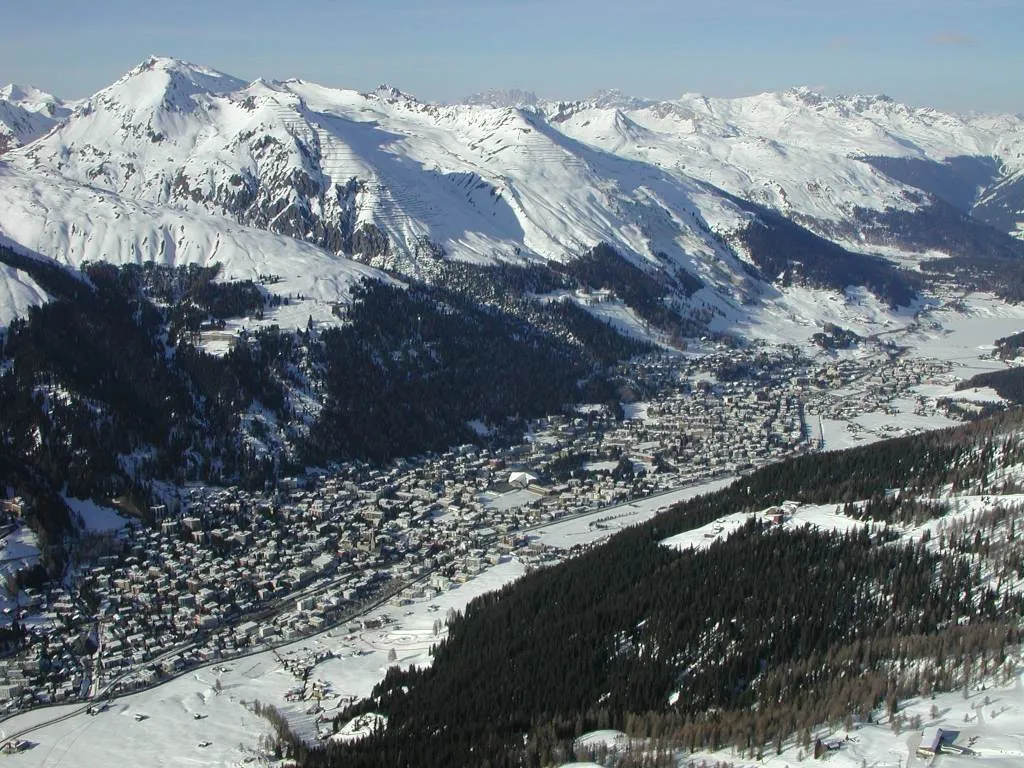
Europe remains a key continent for ski enthusiasts, with a proliferation of resorts. It’s fair to say that new resorts are being opened at regular intervals, although the quality of those destinations can vary somewhat. I enjoy a variety of winter sports and have been fortunate enough to visit a number of leading resorts. Here […]
