You are sitting at your desk, the fluorescent light flickering gently above your head, the spreadsheet on your screen unchanged for the last 20 minutes, and the photograph of the beach, your phone wallpaper, the turquoise water and the white sand of the holiday you took in September, is glowing in your peripheral vision like an accusation. You do not hate your job. You hate the fact that your job happens in a building, at a desk, for eight hours a day, 48 weeks a year, and that the photograph on your phone is not your life but a two-week interruption of it. The question, can you build a career that is also a life of travel?, is not a fantasy. The digital nomad economy is real, the remote work revolution of the 2020s has made location-independent work accessible to millions, and the career alternatives for travel lovers now include jobs that pay real money, in real industries, from anywhere with a Wi-Fi connection. Here are the best career alternatives for people who love to travel.
Career Alternatives for Travel Lovers
- 1. The freelance knowledge worker, the most flexible option: Writing, editing, design, coding, translation, marketing, consulting, bookkeeping, project management, any job that happens primarily on a laptop can be done remotely, and the freelance economy has created a global marketplace for these skills. The essential platforms: Upwork (the largest, the gigs range from the $10 logo design to the $10,000-a-month long-term client. Build a portfolio, get the first reviews, and the work starts to find you), Fiverr (the productised services, “I will write a 1,000-word travel article for $100.” The platform takes 20%, and the volume business can be lucrative), and Toptal (the premium platform, the top 3% of freelancers, the rigorous screening process, and the clients who pay $100–200/hour. For the experienced professional only). The essential skill: the skill that travels, coding (the web developers, the app developers, the data scientists), writing (the copywriters, the content marketers, the technical writers), and design (the UX designers, the graphic designers, the brand strategists). The essential income: a freelance income of £2,500–3,000/month is comfortably achievable for a competent professional in any of these fields, and £2,500/month is enough to live well in most of the world, Thailand, Vietnam, Portugal, Mexico, and the affordable cities of Eastern Europe. More travel tips →
- 2. The travel industry worker, the insider option: Tour guide, yacht crew, ski instructor, diving instructor, flight attendant, cruise ship worker, travel photographer, travel writer, the jobs that happen in the places other people pay to visit. The essential qualifications: the TEFL certificate (Teaching English as a Foreign Language, the £200 online course, the jobs in China, South Korea, Vietnam, and the Middle East that pay £1,500–3,000/month plus accommodation. The essential qualification for the career changer who wants to live abroad), the Divemaster (PADI, the professional diving qualification, the jobs in Thailand, Indonesia, Egypt, and the Caribbean. The pay is modest, £500–1,000/month, and the lifestyle is the compensation. The Divemaster course costs ~£1,500 and takes 4–8 weeks), the skipper’s licence (the RYA Yachtmaster, the professional sailing qualification, the jobs in the Mediterranean, the Caribbean, and the Indian Ocean. The pay: £2,000–4,000/month for the crewed charters, and the lifestyle, the sea, the sun, and the most beautiful office in the world), and the ski instructor certification (the BASI, the CSIA, or the national equivalent, the winter in the Alps, the Rockies, or the Andes, and the summer in the southern hemisphere. The pay: £1,500–3,000/month, and the season, November to April in the northern hemisphere, leaves the summer free for the next adventure)
- 3. The online entrepreneur, the long game: The travel blog, the YouTube channel, the e-commerce store, the digital product (the e-book, the online course, the subscription newsletter), the businesses that you build once and that earn money while you sleep. The reality: the travel blog that pays for your lifestyle is hard. Very hard. The successful travel bloggers, Nomadic Matt, The Blonde Abroad, Adventurous Kate, have been working at it for 10–15 years, and the income (the affiliate marketing, the sponsored content, the digital products) is the result of a decade of consistent work. The easier path: the niche e-commerce store (the dropshipping model, the supplier in China, the Shopify store, and the Facebook ads that find the customers. The margins are thin, the competition is fierce, and the successful store, one in 20, earns £3,000–10,000/month), the subscription newsletter (Substack, the paid newsletter, the niche, the newsletter about a specific aspect of travel, a specific region, or a specific lifestyle. The £5/month subscription, the 1,000 subscribers, and the £5,000/month income, the maths is simple, the execution is hard. The writers who have succeeded, the honest voices, the unique perspectives, and the years of consistent publishing), and the freelance-to-agency transition (the freelancer who hires other freelancers, the agency that handles the projects, and the income that scales beyond the hours you can personally work. The travel content marketing agency, the remote web development agency, the specialist translation agency, the model is proven, and the travel-friendly lifestyle is the same)
- 4. The seasonal worker, the half-and-half life: The summer in the UK (the festival work, the hospitality, the agricultural work, the fruit picking, the vineyard work, and the seasonal jobs that pay the rent for six months), and the winter in Asia, South America, or the cheap corners of Europe (the savings from the summer funding the winter of travel). The seasonal work life is not glamorous, the work is hard, the pay is modest, and the summer is a financial sprint, but the reward is the six months of travel, every year, for as long as you can sustain the cycle. The essential jobs: the ski season (November–April, the chalet host, the ski technician, the chef, the accommodation is included, the pay is £1,000–1,500/month, and the skiing is free), the summer season in the Mediterranean (the yacht crew, the beach bar work, the villa management, the accommodation is cheap, the pay is £1,000–2,000/month, and the sun is free), and the cruise ships (the 6-month contracts, the mass-market lines, the pay is £800–1,500/month, the accommodation and the food are included, and the ship visits 20 countries in a season. The work is hard, the hours are long, the living quarters are small, and the experience is unforgettable)

7 Of The Best French Ski Resorts For 2013
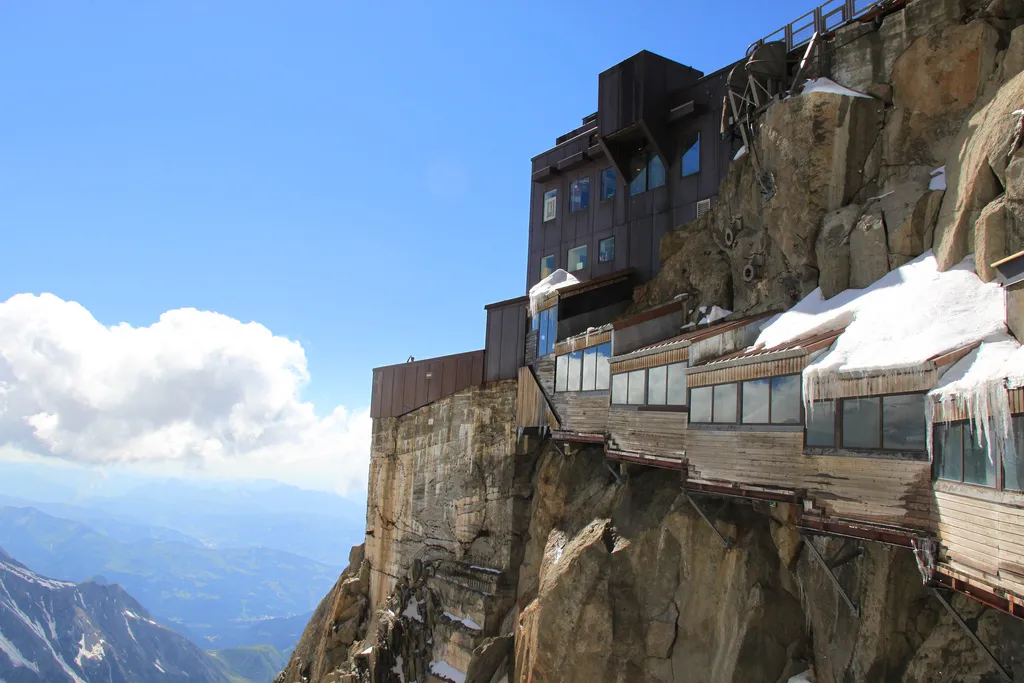
France is the most popular tourist destinations in the world. According to the UNWTO, 79.5 million tourists arrived in France in 2011. From Paris and Versailles to the French Riviera and the Alps, France abounds in tourist attractions. For Britishers, France has been the traditional destination for skiing holidays. Each year, millions of British tourists […]
