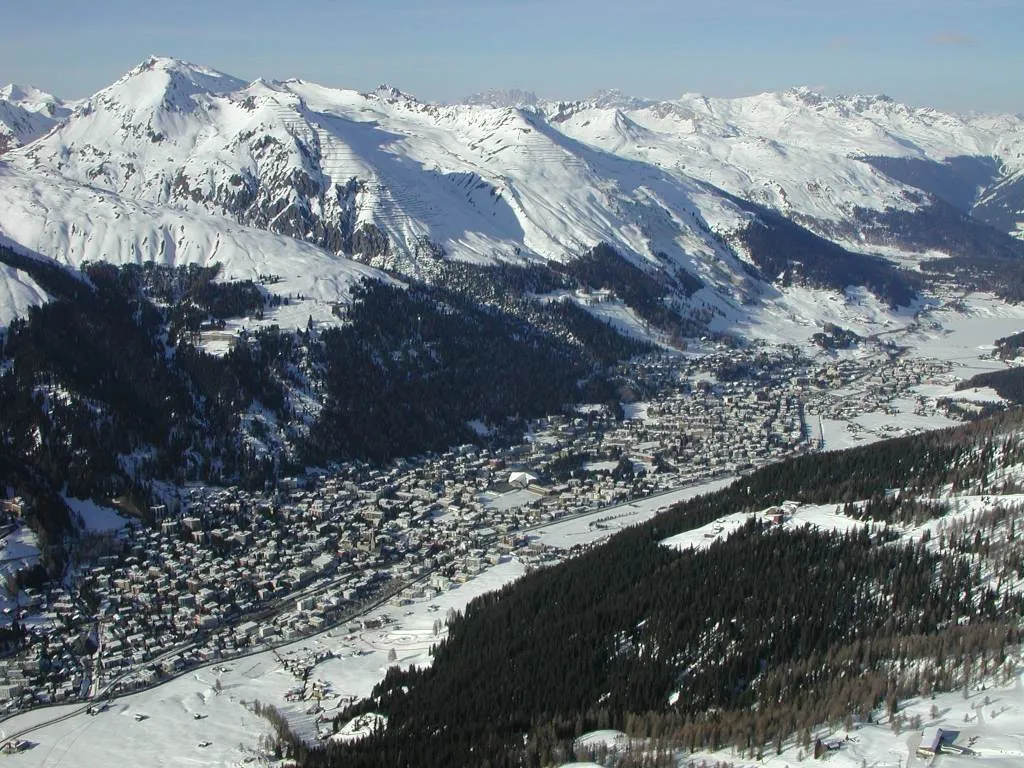
The mountain beckons, but which set of equipment will you choose for your descent – two boards strapped together or one board strapped to both feet?
In This Article
The Fundamental Differences
The debate between skiing and snowboarding has divided mountain enthusiasts for decades. At its core, the choice comes down to a fundamental difference in stance and movement. Skiing involves standing with your feet parallel, each on a separate ski, with poles in your hands to aid balance and propulsion. Snowboarding places both feet on a single board, with your body facing sideways, and no poles. This difference in equipment creates entirely different experiences on the mountain. Skiing feels more natural to many beginners because the legs move independently and the body faces forward, similar to walking or running. Snowboarding requires a sideways stance that can initially feel awkward, and the sensation of having both feet locked to a single board takes some getting used to. However, once the basics are mastered, many snowboarders find their sport more fluid and intuitive than skiing.
The learning curve is one of the most significant differences between the two sports. Skiing typically allows for a gentler learning progression. Beginners can start on gentle slopes, learning to make a wedge or pizza shape with their skis to control speed, and gradually progress to parallel turns. Most people can manage their first easy run within a day or two of lessons. Snowboarding, by contrast, has a steeper initial learning curve. Beginners spend a considerable amount of time falling over, often experiencing sore wrists, knees, and tailbones in the process. The sensation of having both feet attached to a single board can be counterintuitive at first. However, once the basics of edge control are understood, the progression to intermediate and advanced levels is often faster for snowboarders than for skiers. Many snowboarders report that after the first few difficult days, the sport becomes increasingly natural and enjoyable.
Terrain and Style
The type of terrain you prefer can influence weather skiing or snowboarding suits you better. Skiers have a distinct advantage on flat terrain and traverses. Because they can use poles to push and glide, skiers can navigate long, flat sections of a run with relative ease. Snowboarders, on the other hand, struggle on flat terrain. With both feet strapped to one board and no poles, they must unclip and shuffle or hop to move across flat areas. This is one of the most common frustrations for snowboarders. In deep powder snow, however, snowboarding truly shines. The single board provides excellent flotation, allowing snowboarders to float effortlessly through deep snow in a way that can feel almost magical. Skiers can also enjoy powder, but they need to work harder to keep their tips up and maintain speed in deep conditions.
In the terrain park, both sports have their strengths and devoted followers. Snowboarders dominate in halfpipes, where the ability to ride wall-to-wall on a single board allows for fluid, stylish transitions. Skiers have traditionally held an advantage in rail riding and jibbing, although this gap has narrowed significantly in recent years as more skiers adopt twin-tip skis designed for park riding. In moguls and bumpy terrain, skiers generally have an easier time because their legs can absorb bumps independently. Snowboarders must absorb moguls with their entire body in a unified motion, which can be more physically demanding. Off-piste and backcountry terrain is enjoyed equally by both groups, though the approaches differ. Skiers use poles for traversing and climbing, while snowboarders may use splitboards that convert into skis for the ascent and back to a board for the descent.
Cost and Equipment Considerations
The cost of getting started can influence the choice between skiing and snowboarding. Snowboarding equipment is generally less expensive than ski equipment. A complete snowboard setup, including board, bindings, and boots, typically costs less than a complete ski setup of skis, bindings, poles, and boots. Snowboard boots are also more comfortable for walking, with soft, flexible materials that feel more like sturdy winter boots. Ski boots are rigid, uncomfortable for walking, and require careful fitting to ensure proper performance. Rental costs follow the same pattern, with snowboard rentals typically being cheaper than ski rentals. However, the difference is not enormous, and both sports require significant investment if you decide to purchase your own equipment.
Clothing requirements are largely similar for both sports. Both require waterproof jackets and trousers, gloves, goggles, and helmets, which are now strongly recommended for everyone regardless of ability. One unique consideration for snowboarders is the need for wrist guards. Snowboarders instinctively put their hands out to break falls, and wrist injuries are common among beginners. Many snowboarders also choose to wear padded shorts or impact shorts to protect their tailbone during the learning phase. Skiers are more prone to knee injuries, particularly to the anterior cruciate ligament, due to the twisting forces that can occur when a ski catches an edge. Both sports carry risks of head injury, which is why helmet use has become nearly universal on modern ski slopes. Ultimately, the choice between skiing and snowboarding should be based on your personal preferences, physical condition, and the type of experience you want to have on the mountain.
The Social and Cultural Aspects
Both skiing and snowboarding have developed distinct cultures and social scenes. Skiing has a longer history and a more established tradition, particularly in European resorts where it has been a popular pastime for over a century. The ski culture in the Alps is steeped in tradition, with elegant chalets, sophisticated apres-ski scenes, and a certain formality in dress and etiquette. Ski schools in Europe have a structured approach to teaching, and the mountains are patrolled and managed with efficiency. Snowboarding, having emerged in the 1970s and 1980s, brought a younger, more rebellious energy to the mountains. The snowboard culture initially clashed with the established ski establishment, with many resorts banning snowboarders in the early years. This conflict has largely resolved, and snowboarders are now welcomed at virtually all resorts worldwide.
The apres-ski scene varies depending on the resort and the crowd. Skiers and snowboarders mix freely in mountain cafes, bars, and restaurants, sharing stories of the day’s adventures. Some resorts are known for particularly lively apres-ski scenes, where dancing on tables and singing along to live music are standard practice. Others offer more refined experiences, with gourmet dining and wine tasting replacing beer halls and live bands. The choice of resort can significantly influence your experience of either sport. Some resorts are better suited to beginners, with gentle slopes and excellent ski schools. Others cater to experts, with steep chutes, challenging mogul fields, and extensive off-piste terrain. When choosing between skiing and snowboarding, consider the resort you plan to visit and weather it is well-suited to your chosen discipline. Most modern resorts are equally welcoming to both, but some terrain may be more accessible in one sport than the other.
Are you a skier or a snowboarder? Which do you prefer and why? Let us know.
Explore all our Europe travel guides, discover the best of the continent.
“;
Explore More
If you enjoyed this article, you might also like:
- Visiting Italy? Try These Car Road Trips – View all posts in Nature
- How to cut Travel Expenses with Cheap Flight Tickets? – View all posts in Travel Tips
- Romantic Cottages – Perfect For That Special Occasion – View all posts in Travel Tips
