The valet, a man in a three-piece suit, the gloves white, the manner of a diplomat handling a delicate negotiation, takes the keys of the Ferrari (not yours, the one in front of you at the entrance to the Hôtel de Paris, a 488 Pista, the paint a shade of red that Ferrari calls Rosso Corsa and everyone else calls “how much”) and guides the car into a parking space the size of a Monaco apartment (which is to say, small and extremely expensive). The owner, a man in his sixties, the linen shirt, the watch (a Patek Philippe Nautilus, the value approximately £80,000, the waiting list approximately eight years), the tan, tips the valet €50 and disappears into the lobby. Monaco is a principality the size of a golf course (2.02 square kilometres, the second-smallest country in the world after the Vatican), and it contains, per square metre, more wealth, more supercars, and more concentrated glamour than any other place on Earth.
Monaco: The Principality Explained
Why Monaco exists (the Grimaldi story): The Grimaldi family, Genoese nobles who seized the fortress of Monaco in 1297 (the legend: Francesco Grimaldi, known as “Malizia”, the Cunning One, disguised himself as a Franciscan monk to gain entry to the fortress; the disguise worked, the guards were killed, the fortress taken, the family has ruled Monaco, with brief interruptions, for 728 years), are the oldest ruling dynasty in Europe. Prince Albert II, the current sovereign, is the 32nd Grimaldi ruler. The principality has no income tax (abolished 1869, the tax haven status the engine of the modern economy), no military (France provides defence), and a police force of 517 officers (one of the highest per-capita ratios in the world, the CCTV, 1,200 cameras for 2.02 square kilometres, the face-recognition technology, the probability of being observed at any given moment: approximately 100%). Monaco is a surveillance state disguised as a Mediterranean tax haven, and the disguise is extremely effective.
The Casino de Monte-Carlo (the Belle Époque heart): The casino, built 1863, the Beaux-Arts architecture, the marble, the gold leaf, the chandeliers, the atrium (the stained-glass ceiling, the light, the sense of entering a cathedral of gambling), is the symbol of Monaco. The casino was the idea of Princess Caroline, the wife of Prince Florestan I, who persuaded her husband that legalised gambling could save the bankrupt principality. It did. The casino opened in 1863 and, within a few years, was generating revenue that allowed Monaco to abolish income tax entirely. The gamblers, the European aristocracy, the Russian grand dukes, the English industrialists, came for the roulette and stayed for the climate. The casino today: the entry fee (€18 for the Salle Europe, the main gaming room, the dress code, no shorts, no flip-flops, the jacket recommended for men, €10 for the Salle Renaissance, the slot machines), the atmosphere (the seriousness, the silence, the chips clinking, the occasional cry of triumph, the roulette table, the croupier, the ball spinning). The casino is the Monaco experience, and the experience, the architecture, the history, the sense of being in a space where fortunes have been won and lost since the reign of Queen Victoria, is free for those who do not gamble.
The Grand Prix (the Monaco institution): The Monaco Grand Prix, the Formula 1 race, the circuit the streets of the principality, the race held annually since 1929 (with gaps for the Second World War and 2020), is the most prestigious motor race in the world, and the circuit (the tight corners, the Fairmont Hairpin, the slowest corner in Formula 1, the cars taking it at 50 km/h, the proximity of the barriers, the absolute requirement for precision, the tunnel, the cars entering the tunnel at 280 km/h, the darkness, the noise, the light at the exit, the cars emerging onto the harbour front, the most dramatic section of any Formula 1 circuit) is unchanged in its essentials since the first race. The race weekend (late May, the city transformed, the grandstands, the barriers, the noise, the helicopters, the parties on the yachts in the harbour, the tickets, €500-5,000 depending on the grandstand) is the Monaco experience at its most intense. The circuit is open to the public outside race weekend (the walk, the tunnel, the hairpin, the Casino Square, the same streets, the same corners, the traffic lights, the feeling of walking a Formula 1 circuit, the photograph on the grid, the free experience). The walk from Sainte-Dévote (Turn 1) to the Fairmont Hairpin (Turn 6) is 1.2 km and takes 25 minutes. The walk is free. The circuit is legendary.
The Top 10 European Ski Resorts
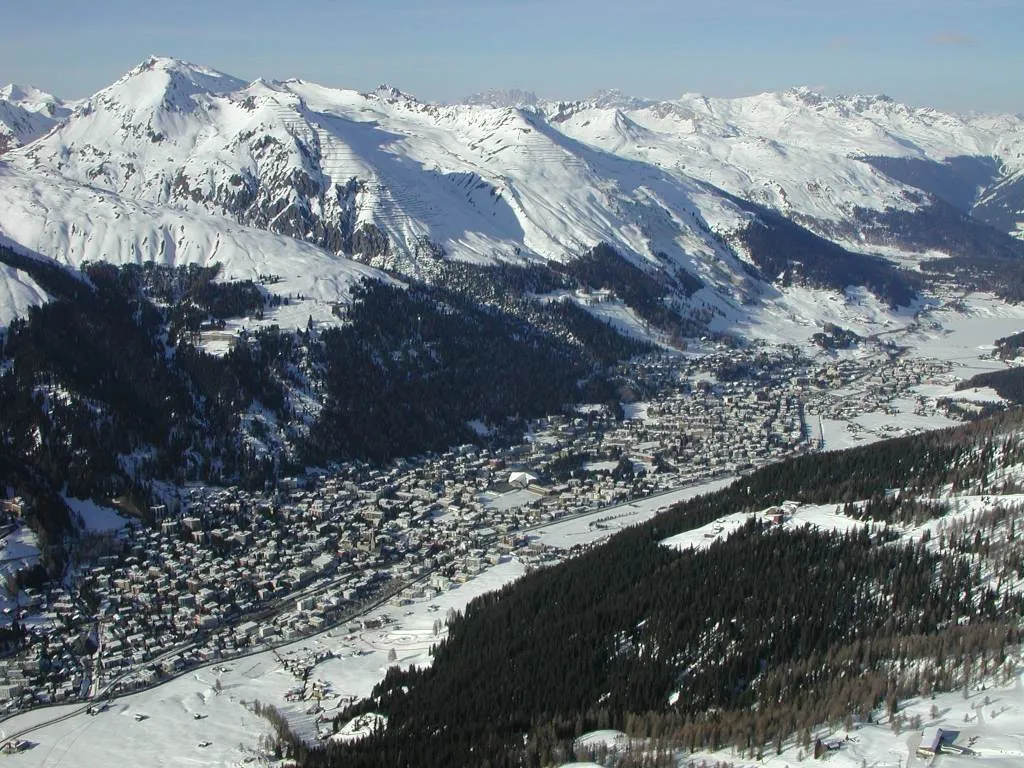
Europe remains a key continent for ski enthusiasts, with a proliferation of resorts. It’s fair to say that new resorts are being opened at regular intervals, although the quality of those destinations can vary somewhat. I enjoy a variety of winter sports and have been fortunate enough to visit a number of leading resorts. Here […]
