Danube Delta in Romania – second largest delta in Europe
Updated June 10, 2026 by europeexplored
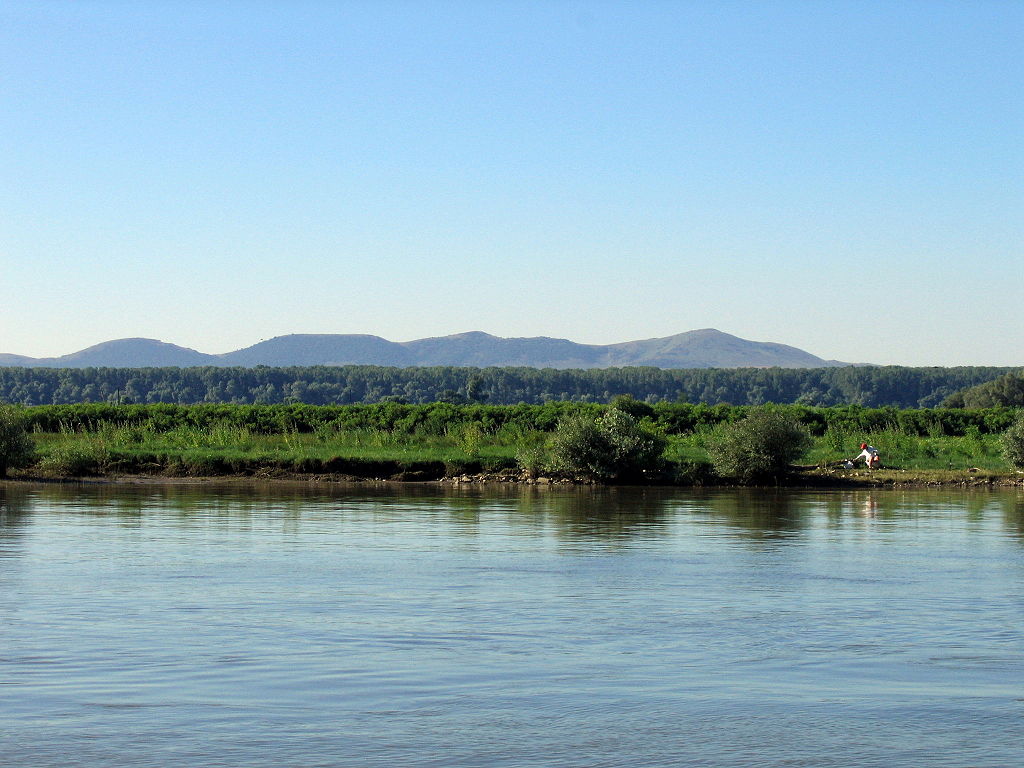
The water stretches in every direction, flat and silver under a wide sky. Reed beds taller than a person sway in the breeze, and the calls of pelicans and cormorants echo across the channels. In the Danube Delta, the second largest delta in Europe, the boundary between land and water dissolves entirely. Your boat glides through narrow channels where the only sound is the splash of an oar and the rustle of bulrushes. The air carries the clean scent of wet earth and wild mint. Fishermen cast their nets from wooden boats that have not changed shape in centuries.
Perhaps one of the most famous rivers in all of Europe is that of the Danube River. And although the river meanders its way through much of continent, it is in the nation of Romania, where one can find the Danube Delta where the river flows into the Black Sea.
The Danube Delta is considered to be the second largest Delta in all of Europe (just after Volga delta). It is also one of the most well preserved ecological destinations in the country. There are a number of lagoons, which can be found throughout the Delta region, including that of the 1015 square kilometres Razim-Sinoe Lagoon.
Danube Delta, Romania by Acaro
Today, the Danube Delta consists of three main distributaries which includes the Sfântul Gheorghe, Sulina as well as the Chilia. There are also a number of large lakes that can be found within the area that includes the Dranov, Gorgova as well as the Roşu. Among them you will find many of the most fertile and picturesque marshes and lagoons that have made the Danube Delta one of the most popular destinations not just in Romania but also throughout the entire region of Europe.
Thanks to its location along the Black Sea, the area around the Danube Delta features a unique microclimate which results in one of the driest as well as sunniest areas in all of Romania. It is estimated that every year, there are more than 2500 hours of sunshine, which equates to roughly 70 days of clear blue skies. And although there are more than 400 millimetres a year of precipitation there are more than 1000 millimetres a year of evaporation. As a result, the year-round climate associated with the Danube Delta makes it a pristine destination in the country.
Wildlife Diversity and Letea Forest
The Danube Delta is one of Europe’s most important wetlands, home to over 300 species of birds, 45 species of freshwater fish, and 1,200 species of plants. Birdwatchers travel from across the continent to spot the Dalmatian pelican with a wingspan reaching 3.5 metres, the glossy ibis with its iridescent plumage, the white-tailed eagle, and the pygmy cormorant. The delta serves as a critical stopover on the migration route between Europe, Africa, and Asia, with an estimated 1.5 million birds passing through during spring and autumn migrations. The best months for birdwatching are April through May for spring arrivals and September through October for autumn departures.
Letea Forest is one of the most remarkable natural features of the delta. This subtropical forest, located north of Sulina, contains a unique ecosystem where oak, ash, and poplar trees grow alongside lianas and climbing plants more commonly found in Mediterranean climates. The forest floor supports wild boar, foxes, and the occasional jackal. Walking trails through Letea Forest require a local guide because the paths are not well marked. Guided tours typically last three to four hours and cost around 15 to 20 euros per person.
Boat Tours and Village Life
Exploring the Danube Delta by boat is the only way to reach its most remote areas. A full-day boat tour from Tulcea covers the main channels and costs between 50 and 80 euros per person. Most tours include visits to the fishing villages of Crisan, Mila 23, and Sfântu Gheorghe, where traditional ways continue much as they have for centuries. Overnight accommodation in the delta ranges from guesthouses in the main villages to floating cabins anchored in the channels. A floating cabin offers the most immersive experience, with basic sleeping quarters and a deck where you can watch the sunset over the reeds. Prices start at approximately 40 euros per person per night including breakfast and dinner.
Would you spend a night on a floating cabin in the delta? 🛶
Explore all our Romania travel guides, from Transylvania castles to the Danube Delta.
Explore More
If you enjoyed this article, you might also like:
