A wooden promenade stretches along the Baltic shore, polished smooth by decades of footsteps and sea wind. Haapsalu is a town built around the idea of rest. Its narrow streets are lined with gingerbread-trimmed villas that once hosted Russian aristocrats escaping the summer heat of St Petersburg. The mud baths have drawn visitors for nearly two centuries, and the mineral-rich silt is still scooped from the seafloor and applied warm to tired bodies. Swans drift in the sheltered bay while the remains of a medieval bishopric castle watch over the rooftops. Everything here moves slowly.
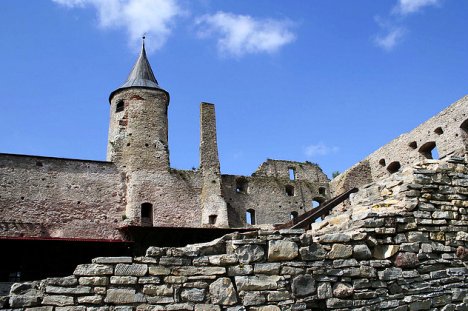
Haapsalu is a spa town located on the Gulf of Haapsalu, on the western coast of Estonia. The city was founded in the 13th century and soon became the seat of the bishop. At this time, the most important monument of Haapsalu was built: the Bishop Castle. This Gothic complex dates from the 13th century and its best preserved part is the guard tower, which houses a museum, and the castle chapel. The castle is connected with a romantic legend about the White Lady, a ghost said to appear on the chapel wall during a full moon.
Photo licensed under the Creative Commons, created by Triin Olvet
The Mud Bath Tradition and Seaside Spa heritage
The city is mainly a seaside location, so most tourists come here for the well-known local beaches and promenades, such as the Paralepa beach with its soft white sand and shallow, warm waters. However, once you come to Haapsalu, you should not miss the local mud baths. The tradition of spas in the city dates back to the early 19th century, when a local doctor took note of the inhabitants habit of treating rheumatic problems with mud baths drawn from the seafloor. A new sanatorium was built, and Haapsalu soon became a favourite destination of the Russian elite, including members of the Tsarist court who built summer villas along the shore. Most of the historic spa buildings are situated near the Great Mall, a long promenade that runs parallel to the coast. The mud itself is a unique natural resource: a sulphurous, mineral-rich silt harvested from the bottom of the Baltic Sea, applied warm to the body for treating arthritis, skin diseases, and various gynaecological conditions. The treatment ritual involves a full-body mud application followed by a period of rest and a warm bath, a practice that has remained largely unchanged for nearly 200 years. Modern spa hotels now offer a wider range of treatments including underwater massage, seaweed wraps, and saltwater pools, combining the old traditions with contemporary wellness standards.
Castle History, Culture, and Practical Travel Tips
Haapsalu has 11,600 residents and is located 100 kilometres from the capital city of Tallinn, reachable by a scenic two-hour drive or a comfortable train journey. The city also appeals to lovers of technical monuments: the local railway station houses a railway museum and an exhibition of historical vehicles, including the longest covered wooden railway platform in Europe at 216 metres. The Bishop Castle itself deserves a thorough exploration. Its most striking feature is the 30-metre-high guard tower, which offers panoramic views over the town, the bay, and the islands offshore. Inside the castle grounds, the Haapsalu Cathedral, built in the Gothic architectural style, still holds regular services and hosts classical concerts during the summer months. The legend of the White Lady tells the tragic story of a maiden walled up alive in the castle chapel for falling in love with a canon, and her ghostly silhouette is said to appear on the chapel wall during the full moon of August. The annual Haapsalu Horror and Fantasy Film Festival, held each summer, attracts cinema lovers from across the Baltic region. With its unique combination of historic architecture, seaside relaxation, and spa traditions, Haapsalu offers a gentle and restorative escape from modern life.
The local cuisine is another highlight of a visit to Haapsalu. Fresh Baltic herring, smoked fish from the coastal villages, and locally foraged mushrooms and berries feature prominently on restaurant menus. The town bakery produces traditional Estonian rye bread, and the seaside cafes offer excellent coffee and pastries with views of the marina. A visit to the weekly market near the town centre is a delightful way to sample local produce and crafts.
View Haapsalu – seaside spa resort in Estonia in a larger map
Would you try a centuries-old mud bath treatment on the Estonian coast? 🌊
Explore all our Estonia travel guides, from Tallinn old town to Baltic islands.
Explore More
If you enjoyed this article, you might also like:
- Estonia – Baltic pearl – Estonia
- Nigula Nature Reserve – one of the oldest bog reserves in Estonia – Estonia
- 4 Things to Do in Estonia – Estonia
