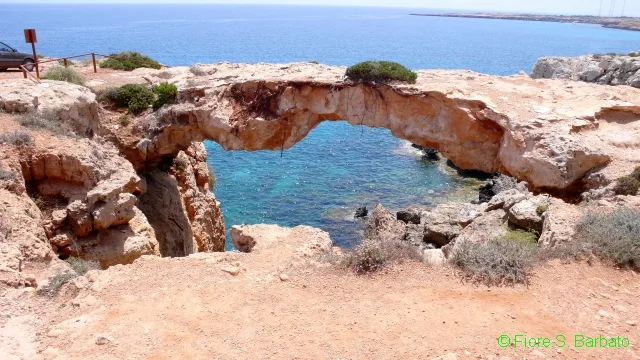
Cyprus sits at the crossroads of Europe, Asia, and Africa, and its beaches, mountains, and ancient ruins reflect that layered history. The island offers something for every traveller: party beaches in the east, Roman mosaics in the west, pine-forested mountains in the interior, and a wine culture that dates back 5,000 years. These five destinations cover the best of what the island has to offer, from the clubs of Ayia Napa to the UNESCO-listed ruins of Paphos.
In This Article
Ayia Napa and Larnaka: Beaches, Nightlife, and Ancient Salt Lakes
Ayia Napa was a small fishing village with a handful of residents until the 1970s. Today it is one of the top party destinations in the Mediterranean, but the beaches remain the real draw. Nissi Beach stretches for 500 metres of fine white sand with shallow, crystal-clear water that stays calm throughout the summer. The sand shelves gently, making it safe for young children to paddle. Water sports operators offer jet-skiing, parasailing, and banana boat rides starting at EUR 25 per session, and the beach bars serve cocktails for about EUR 8. The club district behind the beach contains dozens of bars and clubs that stay open until dawn during July and August. For a quieter experience, visit in late September when the summer crowds have thinned, the sea is still warm at 24 degrees Celsius, and accommodation prices drop by as much as 50 percent. Larnaka, the oldest city on the island, sits on the southern coast east of Ayia Napa. The Church of Saint Lazarus, built in the 9th century, houses the tomb of Lazarus of Bethany, who according to Eastern Orthodox tradition fled to Cyprus after his resurrection by Jesus. The salt lake south of the city fills with water in winter and attracts flocks of flamingos between November and March, their pink colour standing out against the white salt crust that forms on the lake bed in summer.
Paphos and the Southwest: UNESCO heritage and the Birthplace of Aphrodite
Paphos in south-west Cyprus is a UNESCO World heritage Site and the mythological birthplace of the Greek goddess Aphrodite. The Archaeological Park contains the Houses of Dionysos, Theseus, and Aion, each with intact Roman floor mosaics dating from the 2nd to the 5th centuries AD. The mosaics depict scenes from Greek mythology with remarkable detail and colour: the birth of Dionysos, the hunt for the Calydonian boar, and the triumph of Poseidon over a sea monster. The Tomb of the Kings, a necropolis carved from solid rock 3 km north of the harbour, contains monumental underground chambers dating from the 4th century BC. The tombs are not actually royal, but the scale of the Doric columns carved into the rock and the peristyle courtyards that collect rainwater justifies the name. Paphos Castle on the harbour was originally built by the Byzantines as a fortification, rebuilt by the Lusignans in the 13th century, and strengthened by the Ottomans in the 16th century. Entry costs EUR 2.50. The harbourfront restaurant strip serves fresh fish and Cypriot meze, a spread of 20 to 30 small dishes including halloumi,橄榄, and grilled octopus, for about EUR 25 per person. The site of Aphrodite’s birthplace at Petra tou Romiou, 15 km east of Paphos, is marked by a large rock formation in the sea where according to legend the goddess emerged from the foam.
Limassol and the Wine Villages of the Interior
Limassol is Cyprus’s second city and its commercial hub, home to the busiest port in the Mediterranean. The old town centres on the Limassol Castle, built in the 13th century on the site of an earlier Byzantine fortress where Richard the Lionheart is said to have married Berengaria of Navarre in 1191. The Cyprus Medieval Museum inside the castle displays armour, pottery, and religious icons from the Lusignan, Venetian, and Ottoman periods. The old town streets around the castle, known as the old market district, have undergone restoration in recent years and now house galleries, specialty food shops, and the Columbia Plaza development with its bars and restaurants. The waterfront promenade known as Molos stretches for 2 km with public art installations, fountains, and a municipal sculpture park. The Limassol Wine Festival runs for two weeks in September, celebrating the island’s 5,000-year winemaking tradition. Commandaria, a sweet dessert wine produced in the foothills of the Troodos Mountains, is reputedly the oldest named wine in the world still in production. The wine villages of the interior, including Omodos, Vouni, and Arsos, offer wine-tasting in traditional stone buildings where the grapes have been pressed in the same way for centuries. The Commandaria route, signposted from Limassol, takes you through the vineyards on winding mountain roads that reveal the agricultural heart of the island.
Which Cypriot destination calls to you most, the party beaches or the ancient ruins? 🏛️
Explore all our Cyprus travel guides, from Aphrodite birthplace to the divided capital.
Explore More
If you enjoyed this article, you might also like:
