A lion roar echoes across the Baroque grounds of Schönbrunn Palace, where the oldest zoo in the world has operated since 1752. Peacocks strut past imperial fountains, and the scent of animals mingles with the fragrance of manicured hedges. Emperor Francis I started this menagerie as a royal collection, and today it ranks among the best zoological gardens in Europe. The circular panopticon pavilion, where aristocratic guests once dined with wild creatures on display, remains the architectural heart.
If you are looking for a trip to world-class zoo, then you should visit the park of Schönbrunn Palace in Vienna where is located the oldest existing zoo in the world with the only preserved Baroque menagerie. Here you can follow works of Maria Theresa and other members of Habsburg family, who created such an interesting park.
The local animal park was founded in 1752 by Emperor Francis Stephen of Lorraine, husband of Maria Theresa, in order to invite his noble guests, and simply to show them what his summer residence Schönbrunn could offer. Since those times a lot of time have passed so today’s zoo elegantly combines baroque menagerie with the most modern pavilions for animals. From historical events could be mentioned that in 1906 the first elephant in captivity was born here, which was a rarity as it was previously considered impossible.
The staff in Zoo Schönbrunn do their best to get customer satisfied and Zoo offers even night tours with a guide and a night vision device. Such kind of visit you have to book in advance and the maximum number of participants is 20 persons.
The Day Pass costs €14 for adult, but there are discounts for children, family, and Year Pass.
Zoo Schönbrunn is one of the best and most modern in the world. Visiting it either in day or night means you take a lot of experiences, impressions and knowledge.
View Zoo Schönbrunn – the oldest zoo in the world and best zoo in Europe Vienna, Austria in a larger map
The Giant Pandas and the Rainforest House
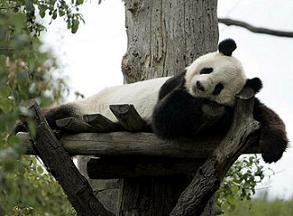
Two of Zoo Schönbrunn’s most beloved residents are its giant pandas, a species that the zoo has successfully bred multiple times since 2003. The panda enclosure, designed to mimic the bamboo forests of southwestern China, provides a cool and shaded habitat where these charismatic bears spend most of their day eating bamboo. The zoo’s breeding program has been remarkably successful: Yang and Long Hui have produced five cubs, making Schönbrunn one of the most important panda breeding centres outside China. Visitors can watch the pandas through large glass panels at close range, and the daily feeding sessions at 10:30 AM and 2:30 PM offer the best chance to see them active rather than napping.
The Rainforest House, opened in 2002, transports visitors from Vienna to the humid tropics of South America and Southeast Asia. This 2,000-square-metre indoor habitat recreates the layered environment of a tropical forest, complete with free-flying birds, butterflies, and small primates moving through the canopy above your head. The temperature stays at a constant 26 degrees Celsius with high humidity, making it a popular refuge on cold Vienna days. Sloths hang motionless from branches, tamarins chitter in the treetops, and piranhas circle in the darkened pools below. A raised walkway takes you through the canopy level, where you come face to face with leaf-cutter ants carrying oversized foliage along their trails. The Rainforest House alone justifies the entry price and is a highlight even for visitors who are ambivalent about traditional zoo exhibits.
Combining Your Visit with Schönbrunn Palace
Zoo Schönbrunn sits within the vast grounds of Schönbrunn Palace, one of Austria’s most important cultural landmarks, and the two attractions are easily combined into a single full day. A combined ticket for the zoo and the palace’s Grand Tour, which covers 40 rooms including the Great Gallery and the private apartments of Empress Maria Theresa, offers the best value and saves queueing time at both venues. Start your morning with the palace tour, when the rooms are less crowded, then move through the palace gardens toward the zoo for the afternoon. The walk from the palace to the zoo entrance takes about fifteen minutes through the beautifully manicured Baroque parterre and the Gloriette hill.
Allow at least three hours for the zoo, longer if you have children who want to visit the petting zoo, the seal feeding, or the children’s playground. The zoo has several dining options, including a restaurant with terrace views of the elephant enclosure and a cafe near the panda house. After the zoo, the palace gardens remain open until dusk, and the Neptune Fountain, the Roman Ruin, and the labyrinth are worth exploring on your way back to the palace exit. The nearby Orangery and the Palm House, both within the palace grounds, can extend your visit if time permits. Public transport from central Vienna to the Schönbrunn complex takes about 25 minutes via the U4 subway line to Hietzing station.
Do you think a zoo with imperial history can offer the best animal experience? 🦁
Explore all our Austria travel guides, from Vienna coffeehouses to Alpine peaks.
Explore More
If you enjoyed this article, you might also like:
