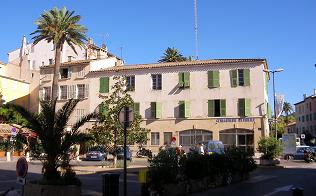
Saint-Tropez is the most famous fishing village in the world, a sun-drenched Provencal port on the French Riviera where billionaires’ superyachts bob alongside traditional wooden pointus, the glitterati gather at the legendary Club 55 on Pampelonne Beach, and the soft Mediterranean light that inspired Matisse and Signac still bathes the pastel-coloured houses of the old port. Despite its jet-set reputation, old Saint-Tropez retains a genuine charm: the morning fish market on the Place aux Herbes, the cobbled lanes of the La Ponche quarter, and the view from the Citadelle across the Gulf of Saint-Tropez remain as beautiful today as when Brigitte Bardot put the town on the map in 1956.
In This Article
Quick Facts: Saint-Tropez, France
- Best time to visit: May through June and September for warm weather without the peak July through August crowds; September for the Voiles de Saint-Tropez sailing regatta
- Top attraction: Pampelonne Beach (5 km of golden sand, home to exclusive beach clubs), the old port, and the Musee de l’Annonciade (outstanding collection of Pointillist and Fauvist art)
- How to get there: About 1.5 hours from Nice Airport by car; about 1 hour from Toulon-Hyeres Airport; limited train service to Saint-Raphael plus bus or ferry
- Avoid the traffic: In July through August the single road in and out becomes gridlocked; arrive by ferry from Saint-Raphael or Sainte-Maxime for a far more pleasant experience
The History and Transformation of Saint-Tropez
Saint-Tropez has a history that extends far beyond its glamorous modern reputation. The town was founded as a Greek trading post and later became a Roman settlement. Its name derives from a Christian martyr, Saint Torpes, whose body is said to have washed ashore here in the first century. During the Middle Ages, the town grew around a fortified citadel, which still watches over the harbour from its hilltop position. The Citadelle was built in the early 17th century and served as a defensive stronghold protecting the coast from pirate attacks and foreign invasions.
The town played a significant role in World War II as the site of Operation Dragoon, the Allied invasion of southern France in August 1944. Saint-Tropez was among the first towns liberated, and a memorial near the port commemorates the French and American forces who fought here. After the war, the town gradually transformed from a quiet fishing community into a destination for artists and writers. The painters of the Fauvist and Pointillist movements were drawn to the quality of the light, and the Musee de l’Annonciade now houses an outstanding collection of their work.
The arrival of Brigitte Bardot in 1956 marked a turning point. Her film Et Dieu Crea la Femme put Saint-Tropez on the international map, and the town never looked back. The 1960s and 1970s saw a flood of celebrities, artists, and fashionable tourists, a trend that continues to this day. The popular Le Gendarme de Saint-Tropez film series starring Louis de Funes further cemented the town’s place in popular culture.
Beyond the glamour: Local Experiences
While the celebrity scene dominates headlines, Saint-Tropez offers authentic experiences that reveal its true character. The morning fish market at the Place aux Herbes is a wonderful example of Provencal daily life, with local fishermen selling their catch alongside vendors offering olives, cheeses, and lavender. The bustling atmosphere and the mix of French and Provencal accents create a sensory experience that transport visitors back to the town’s fishing village roots.
The old quarter of La Ponche is the most charming part of Saint-Tropez, with its narrow cobbled lanes, pastel-coloured houses, and small boutiques. This area was once the domain of local fishermen, and its character has been carefully preserved. The small beaches tucked between the town’s rocky coves offer quieter alternatives to the famous Pampelonne Beach. The Plage des Graniers and the Plage de la Bouillabaisse are both within walking distance of the town centre and provide a more relaxed atmosphere.
Food lovers will appreciate the local cuisine, which combines Provencal flavours with fresh seafood. Bouillabaisse, the classic fish stew, is a local specialty, as are grilled sea bass, ratatouille, and the famous Saint-Tropez tart. This dessert, a light brioche filled with pastry cream and dusted with powdered sugar, was created in the 1950s by a local pastry chef and has become a symbol of the town. Many restaurants also offer tasting menus that showcase the wines of the Provence region, including the crisp roses that are perfect for warm summer days.
Have you strolled Saint-Tropez’s old port or found the French Riviera’s quieter side? Share your Cote d’Azur experiences in the comments! ⛵
Explore all our France travel guides, from Parisian boulevards to Provence lavender.
Explore More
If you enjoyed this article, you might also like:
