The Blue Grotto – the sea caverns on the southern coast of Malta
Updated June 10, 2026 by europeexplored
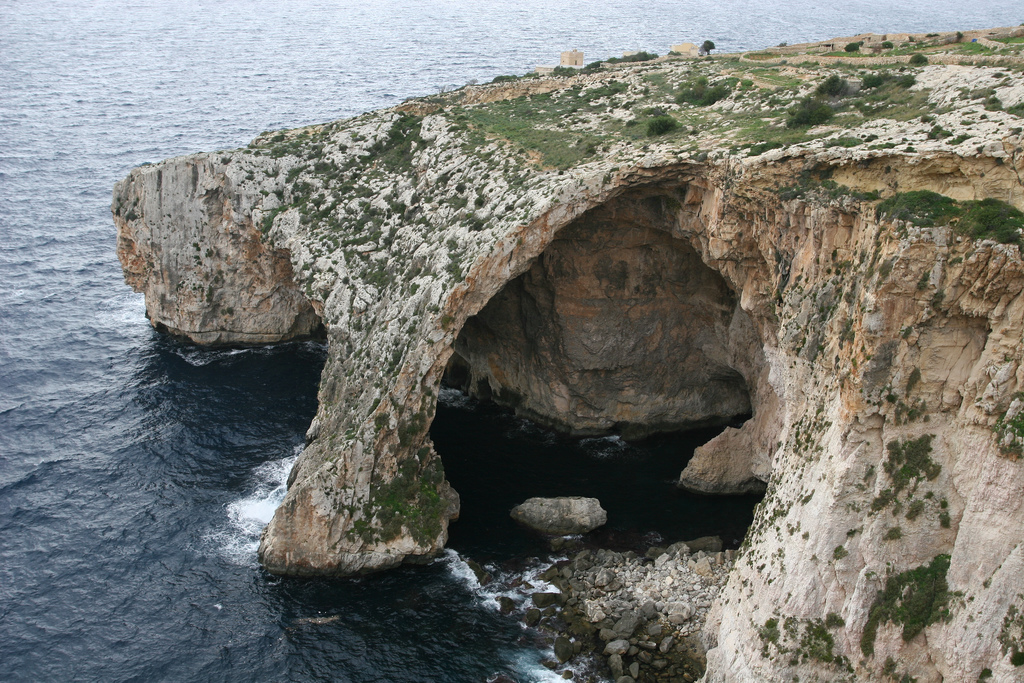
The water inside the Blue Grotto glows with an electric blue that seems to come from another world. Sunlight enters through an underwater cavity and reflects off the white sand below, illuminating the sea cave in shades of silver and cobalt. Small boats carry visitors into the main arch, where the rock walls rise above the turquoise water and the only sounds are the lapping of waves and the echo of voices in the cavern. Six separate caves make up the Blue Grotto system on the southern coast of Malta. The best time to visit is early morning when the light hits the water at the perfect angle.
The water inside the Blue Grotto glows with an electric blue that seems to come from another world. Sunlight enters through an underwater cavity and reflects off the white sand below, illuminating the sea cave in shades of silver and cobalt. Small boats carry visitors into the main arch, where the rock walls rise above the turquoise water and the only sounds are the lapping of waves and the echo of voices in the cavern. Six separate caves make up the Blue Grotto system on the southern coast of Malta. The best time to visit is early morning when the light hits the water at the perfect angle.
The Blue Grotto is the name that has been given to a cave which is part of a series of sea caverns which are located on the southern coast of Malta, close to the Żurrieq harbor. These sea caves offer locals and tourists a truly unique one-of-a-kind sight around 1 o’clock in the afternoon when the combination of caves and sunlight reflecting off the water create many different shades of blue which can only be observed around this time of the day.
Blue Grotto, Malta by Chris Brown
Those who travel to the Blue Grotto will also be able to see Filfla, which is a small island inhabited by numerous types of exotic lizards. There is no doubt that these sea caves are a very popular travel destination for tourists who like to go scuba diving or just want to admire the breathtaking beauty and idyllic scenery that the Blue Grotto has to offer.
In this area there are a number of amazing sights to see, including the tall cliffs which tower above the Mediterranean Sea, the waves below hitting against them. The unique emerald lighting and exotic landscape of this entire area is what draws so many people to it year after year. Late in the day it is not uncommon to see visitors swimming in the caves, as well as traffic jams of rowboats just outside the grotto.
It is also considered as being one of the most picturesque places in all of Malta so if your next way is waving through Malta do not leave this place unexplored.
Would you rather swim inside the Blue Grotto or explore it by boat? Which sounds more magical to you?
Looking for more Maltese travel inspiration?
The Blue Grotto is formed from Globigerina limestone, the soft golden stone that was used to build most of Malta historic buildings. The cave system was carved over thousands of years by the action of waves and wind on the joints and fissures in the limestone cliffs. The characteristic blue glow is created by sunlight entering through an underwater cavity and refracting through the clear Mediterranean water before reflecting off the white sand and limestone on the cave floor. The light then illuminates the cave interior from below, creating the luminous effect that gives the grotto its name. The depth of the water inside the main cave reaches approximately 12 metres, and visibility often exceeds 20 metres in calm conditions. Six distinct caves form the system: the Blue Grotto itself, the Honeymoon Cave, the Cat’s Cave, the Coral Cave, the Cradle, and the Reflection Cave. Each cave has its own character and light quality. The surrounding cliffs rise up to 30 metres above sea level and are pitted with sea arches, tunnels, and smaller grottoes that can be explored by kayak. The geological formation of the area is protected as part of the Malta Natura 2000 network, and the cliffs provide nesting sites for the Maltese shearwater and the Mediterranean storm petrel.
How to Visit and What to Expect
Boat trips to the Blue Grotto depart from the small harbour at Wied iz-Zurrieq, a 10-minute drive from the village of Zurrieq. The traditional Maltese fishing boats, known as luzzus, can carry up to six passengers and are operated by local fishermen who know the caves and the sea conditions intimately. The boat ride lasts approximately 25 minutes and costs around 10 euros per person as of 2026. The boats enter the main cave and several of the smaller ones, allowing time for photography. The best conditions occur in the early morning between 8am and 10am, when the sun is at the optimal angle to create the blue reflection. Calm sea conditions, which are more common in summer, produce the clearest water and the most vivid colours. Winter storms can make the caves inaccessible due to rough seas. The boat operators do not operate in strong winds or high swell, and it is worth calling ahead in marginal weather. Swimming is permitted in the area outside the caves, and the water clarity makes this one of the best snorkelling spots on the island. The nearby Dingli Cliffs, the highest point on Malta at 253 metres, offer walking trails and panoramic views along the southern coast. The village of Zurrieq has several restaurants serving fresh fish and Maltese cuisine.
Would you rather swim inside the Blue Grotto or explore it by boat? Which sounds more magical to you?
Explore all our Malta travel guides, from Valletta bastions to Gozo cliffs.
Zurrieq and the Southern Malta Coast
The village of Zurrieq, perched on the cliff edge above the Blue Grotto, is one of the oldest settlements on Malta. The nearby Dingli Cliffs offer dramatic coastal views and walking trails. The coastal path from Dingli to Wied iz-Zurrieq covers approximately 8 kilometres and takes about three hours. Ghar Lapsi, a natural swimming pool formed by the collapse of a sea cave, is a popular local alternative to sandy beaches. The Hagar Qim and Mnajdra temples, two of the oldest free-standing structures in the world dating from 3600 to 3200 BC, are a 15-minute drive from the Blue Grotto. These UNESCO World heritage sites can be combined for a full day of historical and natural exploration. A combined ticket for both temples costs 10 euros.
Explore all our Malta travel guides, from Valletta bastions to Gozo cliffs.
Explore More
If you enjoyed this article, you might also like:
