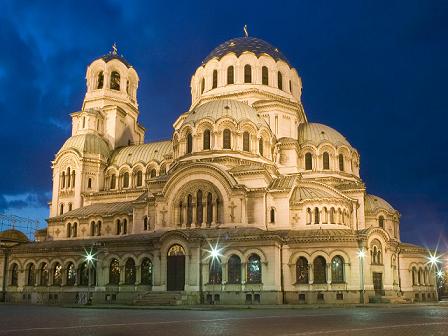
Sofia is one of Europe’s most underrated capitals, a city where 7,000 years of history are layered into a compact, walkable centre of Roman ruins, Ottoman mosques, Orthodox cathedrals, and Soviet-era monuments, all set against the dramatic backdrop of Mount Vitosha. Bulgaria’s administrative, cultural, and economic heart, Sofia offers visitors an extraordinary value city break: world-class museums, a thriving food and cafe scene, and remarkably easy access to mountain hiking and skiing just 30 minutes from the city centre.
In This Article
Quick Facts: Sofia, Bulgaria
- Best time to visit Sofia: April-October for outdoor cafe culture and Vitosha hiking; December for Christmas markets; year-round for the city’s museums and churches
- Top attractions: Alexander Nevsky Cathedral, the Rotunda of St. George (4th century), Boyana Church (UNESCO), and Vitosha Boulevard
- How to get there: Sofia Airport (SOF) with budget flights from across Europe; ~5 hours from Thessaloniki; ~5.5 hours from Bucharest
- Best for: Budget-conscious city-breakers, history lovers, and hikers seeking an urban base with mountain access
A City Built on Layers of History
Sofia’s story begins in the 7th century BC as the Thracian settlement of Serdica, built around a mineral spring that still flows today in the city centre. The Thracians recognised the value of this warm, mineral-rich water, and its presence has drawn people to this location for millennia.
When the Romans arrived, they transformed it into a major urban centre with city walls, public baths fed by the mineral springs, and an amphitheatre. When the Romans arrived, they transformed it into a major urban centre with city walls, public baths, and an amphitheatre. You can still walk through these ancient streets today: the Serdica Metro Station complex preserves Roman thoroughfares, houses, and mosaics right beneath the modern city, integrated into the transit system in one of Europe’s most impressive archaeological displays.
The 4th-century Rotunda of St. George, hidden in the courtyard of the Presidency building, is the oldest surviving structure in Sofia and has served as a Roman temple, a mosque, and now an Orthodox church. Nearby, the 6th-century Church of St. Sofia gave the city its current name. The vast Alexander Nevsky Cathedral, seating 10,000 people and covered in gold-plated domes, dominates the city skyline. Built in the early 20th century to commemorate the liberation of Bulgaria from Ottoman rule, it is one of the largest Orthodox cathedrals in the world and an unmissable landmark.
Nature at Your Doorstep: Vitosha Mountain
What makes Sofia truly special among European capitals is Mount Vitosha, the 2,290-metre mountain that forms the city’s southern skyline. A 30-minute bus ride from the city centre delivers you to trailheads for summer hiking, mountain biking, and winter skiing. The combination of a thriving cultural capital and genuine alpine wilderness so close together is exceptionally rare.
In summer, the Aleko mountain hut serves as the base for hikes up to Cherni Vrah (Black Peak), the highest point of Vitosha. The panoramic views from the summit stretch across the entire Sofia Valley and, on clear days, all the way to the Balkan Mountains. In winter, the same slopes become a small but well-maintained ski area, perfect for a day trip. weather you are a serious hiker or just want a breath of fresh mountain air, Vitosha offers an escape from the city that feels worlds away but is only minutes from downtown. Back in the city, the areas around Vitosha Boulevard and the Doktorski Gradina park are filled with cosy cafes and restaurants serving traditional Bulgarian cuisine at remarkably affordable prices.
Sofia, with 1.4 million residents, is the capital and largest city of Bulgaria and the 47th largest city by population in Europe. It is also one of Europe’s most compact and walkable capital cities. It is located in western Bulgaria, at the foot of Mount Vitosha, and is the administrative, cultural, economic, and educational centre of Bulgaria.
Prehistoric settlements were excavated in the centre of the present city, near the royal palace, as well as in outer districts such as Slatina and Obelya. The well-preserved town walls (especially their substructures) from antiquity date back before the 7th century BC, when Thracians established their city next to the most important and highly respected mineral spring, still functioning today. Sofia has had several names in the different periods of its existence, and remnants from the city’s past can still be seen today alongside modern landmarks.
View Sofia – administrative, cultural, economic, and educational centre of Bulgaria in a larger map
Have you explored Sofia or discovered Bulgaria’s mountain-and-city combination? Share your Sofia highlights in the comments! 🇧🇬
Explore all our Bulgaria travel guides, from the Black Sea to the Rila Mountains.
Explore More
If you enjoyed this article, you might also like:
