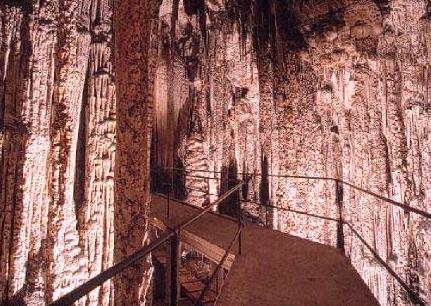
Arta Caves – a popular cave system on the island of Mallorca | Spain
Arta Caves (Cuevas de Arta) is a popular cave system on the island of Mallorca. It is located on the east coast, about 70 km from the capital city of Palma de Mallorca, in the resort of Canyamel at Cap Vermell. It is situated at an elevation of about 46 metres above sea level, carved into the limestone cliffs that define this dramatic stretch of coastline. The caves have attracted visitors for centuries, drawn by their spectacular natural formations and the cool, mysterious atmosphere that fills their vast chambers with an almost sacred sense of wonder.
In This Article
The Natural Wonder of the Arta Caves
Arta Caves are not just beautiful natural decorations, but also a place with a rich geological history stretching back millions of years to when the entire island of Mallorca lay beneath the sea. The biggest natural attraction of the caves is the 22-metre-high stalagmite, one of the tallest in the Mediterranean region, rising from the cave floor like a giant stone pillar built by the slow drip of mineral-rich water over countless millennia. The caves are divided into several named sections: Inferno (Hell), Purgatorio (Purgatory) and Paradiso (Paradise), each with its own distinct character and formations that range from delicate needle-like stalactites to massive, organ-pipe columns that seem almost architectural in their precision. The special lighting installed throughout the caves creates a truly magical and impressive visual experience, highlighting the delicate colours and textures of the stalactites and stalagmites in shades of amber, cream and rust. Dripstone columns, flowstone curtains, and rimstone pools decorate every chamber, the result of thousands of years of mineral deposition working with the patience of nature itself. The main chamber is particularly breathtaking, with a ceiling that rises dozens of metres above the visitor walkway, decorated with thousands of thin straw stalactites hanging like chandeliers of stone, their delicate hollow tubes allowing water to drip through from the surface far above.
Historical Significance and Famous Visitors
It is interesting that in the past the Arta Caves served as a haven for pirates and smugglers who took advantage of the hidden chambers and multiple entrances to conceal their valuable goods from the authorities. The caves provided perfect natural hiding places, with their network of interconnected chambers offering multiple escape routes and secret storage spaces that were nearly impossible to discover without local knowledge. Among the most famous visitors to the caves were literary giants such as Jules Verne, Victor Hugo, Alexandre Dumas and the actress Sarah Bernhardt, all of whom travelled to Mallorca specifically to see this natural wonder. Jules Verne reportedly drew inspiration from his visit for his classic story Journey to the Centre of the Earth, and the caves dramatic subterranean landscapes certainly evoke the sense of adventure and discovery that fills his writing. Alexandre Dumas also wrote about his experience exploring the caves, helping to spread their fame across Europe at a time when Mallorca was still a relatively undiscovered destination for travellers from the continent. The knowledge that these great minds once walked the same paths adds a layer of cultural richness to the natural beauty.
Visitor Information and Practical Tips
Arta Caves are open all year round, making them a reliable attraction regardless of the season. From May to October they are open daily from 10:00 to 18:00, while from November to April the hours are daily from 10:00 to 17:00. The basic entrance fee to Arta Caves costs 11 euros, while children under 6 are admitted free of charge, making it an affordable family outing. Tours of the caves take about 30 to 40 minutes and are conducted in English, Spanish, French and German, making the experience accessible to international visitors from around the world. The walkways are well-maintained and well-lit, though visitors should wear comfortable shoes as the paths can be uneven and slippery in places where water seeps through the limestone. Photography is permitted throughout the caves, but tripods are not allowed during busy periods to avoid congestion on the narrow walkways. It is advisable to arrive early in the morning to avoid the largest crowds and to experience the caves at their most atmospheric, when the chambers are quiet and the lighting creates deep, dramatic shadows against the ancient rock formations, revealing details that are easily missed during the bustle of peak afternoon hours.
View Arta Caves – a popular cave system on the island of Mallorca Spain in a larger map
Have you ever explored underground caves on a Mediterranean island? 🌍
Explore all our Spain travel guides, from Barcelona Gaudí to Andalusia plazas.
Explore More
If you enjoyed this article, you might also like: