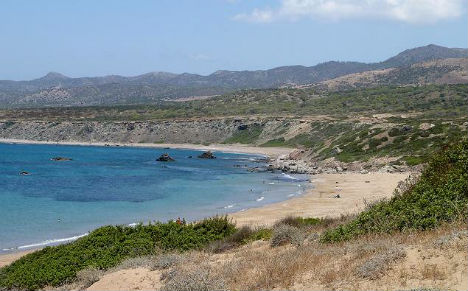
The Akamas Peninsula juts into the Mediterranean from the northwest coast of Cyprus, a rugged wilderness of limestone gorges, sea caves, and sandy coves that has escaped the development that has reshaped much of the island’s coastline. This is one of the last truly wild landscapes in Cyprus, a protected national park covering 230 square kilometres of pristine nature. The park is named after the mythological hero Akamas, son of Theseus, and the rugged beauty of the landscape does justice to its legendary name. Here, endangered sea turtles nest on remote beaches, wild orchids bloom in the garrigue, and hiking trails wind through juniper forests to viewpoints that take in the endless blue of the Mediterranean.
In This Article
The Baths of Aphrodite and the Mythological Trail
The most famous attraction within the park is the Baths of Aphrodite, a natural grotto surrounded by fig trees where, according to legend, the goddess of love bathed and met her lover Adonis. The spring-fed pool is small and unassuming, but the setting, with water dripping through moss-covered rocks into a clear pool, is undeniably romantic. A short walking trail from the baths, the Aphrodite Trail, follows the coastline for about 7.5 kilometres, passing through fragrant maquis scrub and offering spectacular views of the sea and the distant mountains of the Troodos range. The trail is well-marked and takes approximately two to three hours to complete, with several opportunities to stop at secluded beaches along the way.
Wildlife and Marine Conservation
The Akamas Peninsula is one of the most important wildlife habitats in the eastern Mediterranean. The beaches of Lara Bay and Toxeftra are protected nesting sites for the green turtle and the loggerhead turtle, both of which are endangered species. Between June and August, the turtles come ashore at night to lay their eggs, and conservation volunteers monitor the nests to protect them from predators and human disturbance. The park is also home to over 600 species of plants, including 35 that are endemic to Cyprus. Birdlife is abundant, with Bonelli’s eagles, griffon vultures, and Eleonora’s falcons among the species that can be spotted in the park. The marine area is equally rich, with monk seals and dolphins occasionally seen in the waters offshore.
Exploring the Park and Practical Tips
The best way to explore Akamas is by 4×4 vehicle, as many of the tracks are rough and unpaved. Guided jeep tours depart from the nearby resorts of Paphos and Latchi and offer a comprehensive introduction to the park’s highlights. Hiking is equally rewarding, with several marked trails ranging from short coastal walks to full-day expeditions into the interior. The Avakas Gorge, a narrow limestone canyon on the southern edge of the park, is a spectacular natural feature that can be explored on foot, with walls rising over 30 metres on either side. The park is accessible year-round, but spring, when the wildflowers are in bloom and the temperatures are mild, is the most pleasant time to visit. Summer can be extremely hot, so early morning or late afternoon excursions are recommended. Entry to the park is free, though there is a small parking fee at the Baths of Aphrodite.
Have you explored the wild coastline of the Akamas Peninsula and discovered its hidden coves and sea caves? What moment from the park remains most vivid in your memory?
>
Why Akamas National Park Deserves a Spot on Your Cyprus Itinerary
Akamas National Park stretches across the northwestern tip of Cyprus, covering roughly 230 square kilometres of protected wilderness. Unlike the built-up resort coasts further east, this peninsula remains gloriously wild. The rugged terrain combines deep gorges, forested slopes, and secluded coves that feel a world away from the souvenir shops of Paphos or Ayia Napa.
The park takes its name from Acamas, the son of Theseus who according to legend settled here after the Trojan War. weather you believe the mythology or not, the landscape certainly feels ancient. Over 600 plant species thrive within the park boundaries, 35 of which grow nowhere else on Earth. Spring transforms the hillsides into a tapestry of wild cyclamen, orchids, Cyprus tulips, and rock roses. The diversity of flora here makes it a paradise for botanists and nature photographers alike, with different species blooming throughout the growing season from March through June.
The Best Hiking Trails in Akamas
The most famous route is the Aphrodite Trail, a 7.5-kilometre loop that starts near the Baths of Aphrodite. It climbs steadily to the summit of Mouti tis Sotiras at 370 metres, rewarding hikers with panoramic views over the Chrysochou Bay. Along the way you will pass the ruined Byzantine monastery of Rigena, where you can still fill your water bottle from the spring. The trail is well signposted and takes about three hours to complete at a moderate pace.
For a shorter option, the Pissouromouttis Trail runs just 3 kilometres through dense maquis shrubland. The Smigies Trail, at 5 kilometres, offers similarly spectacular views over Polis and the coastline. All trails are clearly marked, well maintained, and equipped with informational signs describing the local flora and geology. Trail maps are available at the visitor centre in Polis, and guided walks can be arranged through local tour operators.
Wildlife Watching in the Peninsula
The protected status of Akamas has made it a refuge for Cyprus wildlife. The park supports populations of foxes, hedgehogs, shrews, and several species of bat. Birdwatchers can spot Bonelli eagles, griffon vultures, and migrating raptors riding the thermals above the gorges. On the beaches, the endangered green and loggerhead sea turtles return each summer to lay their eggs in the sand, usually between June and August.
The underwater environment is equally rich. The clear waters around the peninsula are popular with snorkellers and divers, who explore sea caves and rocky reefs teeming with marine life. Boat trips from Latchi and Polis regularly cruise along the coast, stopping at remote beaches only accessible from the sea. Some tours include lunch and swimming stops at the famous Blue Lagoon, where the water is so clear you can see the sandy bottom 15 metres below.
How to Visit Akamas National Park
The best access point is from the village of Polis or the small harbour of Latchi. A paved road runs part of the way into the park, but a 4×4 vehicle is recommended for exploring the dirt tracks that lead to the more remote sections. Several tour operators offer jeep safaris, quad bike excursions, and guided hiking tours departing daily from Paphos and Polis.
The park is free to enter and open year-round. The ideal visiting months are March through May and September through November, when temperatures are pleasant for walking. Summer can be intensely hot, so carry plenty of water, wear sun protection, and start your hikes early in the morning. The park has limited facilities, so pack everything you need for the day including food, water, and sun protection.
Are you ready to explore one of Cyprus last truly wild landscapes on your next Mediterranean adventure?
Explore all our Cyprus travel guides, from Aphrodite birthplace to the divided capital.
Explore More
If you enjoyed this article, you might also like:
