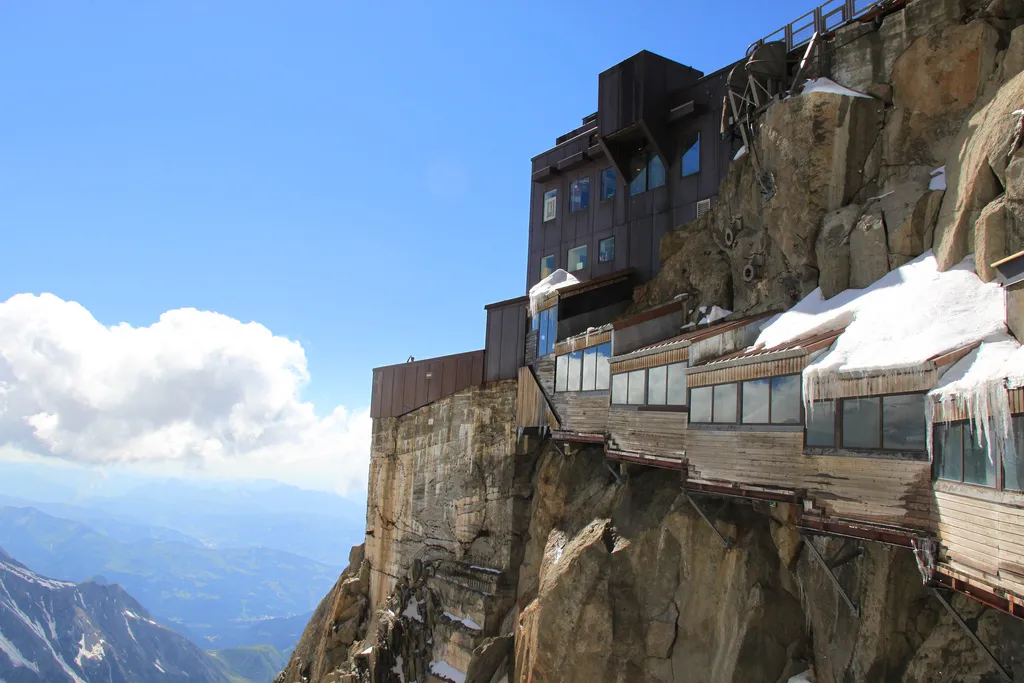
Piemonte is one of Italy’s most diverse regions, where the Alps meet rolling vineyards and glacial lakes cradle historic villages.
In This Article
Why Piemonte Should Be on Your Italy Itinerary
Nestled in the northwest corner of Italy at the foot of the Alps, Piemonte (Piedmont in English) offers a travel experience that rivals Tuscany and the Amalfi Coast but with far fewer crowds. The region is bounded on three sides by mountains, including Monte Rosa, the second-highest peak in the Alps. Turin, its elegant capital, was Italy’s first capital and remains a treasure trove of Baroque architecture, royal palaces, and world-class museums. But beyond Turin lies a landscape of rolling hills studded with medieval castles, vineyards producing some of the world’s finest wines, and glacial lakes that mirror the surrounding peaks. As of 2026, Piemonte remains remarkably affordable compared to other Italian regions, with a three-course dinner for two in a countryside trattoria costing around 55 to 70 euros and mid-range hotel rooms averaging 90 to 130 euros per night. The region’s accessibility via Turin’s Caselle Airport and high-speed rail connections from Milan and Rome makes it an easy addition to any Italian itinerary. weather you are a hiker, a foodie, a history buff, or simply someone seeking authentic Italian culture away from the tourist trail, Piemonte delivers on every front.
The Glacial Lakes of Piemonte: Lago Maggiore and Lago d’Orta
Piemonte shares Lago Maggiore with Lombardy, but its western shores and the enchanting Borromean Islands are among the region’s greatest natural assets. Stresa, the lakeside town that serves as the gateway to the Borromean Islands, offers stunning views of Isola Bella, Isola Madre, and Isola dei Pescatori, each with its own character. Isola Bella is home to a magnificent Baroque palace and terraced gardens adorned with peacocks and white camellias. A ferry ride across the lake costs around 10 euros return as of 2026. Just west of Lago Maggiore lies the smaller, quieter Lago d’Orta, dominated by the island of San Giulio with its Romanesque basilica. The town of Orta San Giulio, with its cobbled alleys and lakeside piazza, is one of Italy’s most romantic destinations. Unlike the busier Lake Como, these Piemonte lakes offer a more relaxed experience where you can swim in summer, rent a small boat for 25 euros per hour, and dine on fresh lake fish like lavarello and persico while watching the sunset over the water. The Sacro Monte of Orta, a UNESCO World heritage site with twenty chapels dedicated to Saint Francis, provides a scenic hillside walk with panoramic views of the lake and the surrounding Alps.
The Alpine Majesty of the Piemonte Mountains
Piemonte’s Alpine region offers some of the most spectacular mountain scenery in Europe, from the granite peaks of the Gran Paradiso National Park to the ski slopes of the Via Lattea (Milky Way) system. Gran Paradiso, Italy’s oldest national park, is a haven for wildlife enthusiasts, home to ibex, chamois, and golden eagles. The park’s network of hiking trails ranges from gentle valley walks to challenging multi-day treks, with well-marked paths and mountain refuges (rifugi) offering overnight accommodation at around 40 to 60 euros per person including dinner and breakfast. In winter, the Via Lattea connects Piemonte’s Sestriere with the French resort of Montgenevre, offering over 400 kilometers of ski runs accessible with a lift pass costing approximately 250 euros for six days as of 2026. For something truly unique, drive or take the bus up to the Monte Rosa massif and ride the cable car to Punta Indren at 3,260 meters, where you can walk on the glacier and gaze across the Italian and Swiss Alps. The valley towns of Cogne and Champoluc serve as excellent bases for summer hiking and winter sports, with charming stone houses, local cheese shops selling fontina and toma, and family-run restaurants serving hearty Alpine dishes like polenta concia and carbonada.
The Wines and Sweets of Piemonte: Barolo, Truffles, and Gianduia
Piemonte is the undisputed king of Italian wine and chocolate. The Langhe region, a UNESCO World heritage landscape of rolling hills, produces Barolo and Barbaresco, two of Italy’s most celebrated red wines made from the Nebbiolo grape. A tasting visit to a family-run winery in Barolo or Barbaresco typically costs 20 to 40 euros per person as of 2026 and includes a tour of the cellars and a flight of three to five wines paired with local cheeses and cured meats. The town of Alba is the epicenter of the white truffle trade, and during the autumn truffle fair (Fiera del Tartufo Bianco), the streets fill with the unmistakable aroma of freshly shaved truffles. A truffle tasting menu in Alba costs around 80 to 120 euros but is an unforgettable experience. For chocolate lovers, Turin is the birthplace of gianduia, the hazelnut-chocolate spread that inspired Nutella. Visit the Caffarel factory or any pasticceria in Turin to sample gianduiotti, the traditional foil-wrapped chocolates. The region also produces amaretti morbidi (soft almond cookies), bonet (a chocolate and amaretto custard), and the famous panettone from the town of Novara. A food tour of Turin’s historic cafes and chocolatiers costs around 60 euros and includes samples at six to eight venues.
historic Cities and Medieval Villages of Piemonte
Beyond Turin, Piemonte is dotted with medieval villages and cities that feel frozen in time. The Royal Palace of Venaria Reale, a UNESCO site, rivals Versailles in grandeur and has been restored to its full 17th-century splendor. Entry costs 25 euros and includes the palace, the gardens, and the Chapel of the Holy Shroud. The village of Neive in the Langhe hills is a perfect example of a medieval borgo, with narrow streets, a central clock tower, and panoramic views over the vineyards. The Sacra di San Michele, a mountaintop abbey that inspired Umberto Eco’s novel The Name of the Rose, is a dramatic sight perched on a rocky peak at 960 meters. Admission is 10 euros and the hike up to the abbey is rewarded with staggering views of the Susa Valley. Asti, known for its sparkling wine, also boasts a magnificent Romanesque cathedral and a medieval center that comes alive during the Palio di Asti horse race in September. The city of Alessandria offers a rich military history with its 18th-century Citadel, while the hilltop town of La Morra provides one of the most photographed views in Italy, a sweeping panorama of the Langhe vineyards stretching to the horizon. As of 2026, these smaller towns remain largely undiscovered by international tourists, offering authentic experiences where you can explore Roman ruins, Gothic churches, and Renaissance palaces without the queues found in Florence or Rome.
Which part of Piemonte would you explore first, the lakes around Stresa or the wine cellars of Barolo?
Explore all our Italy travel guides, from the Dolomites to Sicily.
Explore More
If you enjoyed this article, you might also like:

Piedmont doesn’t get the attention it deserves compared to Tuscany, but honestly I prefer it. The hills around Barolo and Barbaresco are stunning, the truffle dishes are life-changing, and Turin is a beautiful city full of arcaded streets and incredible coffee bars. Lake Orta nearby is also a hidden gem. This region is a food lover’s paradise.