The water in the cala, Cala del Senyor Ramon, a cove so small you could throw a stone across it, the cliffs pine-covered, the sea the colour of a Bombay Sapphire bottle held up to the sun, is cold (18°C in June) and clear and utterly silent after the splash of your entry subsides. The Costa Brava, the Wild Coast, 200 km of cliffs, coves, and fishing villages north of Barcelona, was named by the Catalan journalist Ferran Agulló in 1908. The name, “the wild coast”, was a lament: Agulló feared that development would destroy the landscape. He was right about parts of it (Lloret de Mar, the package-holiday development, the high-rise hotels) and gloriously wrong about the rest.
The calas, the hidden coves that notch the coastline like bites taken from a biscuit, are the Costa Brava’s defining geography. Cala del Senyor Ramon, Cala Aiguablava (named for the blue of the water, “the colour of the sky reflected in the sea,” the description of the Catalan poet Josep Pla), Cala Sa Tuna (the fishing village, the whitewashed houses, the boats pulled up on the shingle, the restaurant, the Sa Tuna, serving grilled fish caught that morning). The Camí de Ronda, the coastal path, built in the 19th century for the Guardia Civil to patrol against smuggling, now a hiking trail connecting the calas, hugs the cliff edge. The walk from Sant Feliu de Guíxols to Tossa de Mar (22 km, the full day, the views, the calas, the pines) is the essential Costa Brava experience. Tossa de Mar, the fortified old town (Vila Vella), the 12th-century walls, the turrets, the view of the Mediterranean, is the Costa Brava that Ava Gardner fell in love with while filming Pandora and the Flying Dutchman here in 1951. The statue of Gardner on the cliff, the bronze, the gaze to the sea, is the pilgrimage.
In This Article
Inland Girona and the Medieval Villages
While the Costa Brava’s coastline draws the crowds, the inland areas of the Girona province offer a different but equally compelling experience. The city of Girona itself, with its perfectly preserved Jewish Quarter, stunning cathedral, and colourful houses lining the Onyar River, is one of Catalonia’s most beautiful urban destinations. The cathedral’s Gothic nave is the widest in the world, and climbing the 86 steps to its entrance provides a perspective on the city that has changed little since medieval times. Beyond Girona, the countryside is dotted with hilltop villages that seem frozen in time. Pals, with its cobbled streets and Romanesque church tower, offers views across the rice fields of the Emporda plain to the Mediterranean. Peratallada, built entirely from stone, is one of the best preserved medieval villages in Spain, with a 10th-century castle, a moat, and winding alleyways that open onto charming squares. Begur, a hillside town overlooking the coast, combines a 16th-century castle with Catalan modernist architecture and a lively Sunday market. These villages receive far fewer visitors than the coastal resorts and provide a genuine taste of Catalan rural life.
Cuisine of the Costa Brava
The Costa Brava has emerged as one of Spain’s most exciting culinary destinations, building on a tradition of simple, high-quality ingredients prepared with skill and imagination. The region is particularly famous for its seafood, with the fishing ports of Roses, L’Escala, and Palamos supplying restaurants with the daily catch. Suquet de peix, a traditional fisherman’s stew made with monkfish, potatoes, saffron, and almonds, is the signature dish of the region and appears on menus throughout the coast. The inland areas produce excellent olive oil, wine, and the region’s famous embotits, or cured meats. The D.O. Emporda wine region produces distinctive reds and whites that pair perfectly with local cuisine. El Celler de Can Roca in Girona, consistently ranked among the best restaurants in the world, has put Catalan cuisine on the global map, but equally impressive cooking can be found at more modest prices in the region’s many mariner restaurants and rural masias, or farmhouses. Food markets in towns like Figueres and La Bisbal d’Emporda offer the freshest local produce and are worth visiting even if you are not shopping for ingredients.
Dalí Triangle and Artistic heritage
The Costa Brava is inextricably linked with Salvador Dalí, the surrealist master who was born in Figueres and spent much of his life in the region. The Dalí Triangle, consisting of three museums in Figueres, Portlligat, and Púbol, offers a comprehensive journey through the artist’s life and work. The Dalí Theatre-Museum in Figueres, designed by the artist himself, is a surrealist masterpiece in its own right, with a giant glass dome, Cadillac sculptures, and a collection that spans his entire career. Tickets cost around 16 euros for adults and should be booked in advance during summer months. The house in Portlligat, where Dalí lived and worked for nearly 50 years, provides intimate insight into his daily life and creative process. The Castell de Púbol, a Gothic castle that Dalí bought for his muse and wife Gala, houses her tomb and a collection of their personal belongings. Beyond Dalí, the region has inspired numerous other artists, including Marc Chagall and Pablo Picasso, who spent summers on the coast. The fishing village of Cadaqués, with its whitewashed houses and crystalline light, has been a magnet for artists and writers for generations and remains one of the most beautiful towns on the Mediterranean.
7 Of The Best French Ski Resorts For 2013
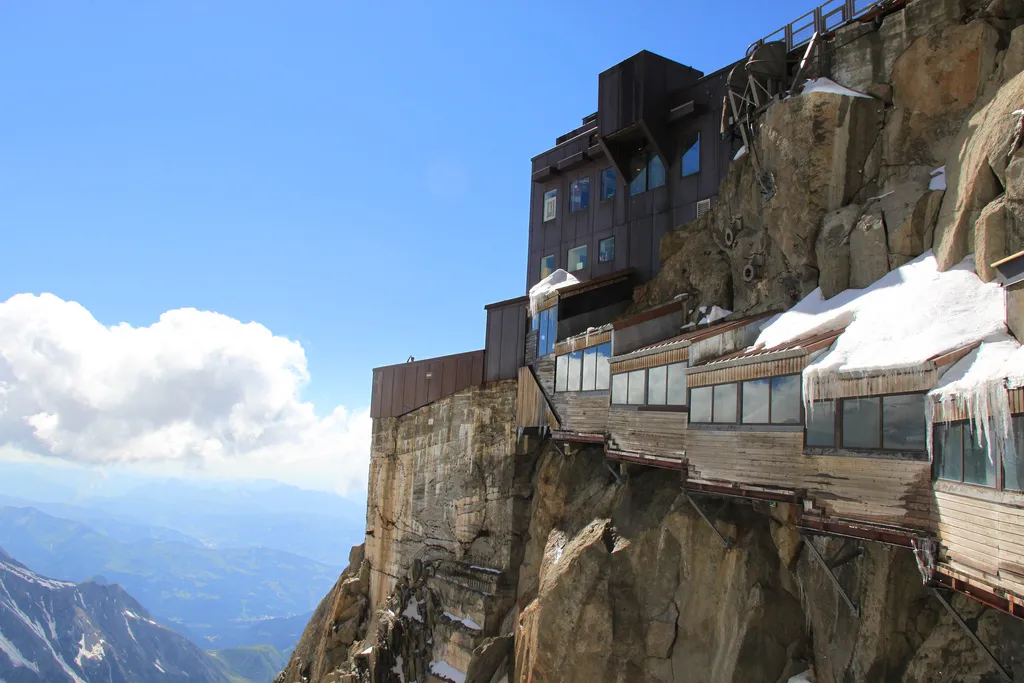
France is the most popular tourist destinations in the world. According to the UNWTO, 79.5 million tourists arrived in France in 2011. From Paris and Versailles to the French Riviera and the Alps, France abounds in tourist attractions. For Britishers, France has been the traditional destination for skiing holidays. Each year, millions of British tourists […]
