France is a country of remarkable diversity, and the contrast between its northern and southern regions is one of the most striking anywhere in Europe. The decision between a holiday in northern France and a holiday in southern France is a choice between two distinct cultures, climates, and landscapes. North France offers the drama of the Atlantic coast, the historic cities of Normandy and Brittany, and the easy access to Paris. South France offers the Mediterranean climate, the glamour of the Riviera, and the rustic charm of Provence. Understanding the differences between the two regions is the key to choosing the French holiday that is right for you.
\n\n
In This Article
The Climate and the Coastline
\n
The most obvious difference between north and south France is the climate. The south enjoys a Mediterranean climate with hot, dry summers and mild winters, with the sun shining for over 300 days a year in Provence. The coast of the Mediterranean, from the Camargue to the Italian border, offers warm sea temperatures from June to October, sandy beaches, and a relaxed seaside atmosphere that is the essence of the French summer holiday. The north of France has a more temperate maritime climate, with cooler summers and more rainfall throughout the year. The Atlantic coast, from Brittany down to the Basque Country, offers a different kind of beach experience, with dramatic cliffs, long sandy beaches, and a more rugged coastline that is better suited to walking, surfing, and wind sports. The water temperature on the Atlantic coast is cooler than the Mediterranean, rarely exceeding 20 degrees Celsius even in August.
\n\n
The Culture and the Cuisine
\n
The cultural divide between north and south France is significant. The north, particularly Normandy and Brittany, has a Celtic heritage that is reflected in its language, its music, and its food. The cuisine of the north is based on butter, cream, and apples, with dishes such as moules marinières, mussels cooked in white wine and cream, and the famous galettes, buckwheat pancakes filled with ham, cheese, and eggs. The south of France, particularly Provence and the Côte d’Azur, has been influenced by its proximity to Italy and the Mediterranean. The cuisine of the south is based on olive oil, garlic, tomatoes, and herbs, with dishes such as bouillabaisse, a fish stew from Marseille, and ratatouille, a vegetable stew that is the essence of Provençal cooking. The pace of life is slower in the south, with the tradition of the long lunch and the afternoon siesta still widely observed.
\n\n
Choosing the Right Destination for Your Holiday
\n
The choice between north and south France depends on what you want from your holiday. If you are looking for guaranteed sunshine, warm sea temperatures, and a relaxed, unhurried pace of life, the south of France is the obvious choice. The south is ideal for families who want to spend their days on the beach and their evenings eating outdoors in the long summer twilight. If you prefer cooler temperatures, dramatic coastal scenery, and a more active holiday based on walking, cycling, and water sports, the north of France offers better conditions for these activities. The north is also easier to reach from the UK, with the Eurostar and ferry services providing quick and convenient access. For a first visit to France, a split holiday that combines a few days in each region offers the best of both worlds, with the fast TGV train service connecting Paris to Marseille in just over three hours. The budget for a holiday in the north is generally lower than the south, with accommodation and dining in regions such as Normandy and Brittany offering better value than the Côte d’Azur.
\n\n
Have you experienced both the north and south of France and formed your own opinion on which region offers the better holiday? Which side of France do you prefer and why?
\n\n\n\n
\n \n
When travelling to France for holidays, it is worth thinking about weather you would prefer Northern or Southern France. While both regions have broad similarities, there are some key differences that need to be considered before booking a trip. These differences can range from basic issues like convenience and travel time, to more specific cultural and climate differences that can make for varied experiences. It is also worth thinking about what destination would be best for families, as well as weather you want to use France as the starting point for visiting other parts of Europe. The key factors used to differentiate between Northern and Southern France are expanded upon below:
\n

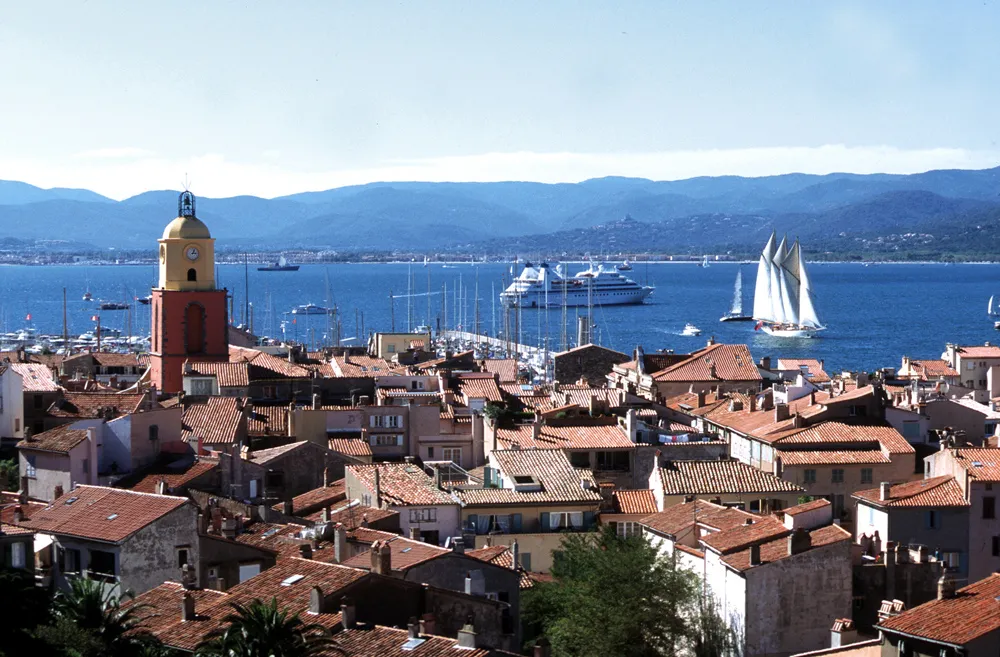
\nSaint-Tropez, France by Zoé de Saint-Tropez
\n
1 – Convenience
\n
If travelling from the UK, you can reach Calais and Le Havre in a few short hours or less. By comparison, a trip to the South of France can involve a longer flight, and day or two of driving. In this way, the North of France is recommended for people that want a quicker getaway, or don’t want to have to transport young children on a long journey.
\n
2 – Cities
\n
There are many excellent cities in both the North and the South of France. The North’s distinction comes through it being the location of Paris. However, travels to the South can take in the similarly large, if not quite as diverse, cities of Nice and Marseille along the French Riviera. Travellers going to the South West of France can also enjoy the historic city of Bordeaux.
\n
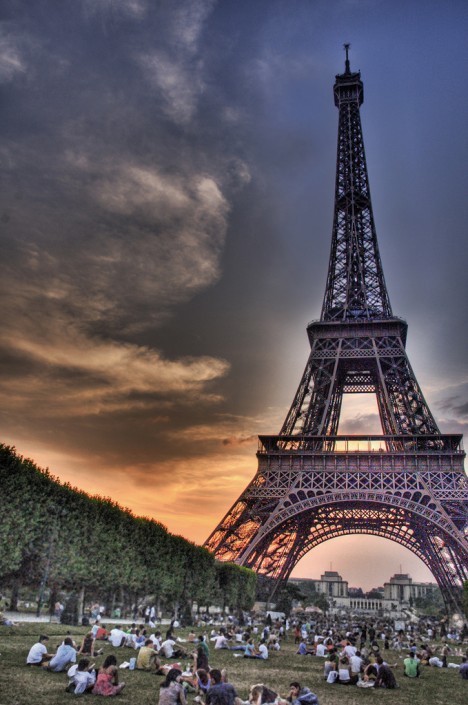
\nEiffel Tower, Paris, France by Trey Ratcliff
\n
3 – temperature
\n
Those wanting to enjoy the sun and the beach are probably better off heading south than trying the climate of the Northern part of France, which is broadly similar to the UK. The South’s Mediterranean climate is much hotter, and features many more sandy beaches. Marseille and Nice are particularly popular for tourists. Visitors to the South and France’s Eastern border with Switzerland can also enjoy the sun and the skiing opportunities of the French Alps.
\n
4 – Cultural Differences
\n
While there are no major differences in terms of language and shared culture between the North and the South of France, there are a few contrasts that should be taken into consideration. The South of France is generally more tourist driven, and most French people will travel to it as part of their own holidays. The pace of life in the South is also slower and more relaxed in the larger cities and resorts. Cities like Monte Carlo are more expensive than the towns of the North. Food in the South is similarly more Mediterranean in terms of the use of spices and local fish delicacies.
\n

\nMarseille, Provence-Alpes-Cote d’Azur, France by marcovdz
\n
5 – Travel Options
\n
Being based in the North or the South of France will create different opportunities for further travel. On the other hand, being based in the North means that you can easily travel onto Belgium and Germany, while also gaining access to the Netherlands. By contrast, a trip to the South of France creates the chance to travel to Switzerland and Germany via the Alps, as well as heading west to Spain and Portugal. The South of France is also a good base for journeys on to the North of Africa and parts of Greece.
\n
Conclusions
\n
Taken together, those wanting a short journey, and the opportunity to enjoy Paris and cooler temperatures should consider the North of France, while those after sun and beaches, and a more Mediterranean holiday, can head south. Again, however, there is no reason not to enjoy both during the course of a longer trip.
\n
Brought to you by the bloggers from Cheznous. Offering holidays in France.\n
