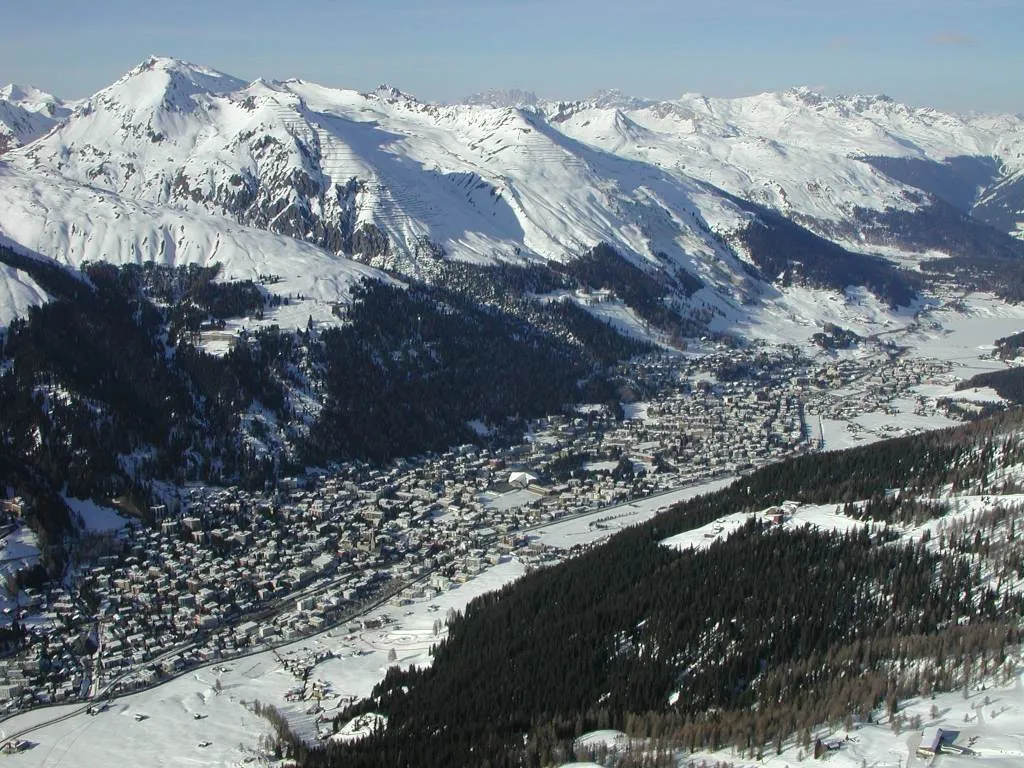
Imagine a journey where every stop brings a new taste, a new aroma, a new culinary revelation. Italy’s regions are defined by their cuisine, and a culinary road trip is the ultimate way to experience the country’s gastronomic soul.
In This Article
Start in Emilia-Romagna: The Food Valley
Begin your journey in Bologna, the culinary capital of Italy. This region is the heartland of Italian gastronomy, producing Parmigiano-Reggiano cheese, Prosciutto di Parma, and traditional balsamic vinegar from Modena. Visit a cheese factory to see how Parmigiano is made, tour a prosciutto curing house, and taste balsamic vinegar aged for decades. In Bologna, try the legendary tagliatelle al ragù and tortellini in brodo. The region’s dedication to food quality and tradition is unmatched anywhere in the world.
Head to Tuscany: Wine and Simple Perfection
Tuscany offers some of Italy’s most celebrated wines and a cuisine that celebrates simple, high-quality ingredients. The Chianti region is famous for its red wines, while Montalcino produces the prestigious Brunello. Visit vineyards for tastings and tours, and enjoy meals at rustic trattorias serving pappa al pomodoro, ribollita, and bistecca alla fiorentina. The rolling hills dotted with cypress trees provide a stunning backdrop for your culinary explorations. Stop in San Gimignano for its renowned saffron and Vernaccia wine.
Explore Rome and Lazio: Ancient Flavours
Rome’s culinary traditions are rooted in cucina povera, the cooking of the poor, which has produced some of Italy’s most beloved dishes. Try carbonara, cacio e pepe, amatriciana, and gricia at traditional trattorias. The city’s markets, such as Campo de’ Fiori and Testaccio, offer fresh produce and local specialities. Jewish-Roman cuisine is another highlight, with artichokes alla giudia and anchovy dishes that reflect the city’s diverse history. Rome is a city where every meal feels like an event.
Discover Naples and Campania: Pizza Paradise
No culinary road trip in Italy would be complete without visiting Naples, the birthplace of pizza. Here you will find the original Margherita, prepared with San Marzano tomatoes, mozzarella di bufala, and fresh basil in wood-fired ovens. Beyond pizza, Campania offers incredible seafood along the Amalfi Coast, limoncello from Sorrento, and pastries like sfogliatella and babà. The region’s volcanoes have created fertile soil that produces some of Italy’s finest tomatoes and citrus fruits.
Finish in Sicily: A Fusion of Flavours
Sicily’s cuisine reflects the island’s complex history, with influences from Greek, Arab, Norman, and Spanish cultures. Street food is a highlight, with arancini, panelle, and cannoli available from stalls in every city. The fish markets of Catania and Palermo are vibrant and colourful. Try pasta alla Norma, caponata, and fresh sardines. The island’s desserts are legendary, with cassata and granita providing sweet relief from the Mediterranean heat. Sicily is a fitting finale to an unforgettable culinary journey.
Stop in Piedmont: Truffles and Barolo
Piedmont, in northwestern Italy, is a region of refined gastronomy and some of the country’s most prestigious wines. The Langhe hills are famous for their truffles, particularly the prized white truffle of Alba, which appears in autumn and commands astronomical prices. The region’s cuisine is hearty and elegant, with dishes such as tajarin pasta with butter and sage, brasato al Barolo, and vitello tonnato reflecting the area’s French-influenced culinary traditions. The wine towns of Barolo and Barbaresco produce some of Italy’s most celebrated reds, and the cellars of medieval castles offer tastings against stunning backdrops. Turin, the regional capital, is home to the original espresso bars, fine chocolate makers, and the Lavazza coffee company. A visit to a family-run agriturismo in Piedmont provides an intimate look at the traditions that make this region a paradise for serious food lovers.
Visit Puglia: Olive Groves and Rustic Cuisine
Puglia, the heel of Italy’s boot, offers a completely different culinary landscape, shaped by its long coastline and agricultural traditions. The region produces more olive oil than any other in Italy, with ancient olive trees that are thousands of years old still bearing fruit. The cuisine is rustic and focused on simple, high-quality ingredients. Orecchiette pasta, shaped by hand, is typically served with cime di rapa or a simple tomato sauce. Fresh seafood dominates the coastal areas, with raw sea urchins, grilled octopus, and anchovies featuring prominently. The town of Altamura is famous for its traditional bread, a slow-fermented loaf with protected designation status. Burrata cheese, a creamy delight from Andria, is a must-taste. The trulli houses of Alberobello, the whitewashed streets of Ostuni, and the baroque architecture of Lecce provide stunning settings for meals that celebrate the region’s agricultural bounty.
Which region’s cuisine would you try first on your Italian road trip?
Explore all our Italy travel guides, from the Dolomites to Sicily.
Explore More
If you enjoyed this article, you might also like:
