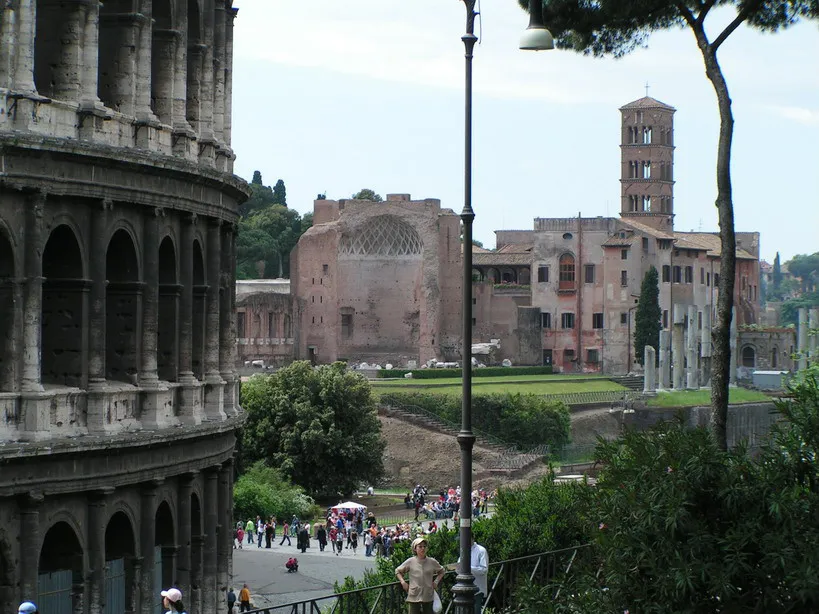
Rome rewards the prepared traveller. The Eternal City draws millions of visitors each year, and like any great global capital, it demands a measure of awareness. Pickpockets work the crowded metro and the queues outside the Colosseum. Selfie sticks and backpacks can become weapons in packed piazzas where space is at a premium. The sun beats down relentlessly in summer, and the ancient cobblestones punish thin-soled shoes after a full day of walking. Knowing where to keep your wallet, which buses run late, and how to spot a counterfeit taxi driver makes the difference between a stressful trip and a magical one. The secrets of navigating Rome safely are simple to learn and invaluable once you know them.
In This Article
Pickpocket Hotspots and How to Avoid Them
Pickpocketing is the most common problem tourists face in Rome, and the thieves operate with practised efficiency in predictable locations. The number 64 bus, which runs from Termini station to St Peter’s basilica, is the most notorious pickpocket route in the city. The crowded metro during rush hour, the queue for the Colosseum that stretches for 30 minutes in summer, the area immediately around the Trevi Fountain where crowds are packed shoulder to shoulder, and the Sistine Chapel inside the Vatican Museums where visitors look up instead of at their belongings are all prime hunting grounds. The technique is simple: one person distracts while another lifts the wallet. The distraction can be a push, a dropped map at your feet, a spilled drink, or a request for directions from a couple working together. Keep your wallet in a front pocket or a zipped bag worn across your body rather than slung over one shoulder. Do not keep your phone in your back pocket. Do not hang your handbag on the back of a chair at a restaurant, even for a moment. If someone invades your personal space, your hand goes to your pocket immediately as a reflex. The best prevention is a money belt worn under your clothing for larger amounts, with only the day’s cash in an easily accessible front pocket. Keep a photocopy of your passport separate from the original, and store a digital copy on your phone and in cloud storage.
Taxis, Public Transport, and Avoiding Transport Scams
Rome has two official taxi companies, Radio Taxi 063570 and Samarcanda 064994. Only use white or yellow cars with a “taxi” sign on the roof, a working meter, and an official licence plate starting with “TAXI.” Do not accept rides from drivers who approach you in the arrivals hall of Fiumicino or Ciampino airports. These unofficial drivers charge two to three times the official rate and have no regulated insurance. The fixed fare from Fiumicino to central Rome is EUR 48 for up to four passengers with luggage, set by the city government and clearly displayed on a sign at the official taxi rank outside the arrivals hall. Any driver who asks for more is overcharging you. The metro runs from 5:30 am to 11:30 pm daily, with extended hours until 1:30 am on Fridays and Saturdays. A single metro ticket costs EUR 1.50 and is valid for 100 minutes of travel with one metro entry and unlimited bus and tram transfers. Validate your ticket in the yellow machine at the entrance to the platform before boarding. Ticket inspectors patrol the network and issue fines of EUR 100 on the spot to passengers with unvalidated tickets, regardless of weather the ticket was purchased. The hop-on hop-off bus tours cost about EUR 25 per day and are convenient for first-time visitors who want an overview, but the regular public buses and trams cover the same routes for EUR 1.50 per journey.
Sun Safety, Cobblestones, and Emergency Contacts
Rome in July and August regularly hits 35 degrees Celsius with high humidity that makes the heat feel even more intense. The sun between midday and 3 pm is strong enough to cause heat exhaustion in under an hour, especially for visitors from northern climates. Carry at least one litre of water and refill it at the nasoni, the public water fountains that run constantly across the city. The water comes from ancient Roman aqueducts, is cold, clean, and completely free to drink. There are roughly 2,500 nasoni across Rome, identifiable by their distinctive curved metal spout. Wear comfortable walking shoes with thick rubber soles. The Roman cobblestones, known as sanpietrini, are uneven volcanic stone setts that have been in use since the 16th century. They are slippery when wet and unforgiving on feet after several hours of walking. Thin-soled trainers or fashion shoes leave your feet aching within two hours. The emergency number in Italy is 112 for police, ambulance, and fire services. The operators speak English. The British embassy on Via XX Settembre provides consular assistance for UK citizens, including emergency passport replacement. The tourist police, Polizia Turistica, patrol the main attractions including the Colosseum, Trevi Fountain, and Spanish Steps, and their officers speak English and are trained to assist with tourist-specific problems.
What is your best safety tip for travelling in big cities? 🛡️
Explore all our Italy travel guides, from the Dolomites to Sicily.
Explore More
If you enjoyed this article, you might also like:

Fantastic recommendations for Rome. We followed this advice on our last trip and it transformed our experience — we saw sides of the destination we would have completely missed otherwise. Can not recommend this guide enough.