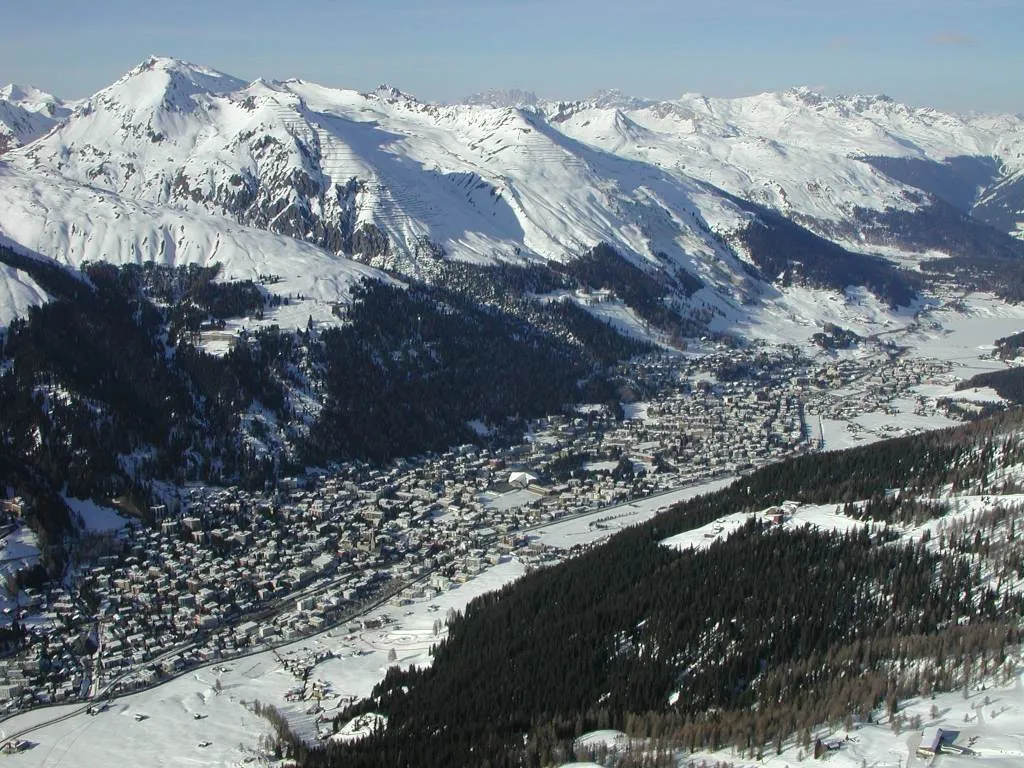
The aroma of espresso drifts across a Roman piazza as the evening light warms the ancient stone, and somewhere a scooter buzzes through a narrow alley that has been there since the time of Caesar. Italy is the most beautiful country in Europe. No country matches Italy for the density and variety of its cultural, historical, and natural riches. Five places only scratches the surface. You could make a list of fifty and still be leaving out essential experiences. But these five places represent the best of Italy: the art, the food, the landscape, and the unique Italian talent for turning daily life into an art form.
In This Article
Rome: The Eternal City, Layer Upon Layer
Rome is not a city to be conquered. It is a city to be surrendered to. The Colosseum and the Roman Forum are the obvious starting points, but Rome’s genius lies in its layers. Walk through the Forum and you are walking through the political heart of the ancient world. climb the Palatine Hill for a view across the ruins and imagine emperors building palaces on the same spot. The Pantheon, with its unreinforced concrete dome, is a miracle of engineering that still holds the record for the largest unreinforced concrete dome in the world. The Vatican, with St Peter’s basilica and the Sistine Chapel, contains the greatest concentration of artistic genius in a single space on Earth. Beyond the monuments, the neighbourhoods of Trastevere and Monti offer the real Rome: narrow streets, family run trattorias, and the evening ritual of the passeggiata. Rome overwhelms. Do not try to see it all in three days. Pick four or five things and leave time for the accidental discoveries, the church you stumbled into, the restaurant you found by following the smell of garlic.
Florence: The Renaissance in One City
Florence is smaller and more manageable than Rome, but its concentration of artistic masterpieces is unmatched. The Uffizi Gallery holds Botticelli’s Birth of Venus and Leonardo da Vinci’s Annunciation. Michelangelo’s David, at the Accademia, is the most famous sculpture in the world. The Duomo, with its terracotta dome designed by Brunelleschi, dominates the skyline. climb the 463 steps to the top for a panoramic view that takes in the hills of Fiesole and the river Arno winding through the city. The Ponte Vecchio, a medieval bridge lined with jewellery shops, is the most romantic spot in the city at sunset. The food in Florence is robust and satisfying. Bistecca alla Fiorentina, a thick T bone steak grilled over hot coals, is the signature dish. The wine bars of the Oltrarno district serve glasses of Chianti and plates of crostini for prices that will make you wish you lived here.
Venice: The Most Beautiful City Ever Built
Venice is impossible. It should not exist. A city built on wooden piles driven into a muddy lagoon, with canals instead of streets and boats instead of cars. St Mark’s Square, when it is not flooded, is the finest drawing room in Europe. The Doge’s Palace, with its pink and white marble facade, tells the story of the Venetian Republic, a maritime empire that lasted a thousand years. The Grand Canal is best experienced from the number 1 vaporetto, the water bus, which travels the full length of the canal for a fraction of the cost of a gondola. The quiet neighbourhoods of Cannaregio, Dorsoduro, and the Jewish Ghetto are where Venice reveals its real character. The crowds are thinner, the prices are lower, and the atmosphere is authentic. Venice is overcrowded, it is sinking, and it is incomparable. Visit in the off season, November to February, when the acqua alta flooding adds a surreal quality to the streets, and you will see Venice as it was meant to be seen.
The Amalfi Coast: Europe’s Most Beautiful Coastline
The Amalfi Coast is a dramatic stretch of coastline south of Naples where pastel coloured villages cling to cliffs that plunge into the turquoise Tyrrhenian Sea. Positano is the most famous, a cascade of pastel houses tumbling down to a pebble beach. Amalfi itself has a cathedral with an Arab Norman facade that testifies to the city’s history as a maritime republic. Ravello, perched high above the coast, offers gardens and villas with views that have inspired composers and writers for centuries. The Path of the Gods, a hiking trail that runs along the cliff tops from Positano to Praiano, offers views that justify the name. Drive the coastal road once for the experience, then park the car and use the ferries. The view from the water is the view you came for. The Amalfi Coast is expensive and crowded in summer. Visit in May or September for the best balance of weather and crowds.
Tuscany: The Landscape That Defined Beauty
Tuscany is more than a region. It is an ideal, a landscape that has defined the world’s idea of rural beauty for centuries. The Val d’Orcia, with its cypress lined roads, rolling hills, and hilltop villages, is the Tuscany of postcards and films. Montepulciano produces Vino Nobile, one of Italy’s finest red wines. Pienza, built as a Renaissance ideal city, offers a view across the valley that has changed little since the fifteenth century. Montalcino produces Brunello, the king of Tuscan wines. Rent a car and drive the SR2 from San Quirico d’Orcia to Montepulciano. It is one of the most beautiful drives in Europe. Stop at a farm shop for cheese, bread, and a bottle of wine. Find a spot with a view. Eat, drink, and watch the light change over the hills. This is Italy at its most essential, and it is perfect.
What is your Italy, Rome, Florence, Venice, the Amalfi Coast, Tuscany, or somewhere we have not mentioned?
Published in: Cities. Updated June 11 2026.
Explore all our Italy travel guides, from the Dolomites to Sicily.
Explore More
If you enjoyed this article, you might also like:
