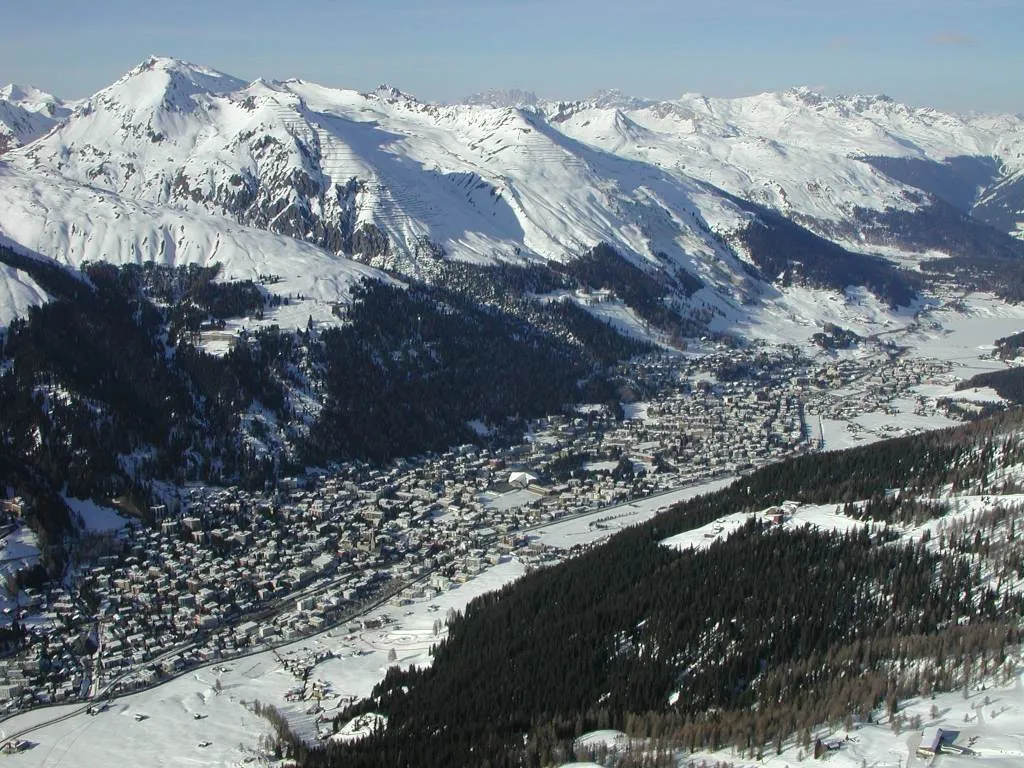
The mist rises from ancient fields as the first light touches the standing stones, and the call of a curlew carries across the valley, a sound that has echoed through these lands for thousands of years.
In This Article
The Ancient Heart: Stonehenge and Avebury
No tour of the United Kingdom would be complete without visiting its most iconic prehistoric monument, Stonehenge. Standing on the windswept Salisbury Plain, this 5,000-year-old circle of standing stones has fascinated and puzzled visitors for centuries. The scale of the monument is humbling: the largest stones weigh up to 40 tons and were transported from the Preseli Hills in Wales, 240 kilometers away, using technology that we still do not fully understand. The alignment of the stones with the solstices suggests sophisticated astronomical knowledge, and the site continues to be a place of pilgrimage for modern-day druids and spiritual seekers.
Just 30 kilometers north lies Avebury, a Neolithic henge monument that is in many ways even more impressive than its more famous neighbor. Avebury’s stone circle is the largest in Europe, enclosing an area of 11 hectares that contains part of the village of Avebury itself. Unlike Stonehenge, which is roped off and viewed from a distance, Avebury’s stones are freely accessible, and you can walk among them, touching the weathered sarsen rock and feeling the strange energy that generations have commented on. The nearby West Kennet Long Barrow and Silbury Hill, the largest man-made mound in Europe, add to the sense that this landscape is saturated with ancient meaning.
The Avebury Manor and Garden, owned by the National Trust, offers a contrasting glimpse into more recent history, with rooms decorated in period style from the Tudor, Georgian, and Victorian eras. The Alexander Keiller Museum, located within the site, houses an excellent collection of Neolithic artifacts and provides context for the monuments. A full day spent exploring both Stonehenge and Avebury, with a stop at the Red Lion pub in Avebury for a traditional English lunch, makes for an unforgettable immersion into Britain’s prehistoric past.
The Majesty of British Cathedrals
The United Kingdom is home to some of the most magnificent cathedrals in Christendom, and a tour through the sceptred isle must include at least a few of these architectural wonders. Canterbury Cathedral, the Mother Church of the Anglican Communion and a UNESCO World heritage site, has been a place of Christian worship for over 1,400 years. The cathedral’s stunning Perpendicular Gothic architecture, the beautiful stained glass windows depicting biblical stories and miracles, and the site of Thomas Becket’s martyrdom make it a place of profound historical and spiritual significance. The cathedral’s choir, which sings daily services, maintains a tradition of choral music that dates back to the Middle Ages.
Durham Cathedral, dramatically situated on a rocky promontory above the River Wear, is widely regarded as the finest example of Norman architecture in England. Its massive Romanesque columns, ribbed vaulted ceiling, and the shrine of St Cuthbert create an interior of overwhelming grandeur and peace. The cathedral’s position within the Durham University campus adds a vibrant youthful energy to the ancient stones, and the surrounding medieval streets of Durham city are a delight to explore. The Cathedral’s Open Treasure exhibition gives access to the monastic buildings and treasuries, including the cross of St Cuthbert and other priceless artifacts.
Salisbury Cathedral offers a different kind of marvel: the tallest church spire in Britain, rising 123 meters above the close. The cathedral was built in just 38 years, a remarkably short period for medieval construction, giving it a unified architectural style that is rare among English cathedrals. The Chapter House houses one of the four surviving original copies of Magna Carta, the 1215 charter that established the principle that everyone, including the king, was subject to the law. The cathedral’s cloisters, the largest in England, provide a peaceful space for contemplation, and the surrounding Cathedral Close is one of the most beautiful urban spaces in the country.
The Wild Landscapes of Scotland and Wales
The journey north into Scotland reveals landscapes of startling beauty. The Scottish Highlands, with their dramatic mountains, deep lochs, and expansive glens, offer some of the most spectacular scenery in Europe. Glen Coe, a glacial valley of towering peaks and dark corries, is perhaps the most dramatic of all, its brooding atmosphere shaped by both geology and the tragic history of the 1692 massacre. The drive through Glen Coe on the A82 is one of the great road journeys of Britain, with views that unfold around every corner, from the jagged ridges of the Aonach Eagach ridge to the serene waters of Loch Leven.
Further north, the Isle of Skye draws visitors with its otherworldly landscapes. The Old Man of Storr, a pinnacle of rock rising from a hillside of strange, jagged formations, is one of the most photographed locations in Scotland. The Fairy Pools, crystal-clear pools and waterfalls at the foot of the Black Cuillin mountains, offer a magical walking experience on a sunny day. The Quiraing, a landslip on the eastern face of the Trotternish Ridge, creates a landscape of grassy plateaus, vertical rock faces, and hidden lochans that feels more like another planet than the British Isles.
Wales, too, offers landscapes of profound beauty and wildness. Snowdonia National Park, centered on Wales’s highest mountain, Yr Wyddfa (Snowdon), is a region of razor-sharp ridges, deep valleys, and mirror-like lakes. The climb to the summit of Snowdon, via trails such as the Pyg Track or the Miners’ Track, is a rite of passage for British hikers, and the view from the top on a clear day extends to Ireland, the Isle of Man, and the Lake District. The smaller but equally beautiful Brecon Beacons and Pembrokeshire Coast National Parks offer gentler walking through rolling green hills and along dramatic coastal cliffs.
The Cultural Riches of London
London, the sceptred isle’s great capital, is a city of layers, where Roman walls stand beside Norman towers and medieval churches are surrounded by glass skyscrapers. A tour of London should include the Tower of London, where the Crown Jewels glitter in their fortress setting and the stories of prisoners, executions, and royal intrigue echo through the stone corridors. The Tower’s history as a royal palace, prison, armory, and zoo is unfolded by the Yeoman Warders in their distinctive Tudor uniforms, their tales combining historical fact with theatrical flair.
The British Museum offers an extraordinary journey through world history under one roof. The Rosetta Stone, the Elgin Marbles, the Sutton Hoo treasure, and the Egyptian mummies are just the most famous items in a collection that spans the entirety of human civilization. The museum’s Great Court, with its magnificent glass roof designed by Sir Norman Foster, is an architectural triumph in its own right, creating a covered public square at the heart of the museum. Free admission means you can visit for an hour or a day, leaving and returning as you wish.
Westminster Abbey, the coronation church and burial place of monarchs, poets, and scientists, is a living monument to British history. The abbey’s architecture spans the Gothic, Romanesque, and Perpendicular styles, and its interior is crowded with monuments, tombs, and memorials that tell the story of the nation. Poets’ Corner, with memorials to Chaucer, Shakespeare, Dickens, and Austen, is a pilgrimage site for literature lovers, while the Scientists’ Corner includes Isaac Newton, Charles Darwin, and Stephen Hawking. The view from the abbey’s triforium gallery, opened to the public in 2018, offers a unique perspective on the vast interior and its intricate stonework.
Which part of the United Kingdom would you most like to explore first?
Explore all our United Kingdom travel guides, from London landmarks to the Scottish Highlands.
Explore More
If you enjoyed this article, you might also like:
